13 Soccer Hairstyles That Will Dominate the Field
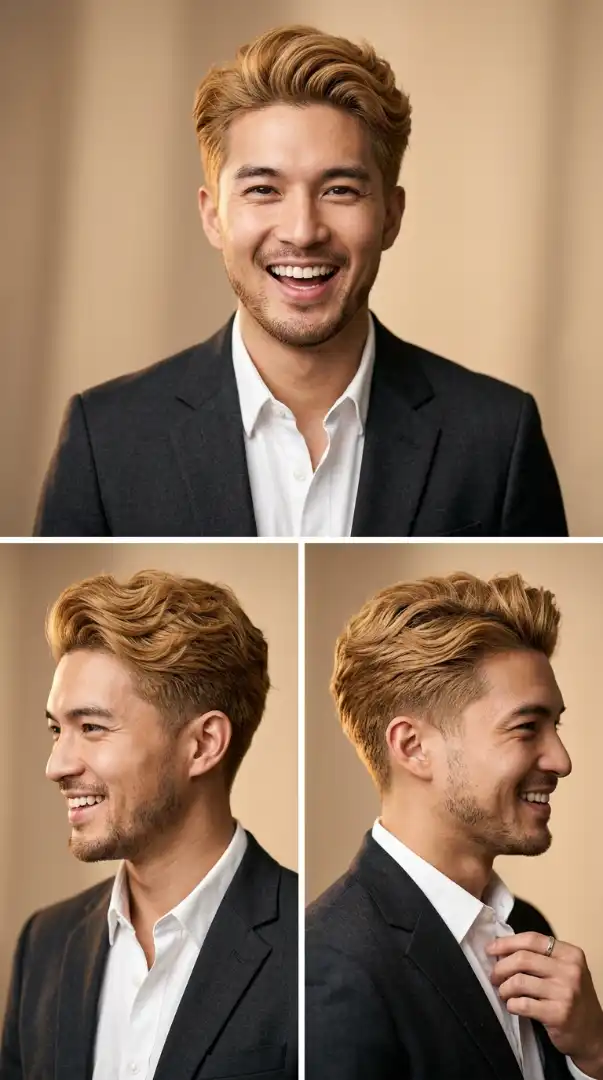
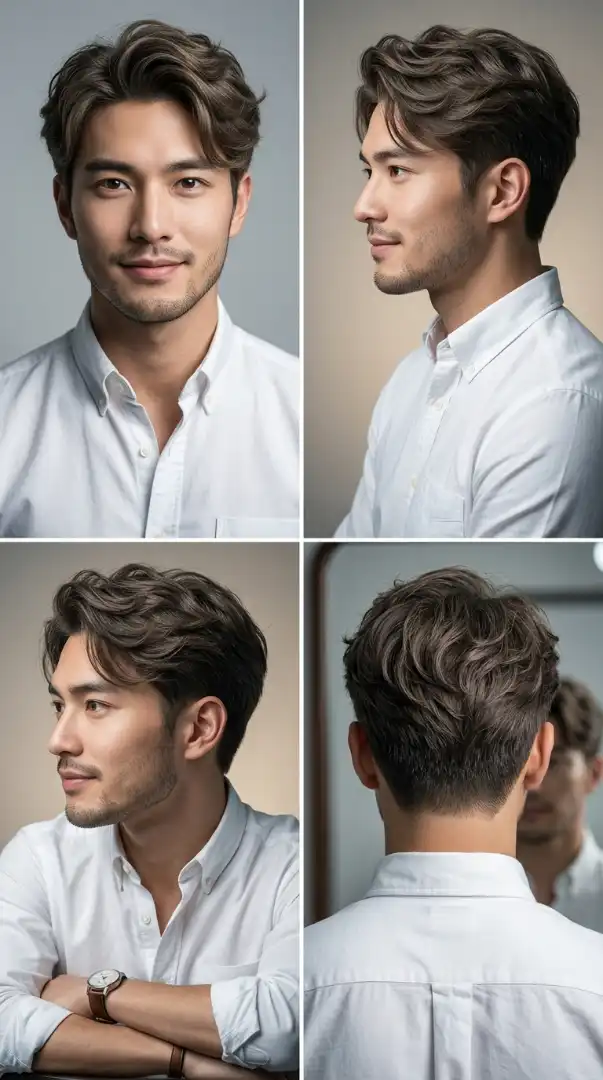
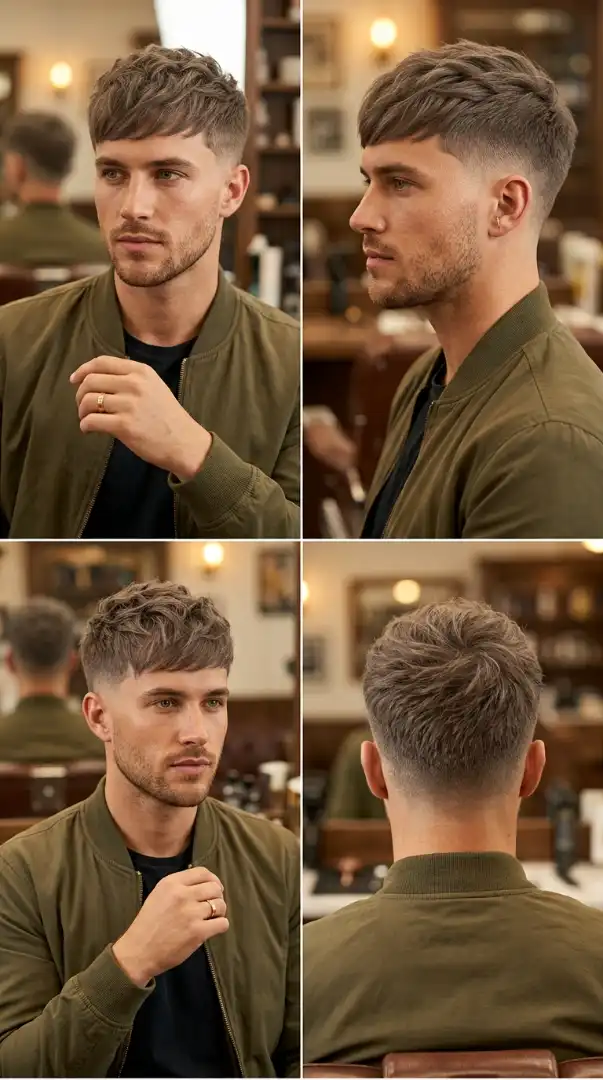
1 of 13 — The Free-Kick Fringe

The Free-Kick Fringe: Complete Style Guide
The Free-Kick Fringe takes the swept, textured top that dominates the pitch and turns it into an everyday statement cut. This soccer-inspired style pairs a diagonal fringe with tight, low-maintenance sides, giving you a look that reads athletic on match day and polished at the office.
Face Shape Match
The Free-Kick Fringe is built for oval and round face shapes. The diagonal sweep across the forehead breaks up horizontal width on a round face, while the soft volume at the crown adds vertical length that an oval face shows off beautifully. The forward fringe also softens a strong forehead, making it a smart pick for anyone who wants movement without an aggressive fade line.
Square faces can wear this cut too, but should ask for slightly more length at the sides to avoid amplifying an already angular jawline. Long or oblong faces should approach with caution — the added height at the crown can stretch the face further, so a flatter, side-swept version works better for that shape.
Grooming Kit Essentials
Clippers: Wahl Magic Clip (Model 5049-400) or Andis Master (Model 01557) for the low fade at the sides. Trimmer/Outliner: Andis T-Outliner (Model 04710) for a crisp edge along the hairline. Finishing Tools: Kent 81T fine-tooth comb for parting precision, Denman boar bristle brush for a polished finish. Styling Product: Layrite Original Pomade (medium hold) for natural movement, or American Crew Fiber (matte, high hold) for a grittier match-day texture. Maintenance: Honest Amish beard oil to keep the light stubble conditioned and soft.
Use a dime-sized amount of pomade worked through damp hair, then blow-dry the fringe forward and slightly to one side for the signature swept shape.
Maintenance Level: Medium
Barbershop visits every 3–4 weeks keep the low fade and fringe shape crisp. Daily styling takes about 5–7 minutes with a blow dryer and pomade. The cut grows out gracefully for about two weeks before the fringe starts to lose its swept shape and needs re-styling with product. Monthly maintenance, including one barber visit and a pomade tub that lasts roughly six weeks, runs around $35–$45. This is a beginner-friendly home maintenance cut — most of the daily work is styling, not cutting.
Barber Talk: The Exact Script
Say this to your barber: “I want a Free-Kick Fringe with a low skin fade starting about an inch above my ear. Take the top to 3 inches and leave enough length up front for a swept diagonal fringe. Use point cutting on the top for texture, not a blunt cut. Blend the fade from a guard #1 at the bottom up to a guard #4 near the parietal ridge. Keep my stubble at 3mm and taper it neatly into the sideburn. Finish with a clean, soft edge at the hairline — nothing too harsh.”
If the Free-Kick Fringe feels like a bit too much daily blow-drying for you, the next style trades the swept top for a buzzed, wash-and-go finish that still looks sharp from the sideline to the boardroom.
2 of 13 — The Pitch King Fade
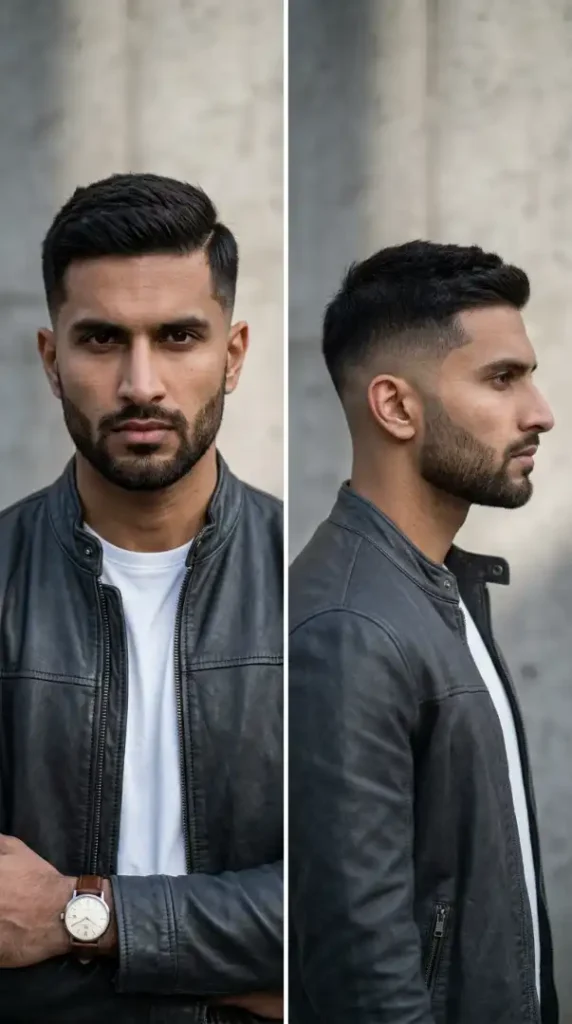
The Pitch King Fade: Complete Style Guide
The Pitch King Fade is the cut for guys who want the discipline of a skin fade with the texture and swagger of a footballer’s crop. Sharp on the sides, textured on top, this style holds its shape through ninety minutes of running and still looks sharp walking into a meeting the next day.
Face Shape Match
Square and diamond face shapes get the most out of the Pitch King Fade. The skin fade removes bulk from the sides, which keeps a strong square jaw from looking heavier, while the textured top adds enough height to soften sharp angles without hiding them. Diamond faces benefit from the way the crop narrows visual width at the temples, balancing a wider cheekbone.
Round faces should avoid a fade this tight paired with this much top texture, since the strong vertical-to-horizontal contrast can make the face look wider by comparison — a slightly higher fade with less top volume works better for that shape.
Grooming Kit Essentials
Clippers: Andis Master (Model 01557) or Wahl Magic Clip (Model 5049-400) for the skin fade. Trimmer/Outliner: Andis T-Outliner (Model 04710) for the sideburn-to-beard connection. Finishing Tools: Kent 81T comb for the side part, Denman boar bristle brush to distribute product evenly. Styling Product: American Crew Fiber (matte finish, high hold) for texture that holds through activity. Maintenance: Viking Revolution beard oil for the short beard.
A pea-sized amount of fiber worked through towel-dried hair gives the crop its natural, separated texture without shine.
Maintenance Level: High
This fade needs a barbershop touch-up every 2 weeks to keep the skin fade line sharp — it’s the fastest part of the cut to lose definition. The top can stretch to 5–6 weeks between full trims. Daily styling takes 5–8 minutes with fiber or clay. Monthly cost, factoring in two fade touch-ups plus a full cut, runs $50–$70. This is an intermediate home-maintenance cut; the skin fade itself is best left to a barber, though the top texture is easy to restyle at home.
Barber Talk: The Exact Script
Say this to your barber: “I want the Pitch King Fade — a skin fade starting right at the temple line. Take the top to guard #4, textured with point cutting so it has natural separation, not a blunt cut. Blend the fade from skin at the bottom to a guard #3 at the parietal ridge. Taper my beard into the fade at the sideburn, keeping the beard length around 4mm. Finish with a crisp lineup along the front hairline.”
Prefer something with even less daily upkeep? The next style drops the tight fade for a wash-and-go crop that still looks deliberate.
3 of 13 — The Midfield Maverick Quiff
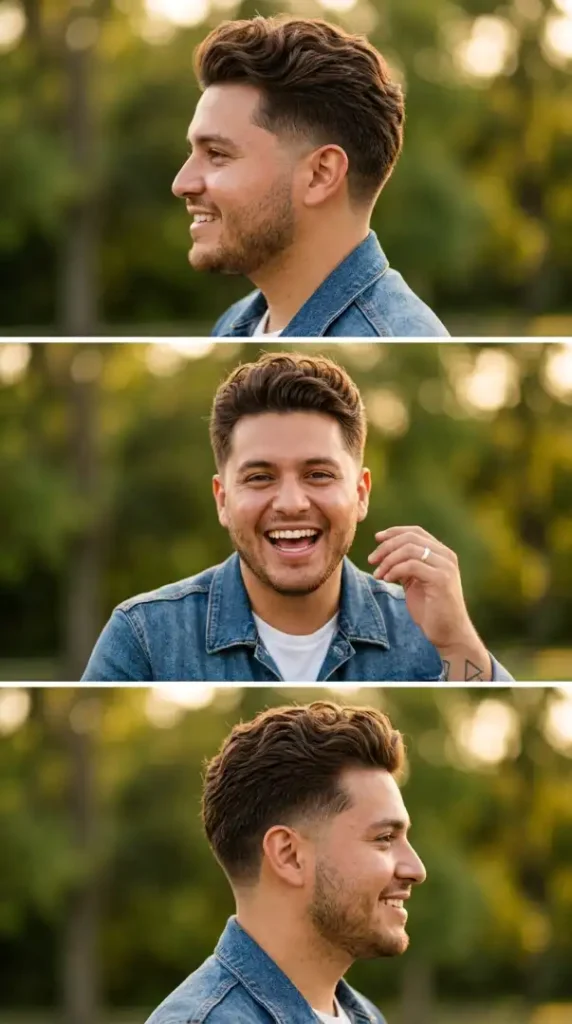
The Midfield Maverick Quiff: Complete Style Guide
The Midfield Maverick Quiff brings height and movement to the top while keeping the sides controlled with a clean taper fade. It’s the cut for players and fans alike who want a bit of flair without losing a sharp, put-together edge.
Face Shape Match
Round faces are the biggest winners with this style. The height and vertical lift of the quiff elongates the face, while the taper fade on the sides removes visual width, together correcting the natural roundness with a stronger, longer silhouette. Oval faces also wear it comfortably since there’s no shape being fought against.
Square and diamond faces should be more careful — the added top height can emphasize an already strong jawline or wide cheekbone, so a slightly lower, less dramatic quiff works better for those shapes.
Grooming Kit Essentials
Clippers: Wahl Magic Clip (Model 5049-400) for the taper fade. Trimmer/Outliner: Andis T-Outliner (Model 04710) for hairline cleanup. Finishing Tools: Denman boar bristle brush for root lift, Kent 81T comb for shaping the quiff. Styling Product: Layrite Original Pomade (medium hold) for movement, or a volumizing sea-salt spray before blow-drying for extra lift. Maintenance: Honest Amish beard oil for the light stubble.
Blow-dry the top upward and back using a round brush, then set with a dime-sized amount of pomade once fully dry.
Maintenance Level: Medium
Barbershop visits every 3 weeks keep the taper fade sharp. The top can go 5–6 weeks before losing enough length to affect the quiff’s height. Daily styling takes about 8–10 minutes, including blow-drying for lift. Monthly cost sits around $40–$55. This is an intermediate home-maintenance cut — the blow-dry technique takes some practice to get the height consistent.
Barber Talk: The Exact Script
Say this to your barber: “I’d like the Midfield Maverick Quiff — a taper fade starting just above the ear. Take the top to about 4 inches so there’s enough length to build height. Point-cut the top for texture and movement, not a blunt cut. Blend the fade from a guard #2 at the bottom to a guard #4 near the crown. Keep my stubble light and even, taper it neatly into the sideburn. Finish with a soft, rounded edge — not a harsh straight line.”
If you love the height here but want something faster to style day to day, the next style keeps the energy but trims the routine down to a few minutes.
4 of 13 — The Striker’s Edge Buzz
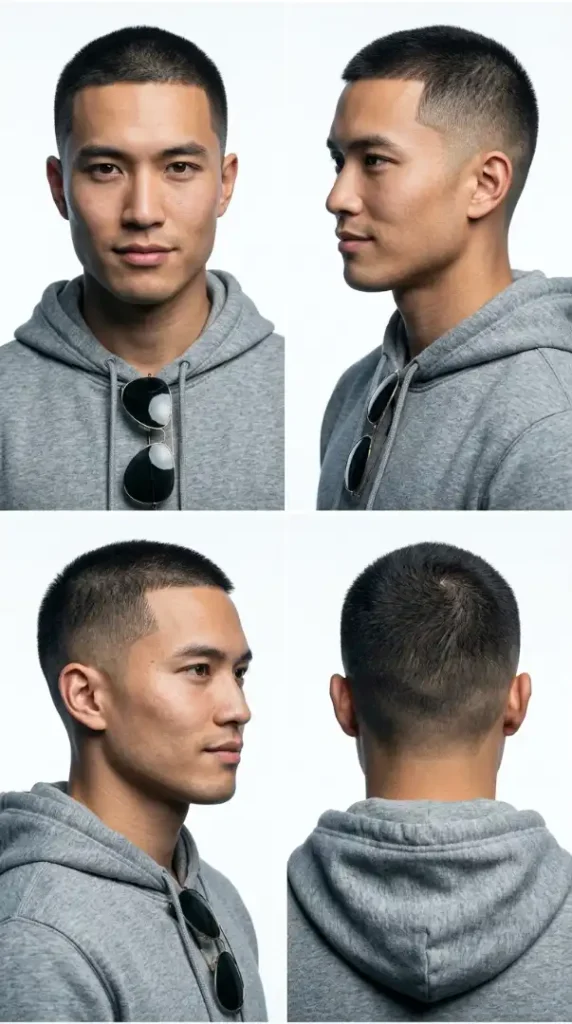
The Striker’s Edge Buzz: Complete Style Guide
The Striker’s Edge Buzz is the ultimate no-fuss soccer cut — uniform length on top, a sharp fade on the sides, and zero styling required. It’s built for guys who train hard, shower fast, and still want to look sharp walking out the door.
Face Shape Match
Oblong and long face shapes benefit most from the Striker’s Edge Buzz because the short, even length on top avoids adding any further vertical height, which keeps the face from looking stretched. The clean fade on the sides also brings visual width back in at the temples, balancing the longer face shape nicely.
Round faces should be cautious with a full buzz this short, since the lack of height on top can make the face appear even wider — a slightly longer guard length on top helps round faces get the benefits of this cut without the width trade-off.
Grooming Kit Essentials
Clippers: Andis Master (Model 01557) for the uniform buzz length, Wahl Magic Clip (Model 5049-400) as a backup for blending. Trimmer/Outliner: Andis T-Outliner (Model 04710) for the nape and hairline edge work. Finishing Tools: Denman boar bristle brush to check for even length distribution. Styling Product: none required daily; a light matte clay like American Crew Fiber can be used for special occasions. Maintenance: a basic aftershave balm to soothe the skin post-cut, since the fade sits close to the skin.
No product is needed for the everyday look — this is a true wash-and-go cut.
Maintenance Level: Low
This is the lowest-maintenance style in the list. Barbershop visits every 3–4 weeks keep the buzz uniform and the fade sharp. Daily styling takes 0–2 minutes — just a towel dry. There’s no real “grown out” awkward stage since the length is uniform throughout, though the fade line will soften after about 3 weeks. Monthly cost is the lowest of any style here, around $25–$35 for a single visit. This is a beginner-friendly cut for home upkeep between barber visits — a guard-length trim at home can extend the cut by another week or two.
Barber Talk: The Exact Script
Say this to your barber: “I want the Striker’s Edge Buzz — a skin fade starting at the temple. Take the top to a guard #2 all over, uniform length, no need for texturing or point cutting. Blend the fade from skin at the bottom up to a guard #2 to meet the top seamlessly. Keep everything clean-shaven with sharp, crisp edges. Finish with a tight lineup at the hairline and a square nape at the back.”
If a full buzz feels like too much of a change all at once, the next style keeps things low-maintenance but leaves a bit more length up top to ease into it.
5 of 13 — The Captain’s Crop

The Captain’s Crop: Complete Style Guide
The Captain’s Crop is a leadership cut — textured, tidy, and versatile enough to move from the training pitch to a formal dinner without missing a beat. It’s a favorite among team captains and coaches alike for its clean, no-nonsense structure.
Face Shape Match
Heart-shaped and oval faces suit the Captain’s Crop especially well. The textured top with a defined side part adds width visually at the crown, which balances a heart-shaped face’s narrower chin. The soft fringe resting above the brow also draws attention upward, away from a pointed jawline.
Round faces should ask for a slightly higher fade with the crop to avoid adding extra width at the sides, since a low, wide crop can emphasize roundness rather than counter it.
Grooming Kit Essentials
Clippers: Wahl Magic Clip (Model 5049-400) for the side blend. Trimmer/Outliner: Andis T-Outliner (Model 04710) for beard-to-hairline precision. Finishing Tools: Kent 81T fine-tooth comb for the side part, Denman boar bristle brush for polish. Styling Product: Layrite Original Pomade (medium hold) for a natural matte-to-slight-sheen finish. Maintenance: Viking Revolution beard oil, applied to condition the full beard.
Comb a dime-sized amount of pomade through damp hair from root to tip, then set the part with a fine-tooth comb.
Maintenance Level: Medium
Barbershop visits every 4 weeks keep the crop and beard shape consistent. Daily styling takes about 6–8 minutes, mostly for the part and beard grooming. The top can stretch a little past 4 weeks before the texture starts to lose its crisp definition. Monthly cost, including beard trims, runs around $45–$60. This is an intermediate home-maintenance cut, mainly due to the precision required for the beard line.
Barber Talk: The Exact Script
Say this to your barber: “I want the Captain’s Crop — a mid fade starting just above the ear. Take the top to about 2.5 inches, textured with point cutting for natural movement. Blend the fade from a guard #2 at the bottom to a guard #4 near the crown. Keep my beard full but shaped, about 8mm, with a sharp, clean line connecting into the sideburn. Finish with a natural, soft part on the left side.”
If you like this level of polish but want something a touch bolder for weekends, the next style takes a similar structure and adds sharper contrast.
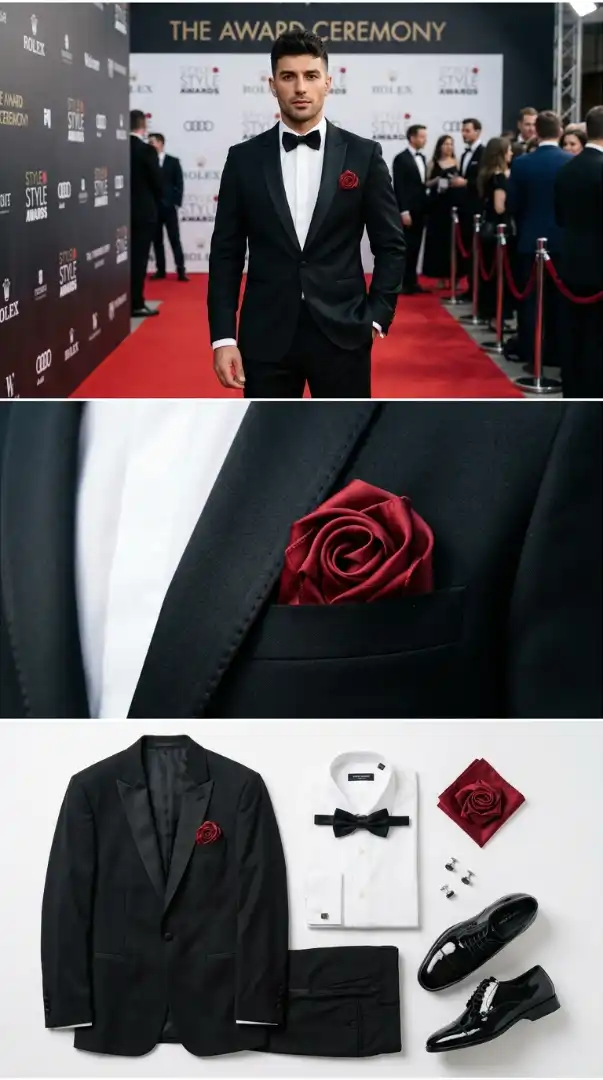
6 of 13 — The Golden Boot Pompadour
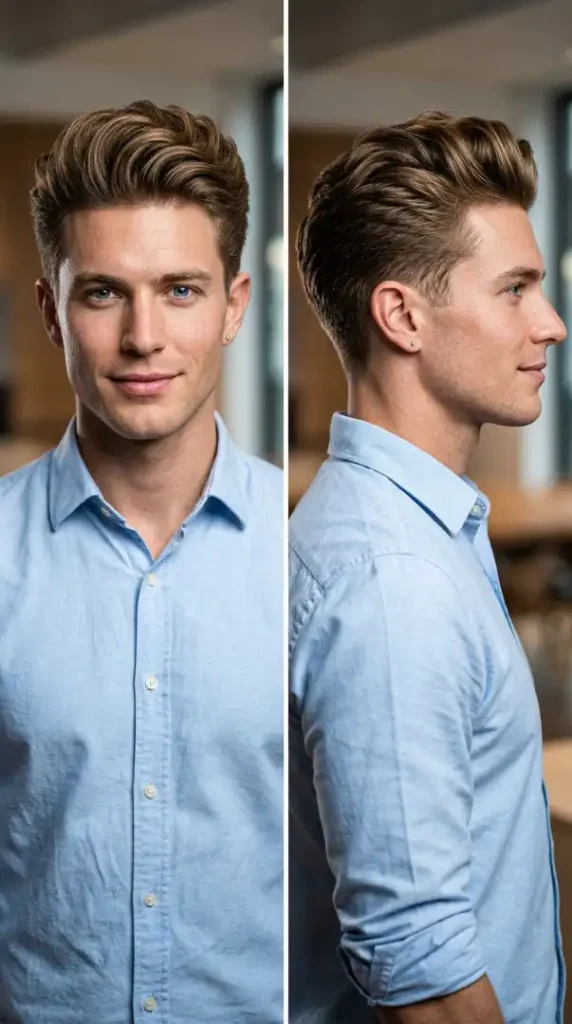
The Golden Boot Pompadour: Complete Style Guide
The Golden Boot Pompadour brings serious height and old-school glamour to a modern soccer-inspired cut. It’s a statement style for guys who want to stand out both on award night and at five-a-side.
Face Shape Match
Diamond and oval faces are the strongest matches. The height at the front balances a diamond face’s narrow forehead and chin against its wider cheekbones, creating a more proportional overall shape. Oval faces simply carry the height well without any shape correction needed.
Round and square faces should be careful with this much vertical volume, since it can exaggerate width by contrast — a smaller, more compact pomp with tighter sides is a safer version for those shapes.
Grooming Kit Essentials
Clippers: Andis Master (Model 01557) for the taper fade. Trimmer/Outliner: Andis T-Outliner (Model 04710) for hairline precision. Finishing Tools: Denman boar bristle brush for the root lift, wide-tooth comb for shaping the pomp. Styling Product: strong-hold pomade such as Layrite Original (medium-firm hold) or a matte clay for less shine. Maintenance: a light daily conditioner to keep wavy hair manageable before styling.
Blow-dry the front section straight up and back over a round brush, then set with pomade while still slightly warm for maximum hold.
Maintenance Level: High
This is one of the higher-effort cuts on the list. Barbershop visits every 3 weeks maintain the taper fade. Daily styling takes 10–12 minutes due to the blow-drying and precise shaping required. The pomp loses its height and structure noticeably after about 10 days without restyling. Monthly cost, including strong-hold product, runs $50–$65. This is an advanced home-maintenance style — the blow-dry technique has a real learning curve.
Barber Talk: The Exact Script
Say this to your barber: “I want the Golden Boot Pompadour — a taper fade starting above the ear. Take the top to 4–5 inches at the front to build real height, blunt cut at the very front for weight and hold, with point cutting through the rest for texture. Blend the fade from a guard #2 at the bottom to a guard #4 near the crown. Keep me clean-shaven with sharp, crisp edges. Finish with a defined, swept-back shape at the front.”
If the daily styling time here feels like a lot, the next style channels the same confident energy into something you can achieve in half the time.
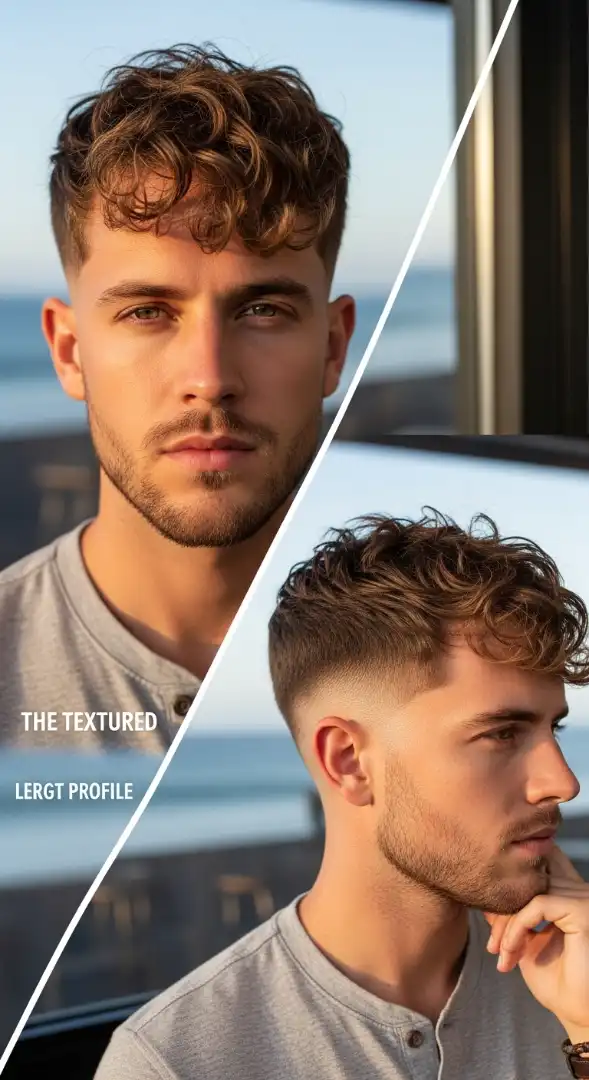
7 of 13 — The Wing Play Textured Crop
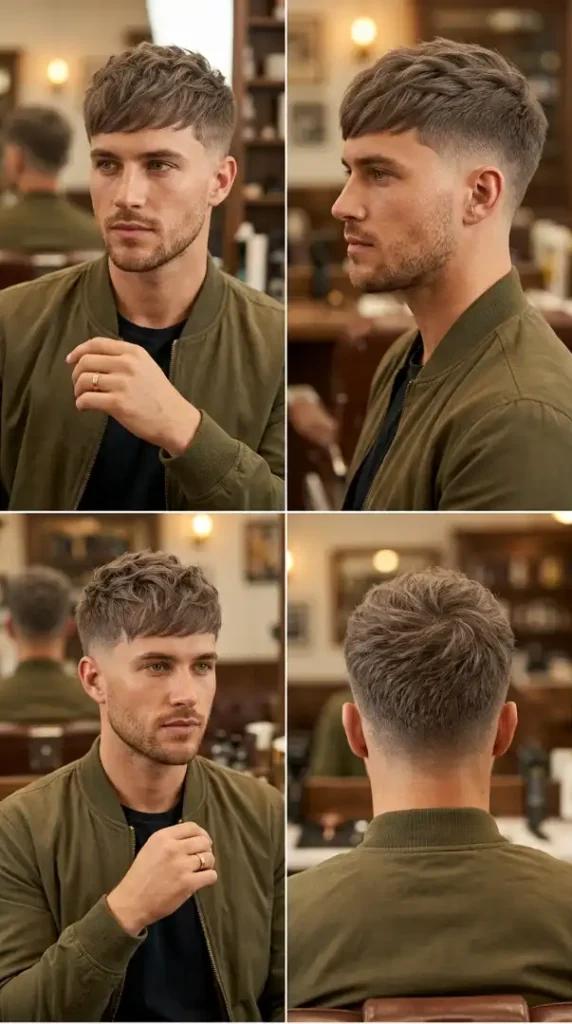
The Wing Play Textured Crop: Complete Style Guide
The Wing Play Textured Crop is a fast, agile cut built around a heavy fringe and clean taper — quick to style, easy to maintain, and versatile enough for both training days and nights out.
Face Shape Match
Oval faces suit this cut best since there’s no correction needed — the balanced fringe and taper simply frame already-even proportions. Round faces also do well here, as the side-pushed fringe breaks up horizontal symmetry and adds a diagonal line that slims the face visually.
Long or oblong faces should avoid a fringe this heavy at the front, since additional forward volume can draw the eye downward and make the face look even longer — a shorter, side-swept version is the safer choice.
Grooming Kit Essentials
Clippers: Wahl Magic Clip (Model 5049-400) for the taper fade. Trimmer/Outliner: Andis T-Outliner (Model 04710) for the nape and hairline. Finishing Tools: Kent 81T comb for directing the fringe, Denman boar bristle brush for texture distribution. Styling Product: matte clay such as American Crew Fiber for a natural, non-shiny texture. Maintenance: Honest Amish beard oil for the light stubble.
Work a pea-sized amount of clay through damp hair, pushing the fringe to one side by hand for a natural, undone finish.
Maintenance Level: Low
Barbershop visits every 3–4 weeks keep the taper and fringe shape. Daily styling takes just 3–5 minutes with clay. The cut grows out gracefully, with the fringe simply getting a bit longer and easier to push aside rather than losing its shape entirely. Monthly cost runs around $35–$45. This is a beginner-friendly cut for home maintenance — minimal technique required beyond applying product.
Barber Talk: The Exact Script
Say this to your barber: “I want the Wing Play Textured Crop — a taper fade starting just above the ear. Take the top to 3 inches with a heavy fringe at the front, point-cut throughout for natural texture, not blunt cut. Blend the fade from a guard #2 at the bottom to a guard #3 at the parietal ridge. Keep my stubble light and clean along the jawline. Finish with a rounded, natural nape at the back — not a hard square edge.”
If you like the low-maintenance approach here but want a bit more structure up top, the next style adds a bit more definition while keeping the routine short.
8 of 13 — The Number 9 Buzz Fade
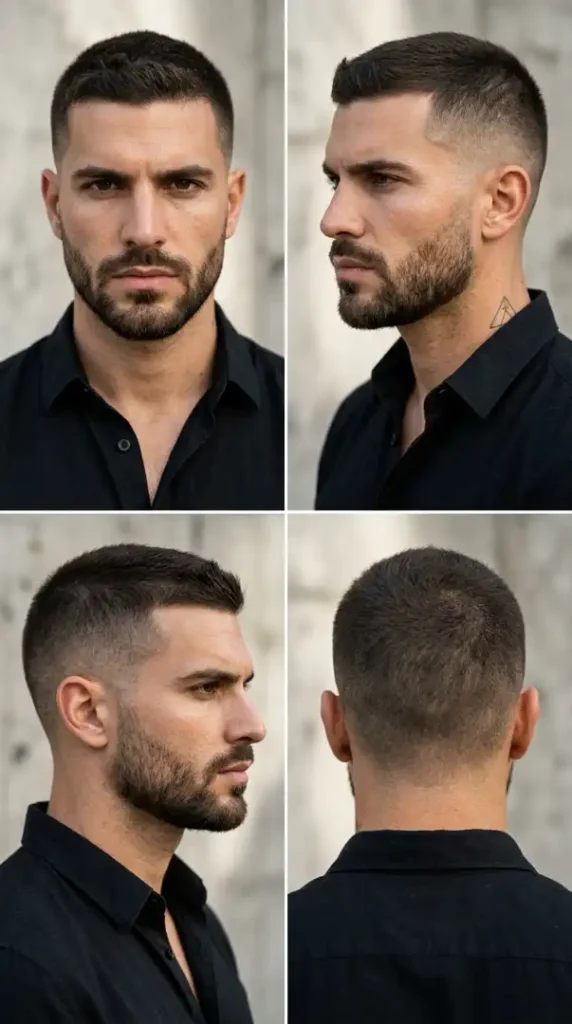
The Number 9 Buzz Fade: Complete Style Guide
The Number 9 Buzz Fade is built for pure speed and simplicity — a tight buzzed top that fades straight into the skin, finished with just enough front length to keep it from looking too plain. It’s a favorite for strikers who don’t have time for a styling routine.
Face Shape Match
Square and oval faces handle the Number 9 Buzz Fade best. On a square face, the tight sides remove bulk while the slightly longer front softens the jawline just enough without hiding its strength. Oval faces carry the uniform buzz with no correction needed, since there’s nothing to balance out.
Round faces should be cautious here — an all-over buzz this short with a tight fade can widen the face’s appearance, so adding a touch more length on top helps counteract that for rounder shapes.
Grooming Kit Essentials
Clippers: Andis Master (Model 01557) for the skin fade. Trimmer/Outliner: Andis T-Outliner (Model 04710) for the front hairline detail. Finishing Tools: Denman boar bristle brush to check even distribution across the buzzed top. Styling Product: a small amount of matte clay for the slightly longer front section, if any hold is desired. Maintenance: Viking Revolution beard oil for the short, sharp beard.
Most days this cut needs no product at all — just towel-dry and go.
Maintenance Level: Low
Barbershop visits every 2–3 weeks keep the skin fade sharp, since fades close to the skin lose definition faster than longer cuts. Daily styling takes 0–3 minutes. Monthly cost, factoring in the more frequent fade touch-ups, runs $40–$50. This is a beginner-friendly home-maintenance cut for the top length, though the skin fade itself is best kept with a barber for a clean result.
Barber Talk: The Exact Script
Say this to your barber: “I want the Number 9 Buzz Fade — a skin fade starting right at the temple. Take the top to a guard #3, with just a touch more length left at the very front for a slight fringe. Blend the fade from skin at the bottom to a guard #2 near the crown. Keep my beard short and sharp, around 3mm, tapered cleanly into the fade at the jaw. Finish with a crisp, square nape at the back.”
If you love this simplicity but want a bit more personality up top, the next style keeps things easy while adding a signature side part.
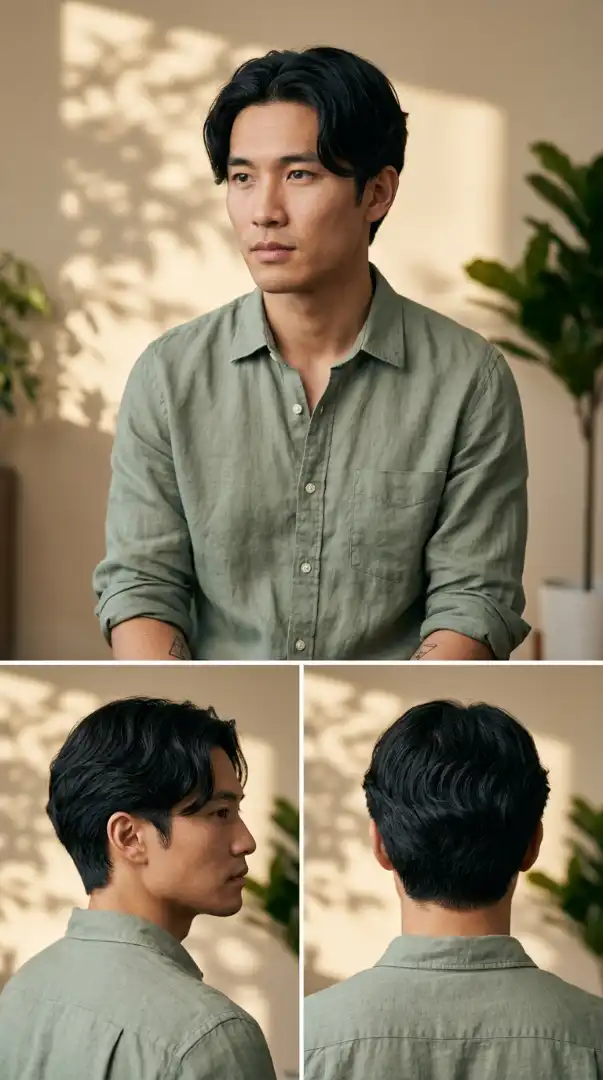
9 of 13 — The Tactical Taper

The Tactical Taper: Complete Style Guide
The Tactical Taper is the disciplined, low-key cut every squad needs — a subtle taper with just enough texture on top to look intentional without drawing too much attention. It’s the cut that works for literally any occasion.
Face Shape Match
Round faces benefit the most from the Tactical Taper’s side part, which breaks the symmetry of a round face and adds a diagonal line that creates the illusion of more angular structure. Oval faces also do well, since the low-key taper doesn’t need to correct anything.
Long or oblong faces should keep the top length on the shorter side with this cut, since more length combined with the side part’s height can stretch the face further than needed.
Grooming Kit Essentials
Clippers: Wahl Magic Clip (Model 5049-400) for the taper. Trimmer/Outliner: Andis T-Outliner (Model 04710) for the part line and hairline. Finishing Tools: Kent 81T fine-tooth comb for the part, Denman boar bristle brush for polish. Styling Product: a light-hold pomade or cream for natural movement without heavy shine. Maintenance: Honest Amish beard oil for the light stubble.
Use a small, pea-sized amount of light cream worked through damp hair, then comb the part into place.
Maintenance Level: Low
Barbershop visits every 4 weeks are enough since the taper is subtle and forgiving as it grows. Daily styling takes 3–4 minutes. The cut grows out slowly and gracefully, staying presentable for nearly a month. Monthly cost is one of the lowest here, around $30–$40. This is a very beginner-friendly cut for home upkeep between visits.
Barber Talk: The Exact Script
Say this to your barber: “I want the Tactical Taper — a low taper starting just above the ear, nothing too dramatic. Take the top to 2.5 inches with a natural side part, blended with scissors over comb for a soft finish rather than heavy texturing. Fade from a guard #3 at the bottom to a guard #5 near the crown. Keep my stubble light and clean. Finish with a soft, natural hairline — no hard lineup.”
If low-key isn’t quite bold enough for you, the next style takes the same clean foundation and adds a sharper, more editorial edge.
10 of 13 — The Set-Piece Specialist Fade
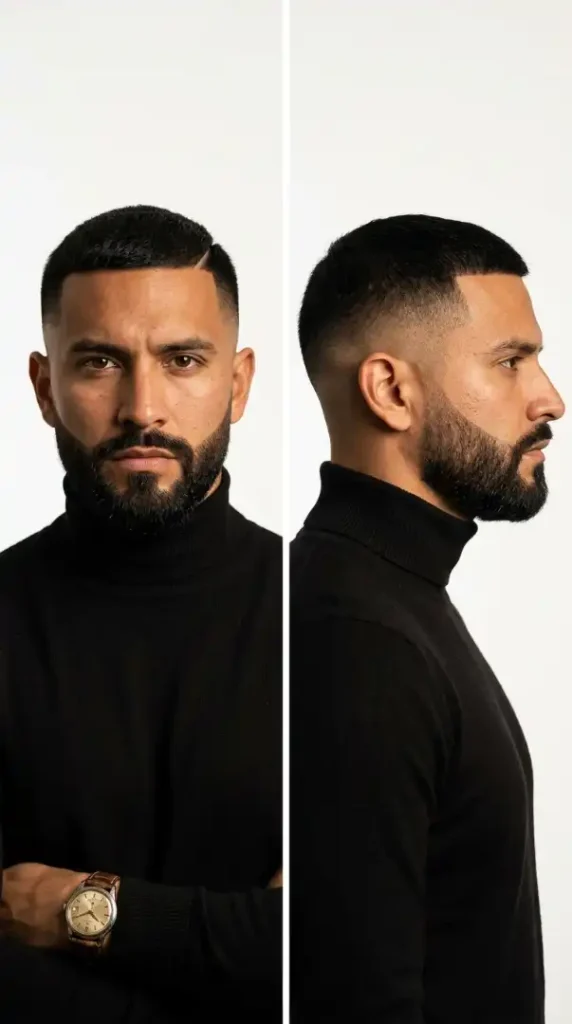
The Set-Piece Specialist Fade: Complete Style Guide
The Set-Piece Specialist Fade is a precision cut — short, dense, and deliberately low-volume on top to keep the focus on a sharp fade and a sharply lined beard. It’s built for guys with strong, angular faces who want maximum definition.
Face Shape Match
Oval and diamond faces work best with this cut, since the low top volume doesn’t add unnecessary length. Diamond faces especially benefit from the way the fade narrows at the temple, complementing already-prominent cheekbones.
Oblong and long faces should be cautious — the minimal top height paired with a tight fade can make the face look even longer, so a touch more length on top is recommended for that shape to add balance.
Grooming Kit Essentials
Clippers: Andis Master (Model 01557) for the skin fade. Trimmer/Outliner: Andis T-Outliner (Model 04710) for the sharp beard lines. Finishing Tools: Kent 81T comb for the hard part line, Denman boar bristle brush for even distribution. Styling Product: a light matte pomade for hold without added height. Maintenance: Viking Revolution beard oil for the full beard.
A small amount of light matte pomade keeps the short top controlled without adding lift.
Maintenance Level: Medium
Barbershop visits every 2–3 weeks keep the skin fade and beard line sharp. Daily styling takes just 4–5 minutes. Monthly cost, including beard line-ups, runs $45–$55. This is an intermediate home-maintenance cut — the beard lines require a steady hand, so many guys leave that part to the barber even between full cuts.
Barber Talk: The Exact Script
Say this to your barber: “I want the Set-Piece Specialist Fade — a skin fade starting at the temple line. Take the top to a guard #2, kept low-volume with a hard part on the left side. Blend the fade from skin to a guard #2 near the crown. Keep my beard full and sharply lined, about 10mm, with a crisp, straight connection into the fade at the jaw. Finish with a precise, straight-edge lineup at the front hairline.”
If precision is your thing but you want a bit more length to play with, the next style keeps the sharp edges while adding volume up top.
11 of 13 — The Box-to-Box Crop
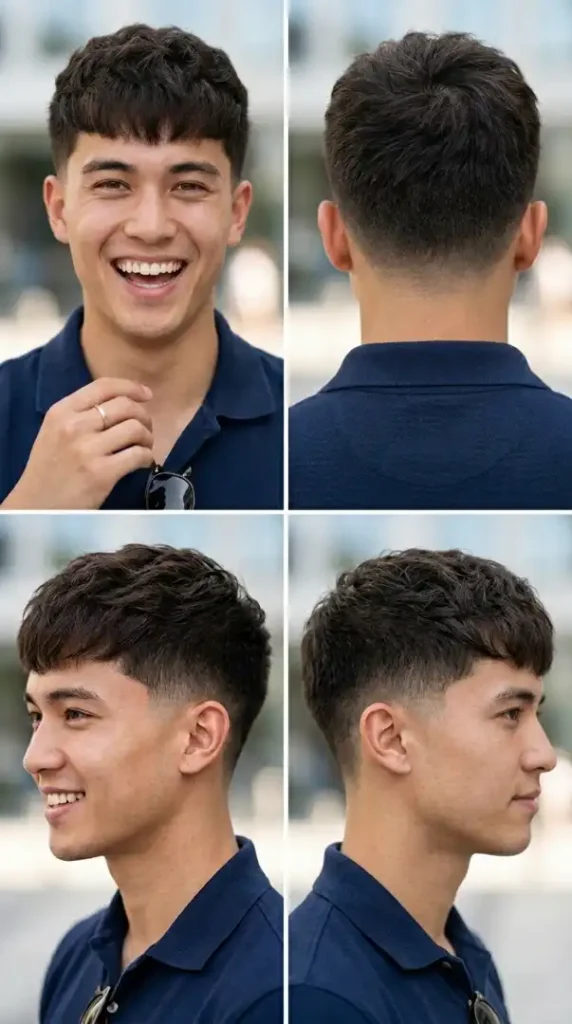
The Box-to-Box Crop: Complete Style Guide
The Box-to-Box Crop is an all-rounder — dense texture on top, a smooth taper on the sides, and enough versatility to suit nearly any face shape or hair type, just like the midfielder it’s named after.
Face Shape Match
Heart-shaped faces benefit from the crop’s even volume, which adds width at the crown to balance a narrower chin. Round faces also do well, since the textured, slightly raised top adds vertical interest that offsets natural width.
Square faces can wear this cut too, but should keep the fringe a touch longer to soften the jawline rather than emphasizing it with a very short, tight crop.
Grooming Kit Essentials
Clippers: Wahl Magic Clip (Model 5049-400) for the taper fade. Trimmer/Outliner: Andis T-Outliner (Model 04710) for the nape and hairline. Finishing Tools: Denman boar bristle brush for texture, Kent 81T comb for shaping the fringe. Styling Product: American Crew Fiber (matte, high hold) for all-day texture. Maintenance: a light daily facial moisturizer, since this look is typically worn clean-shaven.
Work a pea-sized amount of fiber through damp hair and scrunch upward for natural texture and volume.
Maintenance Level: Medium
Barbershop visits every 3–4 weeks maintain the taper fade. Daily styling takes about 5–6 minutes. Monthly cost runs around $35–$45. This is a beginner-to-intermediate home-maintenance cut — styling is straightforward, though the taper fade itself is best left to a barber.
Barber Talk: The Exact Script
Say this to your barber: “I want the Box-to-Box Crop — a taper fade starting above the ear. Take the top to 3 inches, dense and even throughout, point-cut for texture rather than blunt cut. Blend the fade from a guard #2 at the bottom to a guard #4 near the crown. I’d like to stay clean-shaven with crisp, defined edges. Finish with a soft, rounded nape at the back.”
If you like this all-rounder style but want something with a bit more edge for game day, the next style brings sharper contrast into the same reliable shape.
12 of 13 — The Extra Time Textured Fring
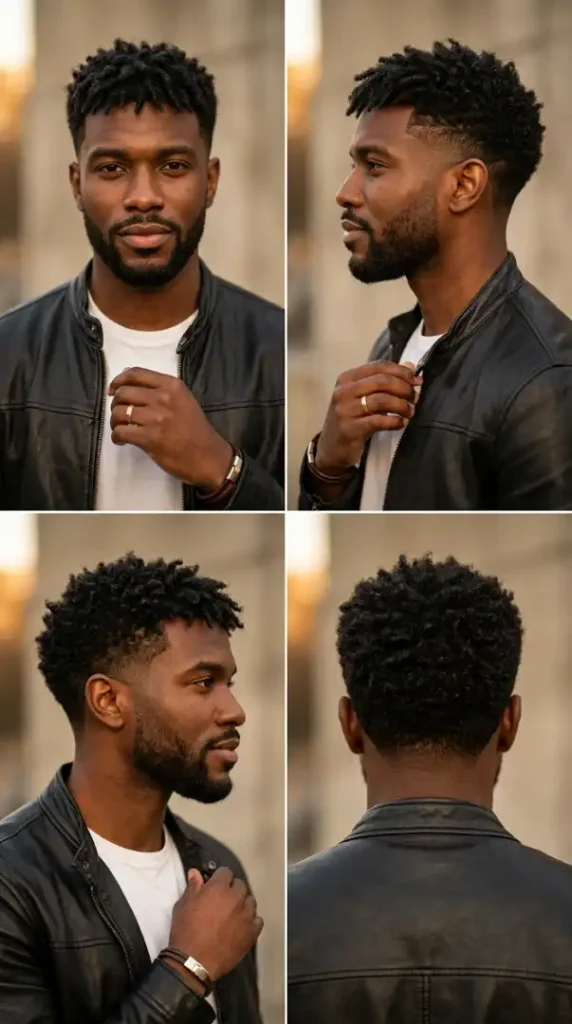
The Extra Time Textured Fringe: Complete Style Guide
The Extra Time Textured Fringe pairs dense, natural coily texture on top with a sharp temple fade for a cut that holds shape through a full match and still looks fresh after the final whistle.
Face Shape Match
Oval faces suit the Extra Time Textured Fringe naturally, since the balanced fringe and fade don’t need to correct any proportions. Round faces benefit from the forward-textured fringe, which breaks up horizontal width and adds a bit of visual height at the crown.
Long or oblong faces should ask for a shorter fringe length with this style, since too much forward volume can add unwanted length to an already elongated face.
Grooming Kit Essentials
Clippers: Andis Master (Model 01557) for the temple fade. Trimmer/Outliner: Andis T-Outliner (Model 04710) for hairline and beard precision. Finishing Tools: a wide-tooth detangling comb for the coily texture, boar bristle brush is optional depending on hair density. Styling Product: a curl-defining cream or twist-out custard to hold natural texture pattern definition. Maintenance: a leave-in conditioner to keep the coily texture moisturized between wash days.
Apply the curl cream to damp hair and allow it to air-dry or diffuse for natural pattern definition without frizz.
Maintenance Level: Medium
Barbershop visits every 2–3 weeks keep the temple fade sharp. Daily styling takes 5–7 minutes for product application and shaping. Monthly cost, including specialized curl products, runs $40–$55. This is an intermediate home-maintenance cut — knowing how to work with natural texture patterns takes a bit of practice.
Barber Talk: The Exact Script
Say this to your barber: “I want the Extra Time Textured Fringe — a temple fade starting at the hairline. Take the top to 2.5 inches, keeping the natural texture pattern intact rather than cutting against the grain. Blend the fade from a guard #2 at the bottom to a guard #4 near the crown. Keep my beard short and well-shaped, about 5mm, connected cleanly into the fade at the jaw. Finish with a natural, soft edge at the front hairline.”
If you like this natural-texture approach but want something even lower-maintenance for busy weeks, the last style on this list wraps things up with the most effortless option yet.
13 of 13 — The Champions Cut
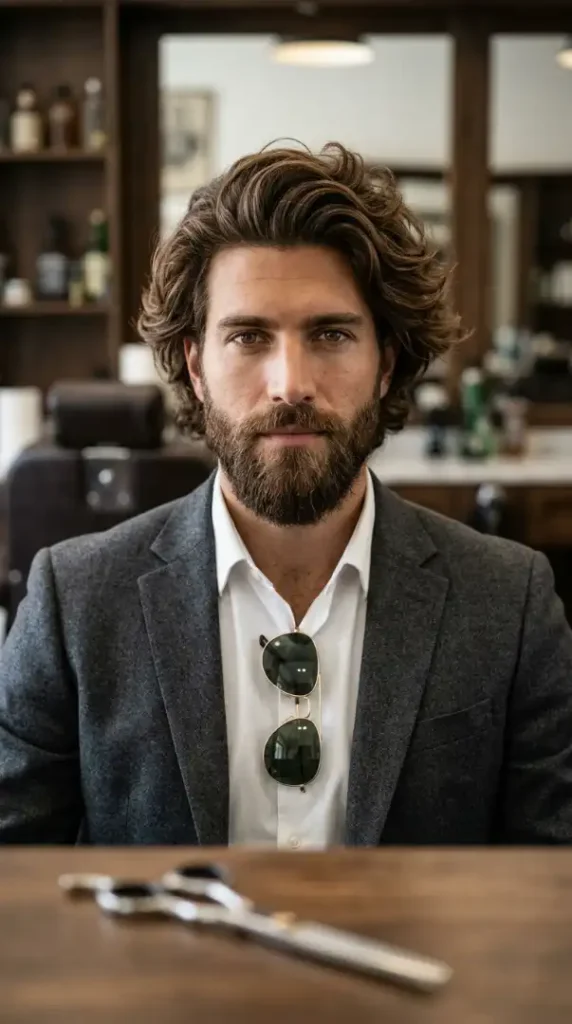
The Champions Cut: Complete Style Guide
The Champions Cut closes out the list as the most premium, trophy-ready style of the set — full wavy volume on top, tight tapered sides, and a well-groomed beard that reads confidence from every angle.
Face Shape Match
Square and oval faces both wear the Champions Cut exceptionally well. On a square face, the soft wavy volume up top balances the strong jawline without competing with it, while the tapered sides keep the overall silhouette controlled. Oval faces carry the volume with ease since no correction is needed.
Round faces should keep the sides tighter and the top volume more vertical than wide with this style, since a fuller, rounder wave pattern can add unwanted width to an already round face.
Grooming Kit Essentials
Clippers: Wahl Magic Clip (Model 5049-400) for the tapered sides. Trimmer/Outliner: Andis T-Outliner (Model 04710) for the beard and hairline detail. Finishing Tools: Denman boar bristle brush for root lift and wave definition, wide-tooth comb for detangling. Styling Product: a light sea-salt spray for natural wave texture, followed by Layrite Original Pomade (medium hold) to set. Maintenance: Viking Revolution beard oil for the full beard.
Scrunch sea-salt spray into damp hair, air-dry or diffuse partially, then finish with a small amount of pomade for hold and shine control.
Maintenance Level: Medium
Barbershop visits every 3–4 weeks keep the tapered sides and beard shape sharp. Daily styling takes 7–9 minutes for the full wave-and-set routine. Monthly cost, including beard maintenance, runs $45–$60. This is an intermediate home-maintenance cut — the wave texture is fairly forgiving, but the beard shaping benefits from a barber’s precision.
Barber Talk: The Exact Script
Say this to your barber: “I want the Champions Cut — a taper starting just above the ear. Take the top to 3.5 inches, keeping the natural wave and volume intact, point-cut for texture rather than blunt cut. Blend the fade from a guard #3 at the bottom to a guard #5 near the crown. Keep my beard full and well-shaped, about 8mm, with a clean connection into the sideburn. Finish with a natural, soft hairline — nothing too harsh.”
That wraps the full lineup — from the lowest-maintenance buzz to this trophy-ready finish, there’s a cut here for every position on the pitch and every day of the week.