MEN X STYLE
MEN,S GROOMING BERAD STYLES,
HAIRCUTS AND MEN FASHION THAT
REALLY WORKS.
From precision haircut inspiration and expert beard care to effortless fashion blueprints,
we cover every single detail of your daily routine. Step up your grooming game, refine your
personal aesthetic, and effortlessly master the standard of modern men’s style.
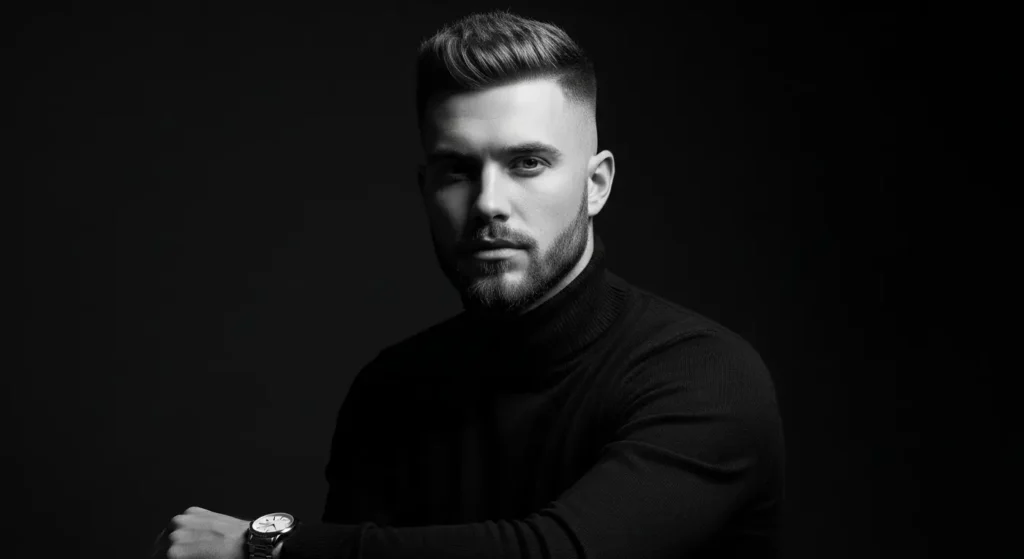
Men Hair Categories
Long Hair
Medium Hair
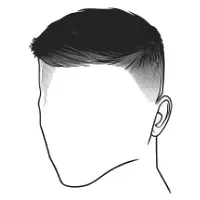
Short Hair
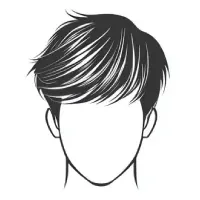
Straight Hair

Wavy Hair

Braids
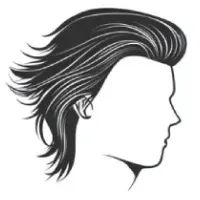
Mullet
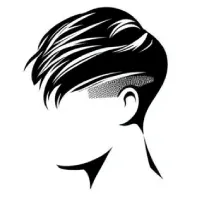
Taper Fade
Explore Men x Style
Find Exactly What Your Style Needs Today.
Navigate through curated look books featuring contemporary styles, meticulous grooming advice, and tailored attire options
designed for the modern gentleman.
BERAD STYLES
Discover immaculate facial hair blueprints, from sharp line-ups to full beard maintenance, designed to shape the perfect jawline.
HAIRCUTS
Find your next look with our detailed haircut blueprints, featuring everything from fresh, sharp fades to classic modern crops.
GROOMING
Master your daily routine with essential skincare, grooming habits, and personal care guides built to keep you looking sharp and refreshed.
EXPLORE MORE >
Start from here
These are some Guides to begin with
Start with these hand-picked MENXSTYLE blueprints if you want sharper beard aesthetics, stronger grooming habits,
smarter hair inspiration, and zero guesswork with your daily products.
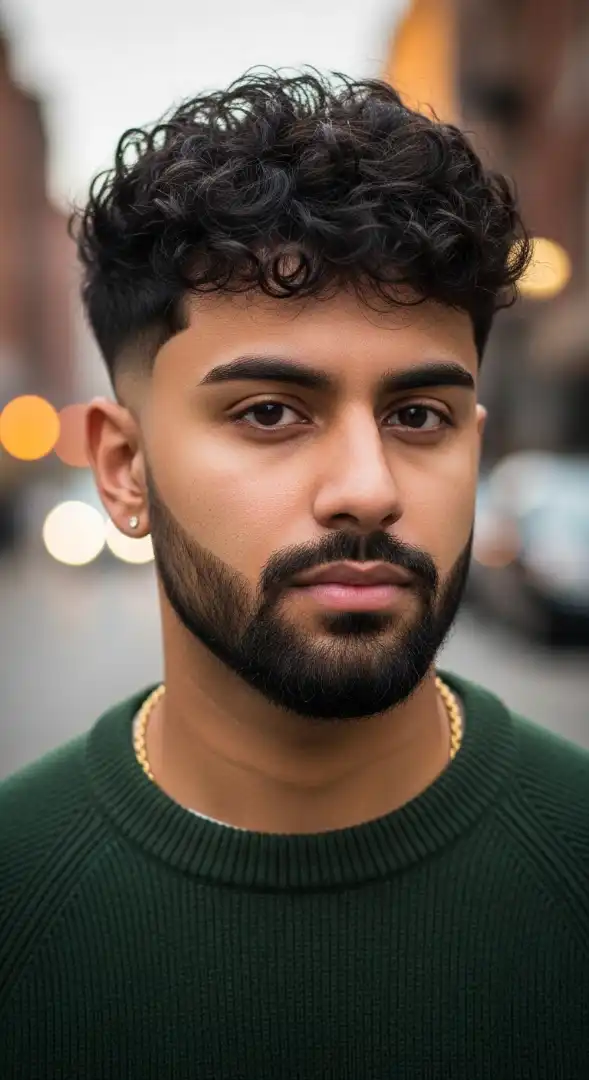

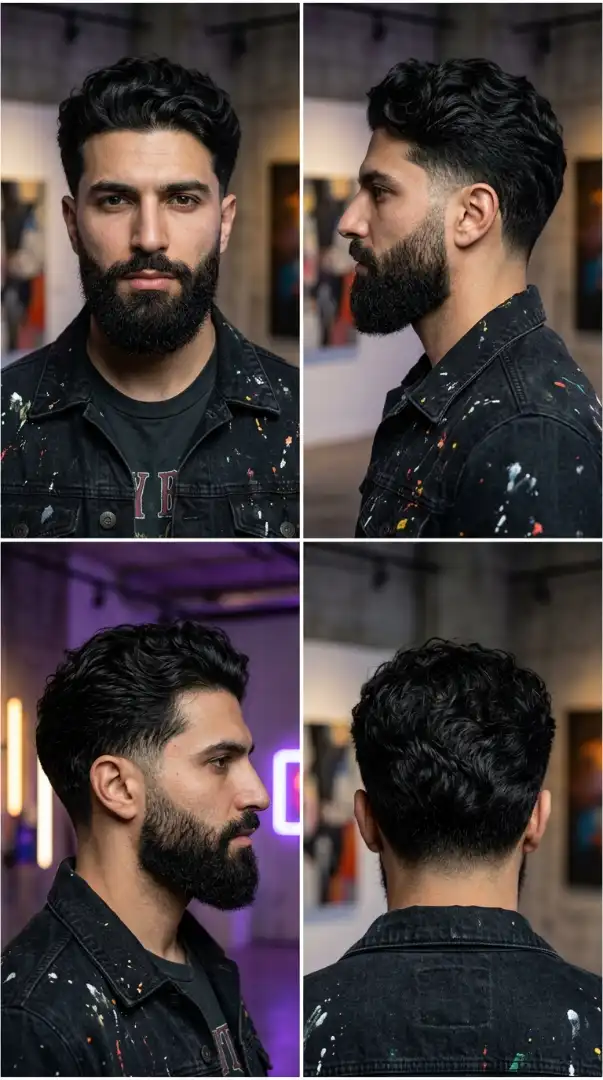
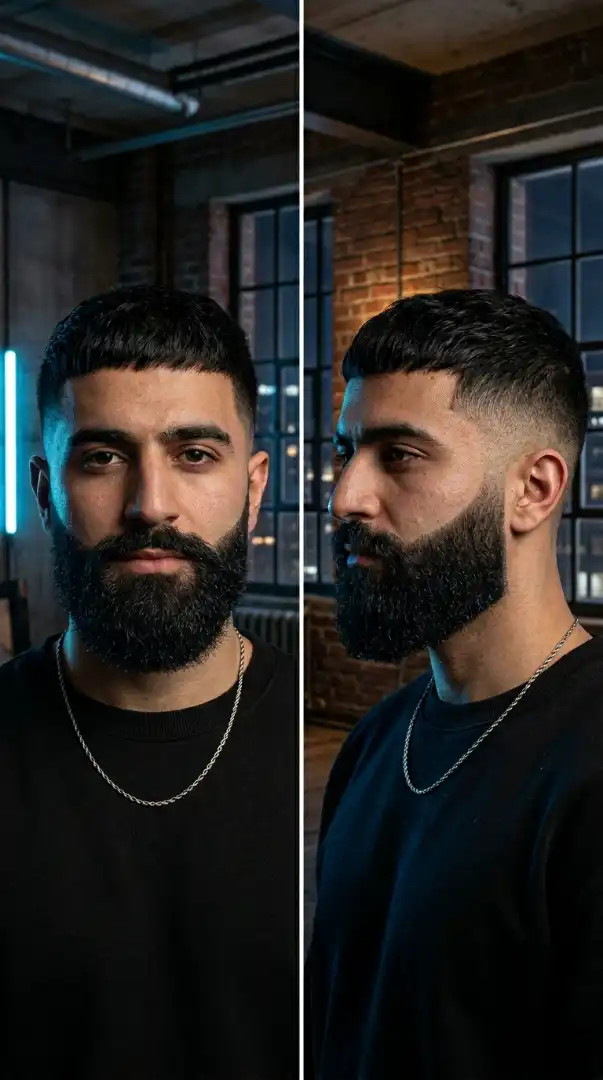

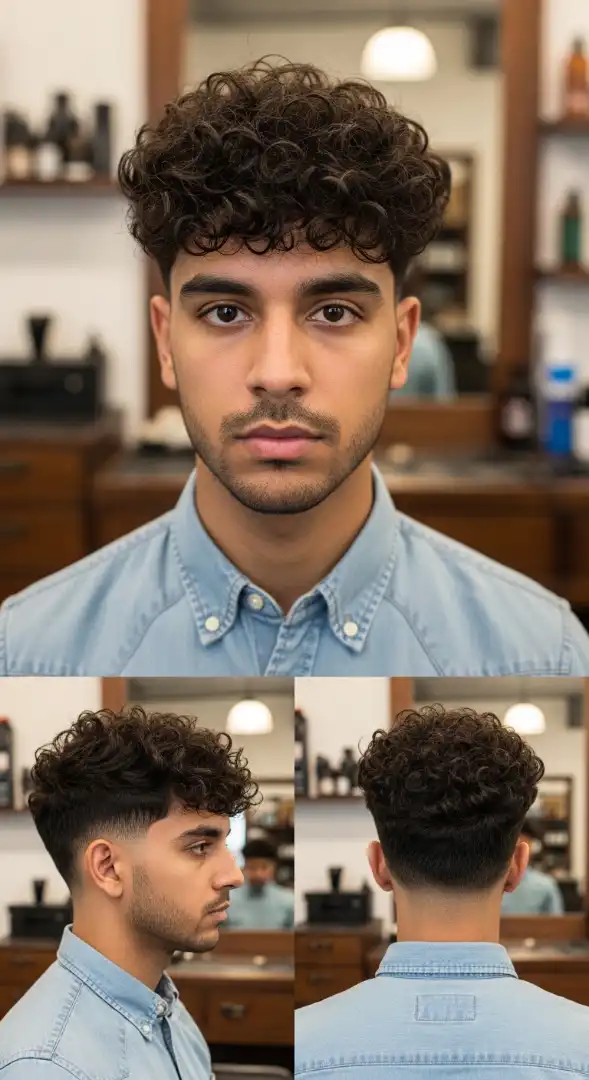



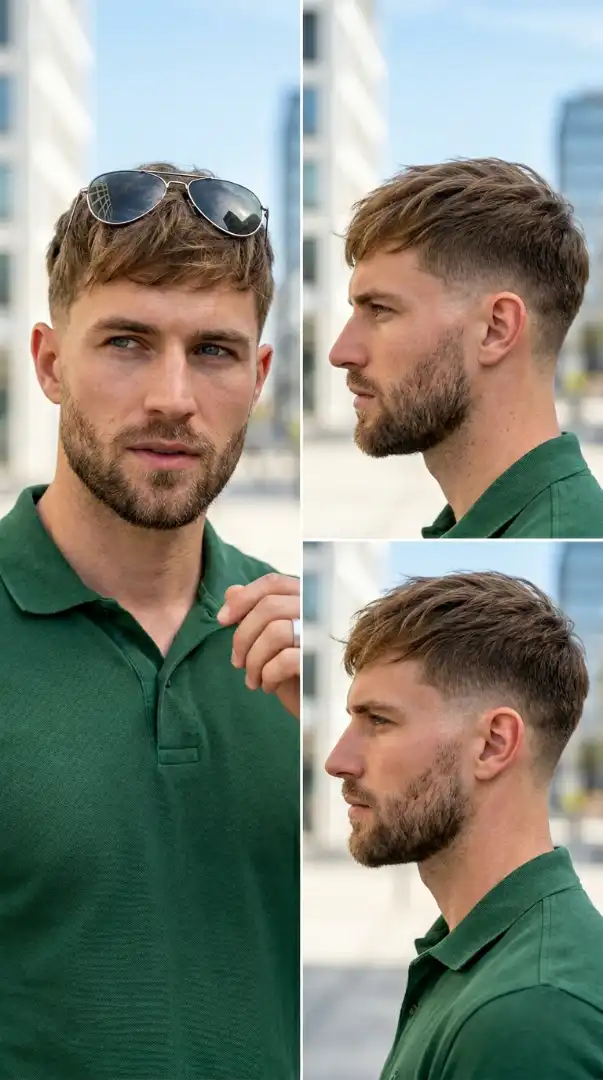
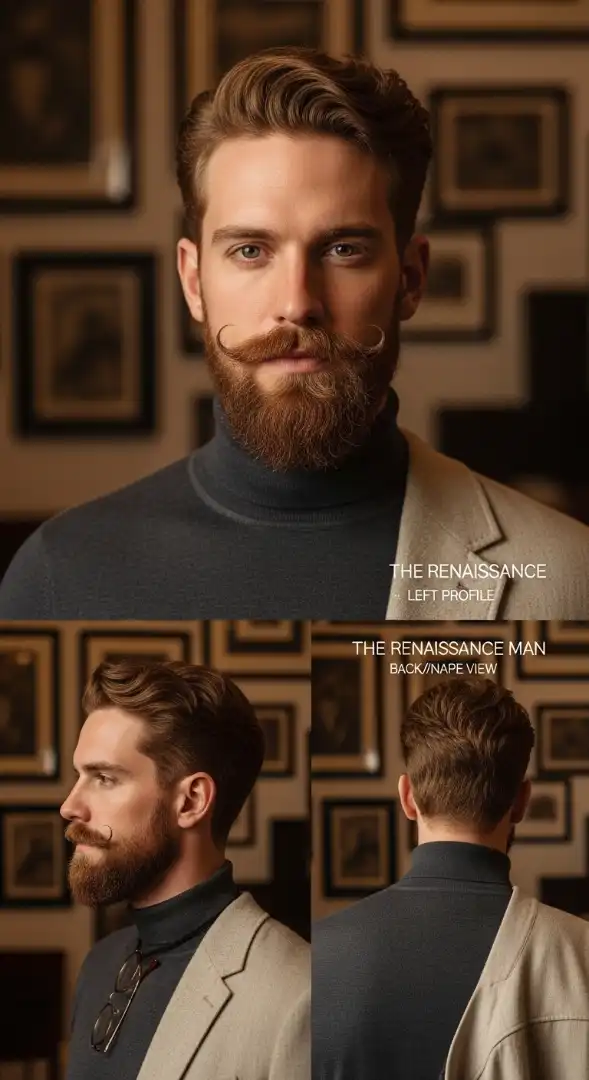

FIND YOUR STYLE
MUST TRY HAIR STYLES FOR MEN
Begin your transformation here to discover superior haircut inspiration, decode your exact facial structure and hair texture, and
bypass deceptive looks that only perform on camera.


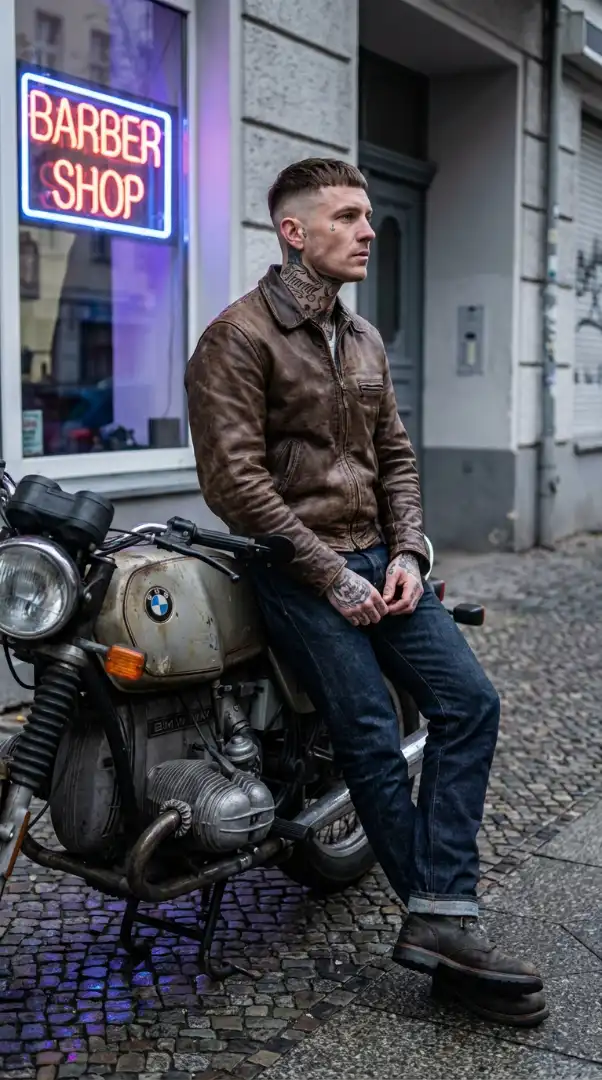


The Complete Guide to Hairstyles & Beard Styles for Men in 2026
Finding the right hairstyle and beard combination is the fastest way to transform your appearance. In 2026, men’s grooming has become a genuine craft—and it’s not just about trends. It’s about matching the right styles to your individual face shape, hair type, and personal style. This guide will help you make informed decisions about both your hair and facial hair.
PART 1: HAIRSTYLES
Step 1: Know Your Face Shape
Your bone structure determines which hairstyles enhance your features. The goal is to move your proportions toward a balanced oval—adding height to round faces, softening angular jaws, or shortening long faces.
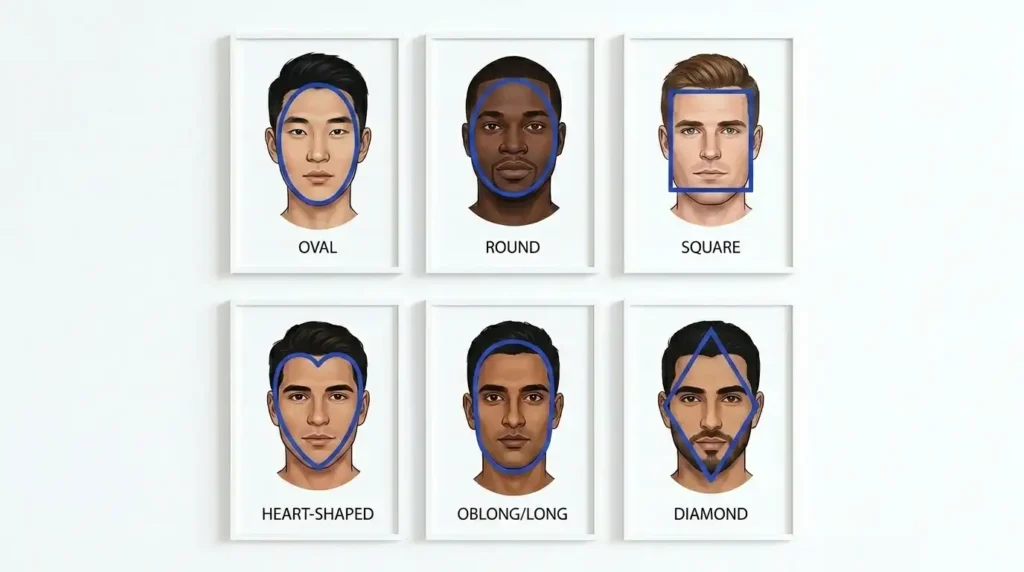
The Six Face Shapes:
Oval Face – The most versatile shape. Suits almost any hairstyle from buzz cuts to longer styles. Your balanced proportions work with structured crops, fades, and classic cuts equally well.
Round Face – Benefits from height and tight sides. Look for: high fades, pompadours, quiffs, textured crops with volume on top, and side-swept styles. These add vertical lift and make your face appear longer and slimmer.
Square Face – Strong jawline can be softened with textured crops and medium-length styles, or emphasized with sharp crew cuts and clean lines. You have options depending on the look you want.
Heart-Shaped Face – Wider at the forehead, narrower at the chin. Look for: medium-length styles, side-swept bangs, curtain cuts, and textured fringes that add balance and width at the lower face.
Oblong/Long Face – Needs width and a fringe to shorten its length. Best styles: curtain bangs, textured fringes, shorter styles with volume, and Caesar cuts that add horizontal lines.
Diamond Face – Prominent cheekbones, narrow forehead and chin. Look for: side parts, textured fringes, styles that add width at the forehead, and tapered sides that balance your proportions.
Step 2: Work With Your Hair Type
The same haircut behaves differently on different hair types. Choose a style your hair will naturally cooperate with.

Hair Type Guide:
Thick/Dense Hair – Your advantage is fullness. Your challenge is bulk. Best for: textured crops, layered cuts, all kinds of fades, undercuts, and shorter styles that create texture rather than mass.
Straight Hair – Shows precision beautifully. Perfect for: side parts, slick backs, textured crops, crew cuts, and any structured style. The downside is it can look flat without the right cut.
Wavy Hair – The most versatile texture. Shines with: modern mullets, curtain bangs, bro flow, medium-length styles, and any style that embraces movement. Low maintenance and forgiving.
Curly Hair – Embrace the curl pattern, don’t fight it. Best for: curly taper fades, curly undercuts, textured crops, longer medium styles, and cuts that showcase natural texture while keeping sides clean.
Fine/Thin Hair – Creates appearance of density with: buzz cuts, Caesar cuts, textured French crops, shorter fades, and clipper cuts. Avoid longer styles that expose thinness.
Pro Tip: Don’t force your hair into a style it can’t hold. Straight hair won’t maintain a voluminous curly style, and fine hair will look thinner with heavy, long styles.
Step 3: Popular Hairstyles in 2026
Family 1: Textured & French Crop
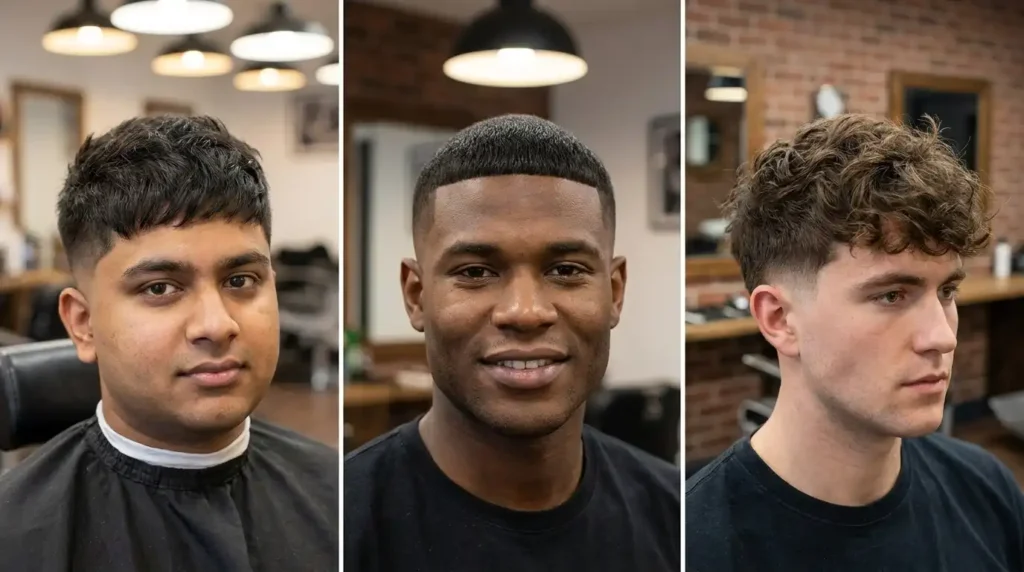
The textured crop and French crop are the default modern men’s cut worldwide. Short, faded sides with a textured fringe pushed forward. Why they dominate:
- Low maintenance
- Suits almost every face shape
- Disguises receding hairlines
- Works with multiple beard styles
- Clean, professional appearance
- Takes 5 minutes to style
Best for: All hair types, all face shapes, professionals, and men with active lifestyles.
Family 2: The Fade Family

A fade is how you finish the sides—a gradual blend from longer hair on top to shorter on the sides and back.
Low Fade – Most conservative, most office-friendly. Subtle transition, professional appearance.
Mid Fade – Most versatile, most requested. Works with any top length and any face shape. The safe choice.
High Fade – Bold contrast, trendy. Requires maintenance. Suits confident, fashion-forward men.
Skin Fade – Maximum contrast, edgy. High maintenance. Best for men who visit the barber every 2 weeks.
Drop Fade – Fades down behind the ears. Modern, flattering, works with longer tops.
Family 3: Longer & Textured Styles (Comeback in 2026)
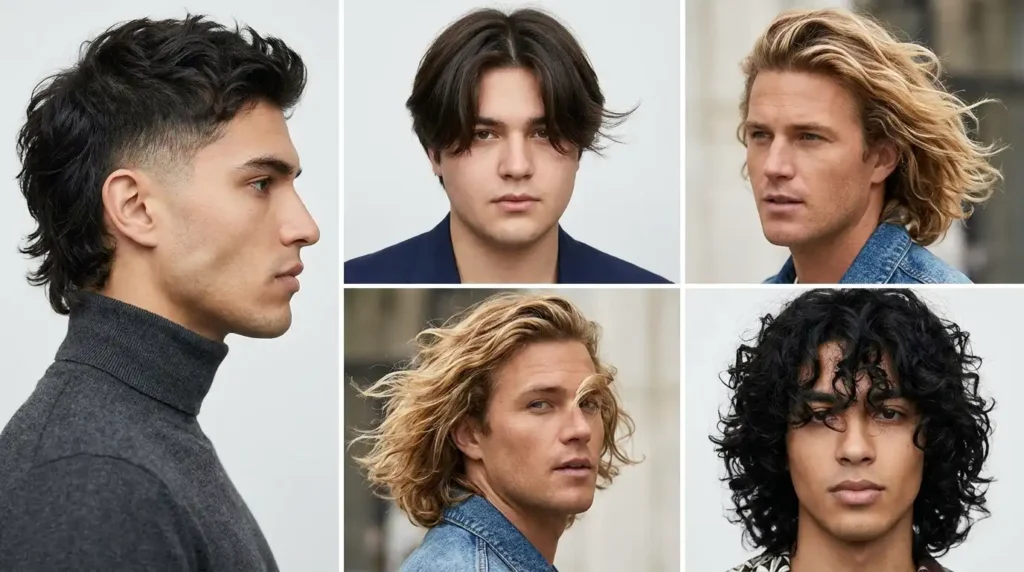
Making a strong comeback among younger men and in creative settings:
Modern Mullet – Business in front, party in back. Burst fade on sides, longer textured length on top. Requires styling and confidence.
Curtain Bangs – Medium length, parted down the middle, longer in front. Suits wavy/thick hair, heart and oblong faces. Higher maintenance.
Bro Flow – Relaxed, longer, textured. Perfect for men with naturally wavy hair who want low-maintenance personality. Very trendy.
Wolf Cut – Shaggy, layered, textured. For thick curly hair and men who want maximum personality. Requires regular trims.
Best for: Wavy or thick hair, men with confident personal style, creative fields, younger men.
Step 4: How to Talk to Your Barber
Always bring reference photos. Point out specific details:
- How tight is the fade?
- Where does the fringe sit?
- How much length stays on top?
- Is the texture choppy or smooth?
Be honest about:
- Your lifestyle and morning routine
- Time you have for styling
- How often you’ll get trims
- Products you’re willing to use
Learn the vocabulary:
- Scissor cut vs. clipper cut on top
- Guard length (0.5, 1, 1.5, etc.)
- Fade type you want
- Taper vs. sharp lines
Step 5: Styling & Maintenance at Home

Product Choice Matters:
- Matte Clay/Paste – For dry, textured, modern looks
- Water-Based Pomade – For sleek, polished styles that wash out clean
- Cream – For natural, light hold looks
Pro Styling Tips:
- Use less product than you think
- Wash hair 2-3 times per week, not daily
- Use conditioner on mid-lengths and ends
- Blow dry for maximum volume (especially thick/wavy hair)
- Respect your trim schedule: short cuts every 2-3 weeks, medium cuts every 4-6 weeks
PART 2: BEARD STYLES
Step 1: Beard Growth Stages & Face Shape
Before choosing a beard style, understand how beard density works with your face shape.
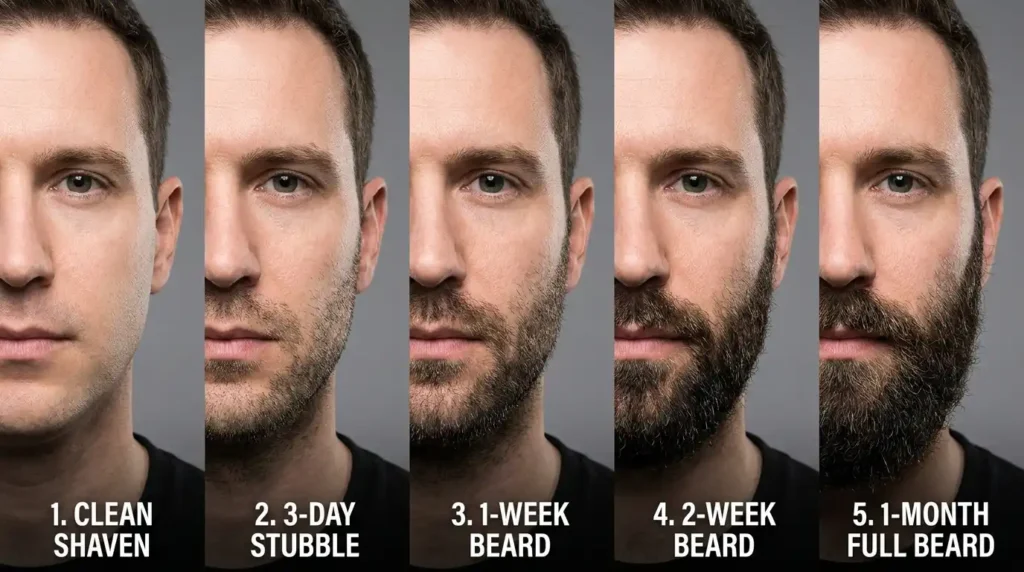
How Beards Affect Face Shape:
Round Face – Beards can emphasize roundness. Solution: Keep sides shorter/tighter, focus length on chin. Use: Van Dyke, chinstrap, or short boxed beard.
Square Face – Beards emphasize strong jaw. This is an advantage. Best: Full beard, ducktail, anchored beard. Leans into masculinity.
Oval Face – Most versatile. Any beard style works equally well.
Long/Oblong Face – Full beards add width and balance. Best: Full beard, extended goatee, fuller sides.
Heart-Shaped Face – Add balance at the chin. Best: Full beard, Extended goatee, French fork.
Diamond Face – Beards fill out narrow chin. Best: Full beard, Ducktail, any style that adds chin fullness.
Step 2: Popular Beard Styles in 2026
Clean Shaven
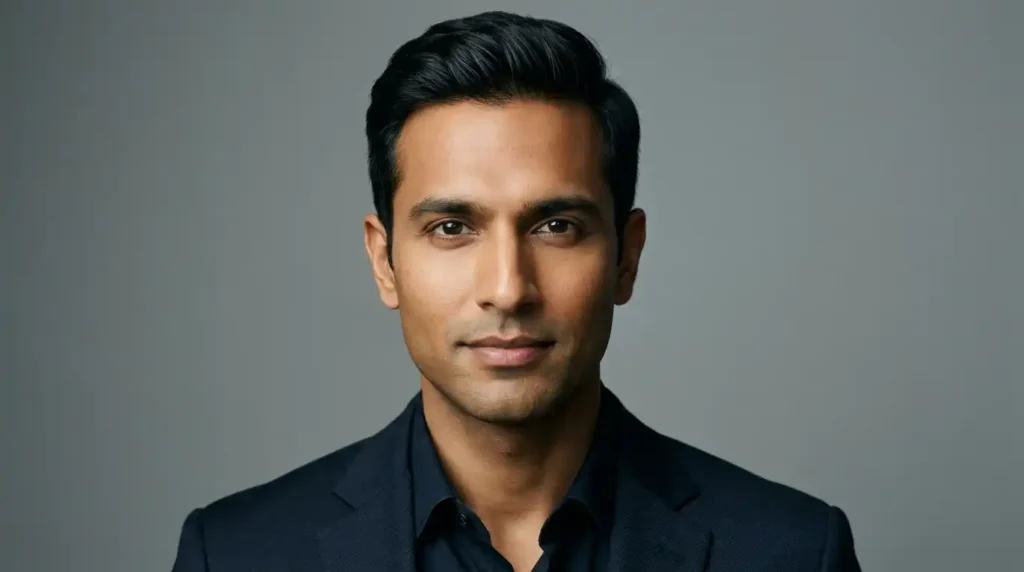
Best for: Young professionals, minimalist style, requires weekly maintenance. Modern, clean look.
Maintenance: Shave every 2-3 days for smooth appearance. Use quality shaving cream and aftercare.
3-Day Stubble (Shadowed Beard)
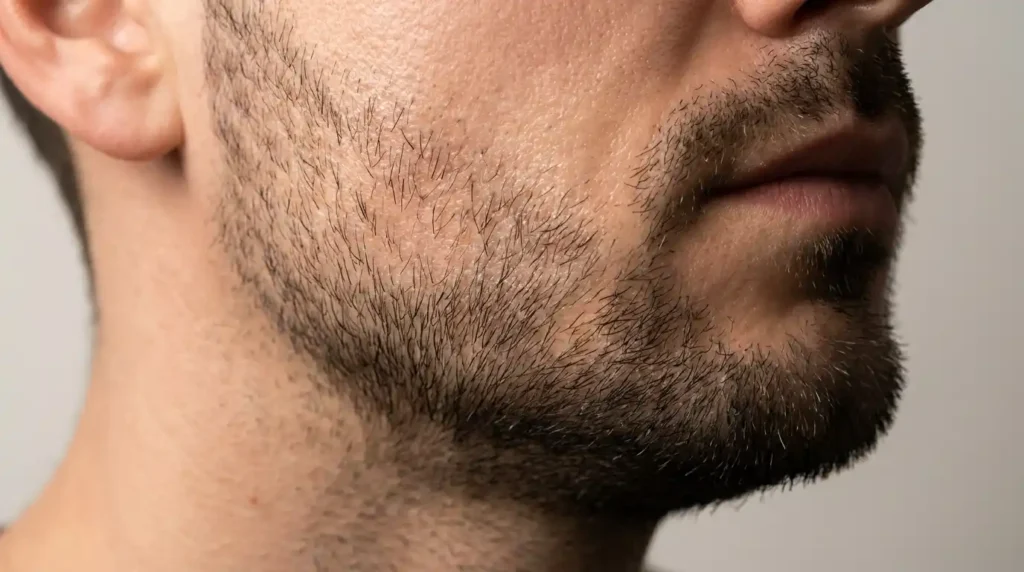
Best for: Casual-professional, effortlessly masculine, low maintenance. The “I just look this good” style.
Maintenance: Stop shaving for 2-3 days, then maintain length by shaving every 3-4 days consistently.
Short Boxed Beard (1-2 weeks growth)
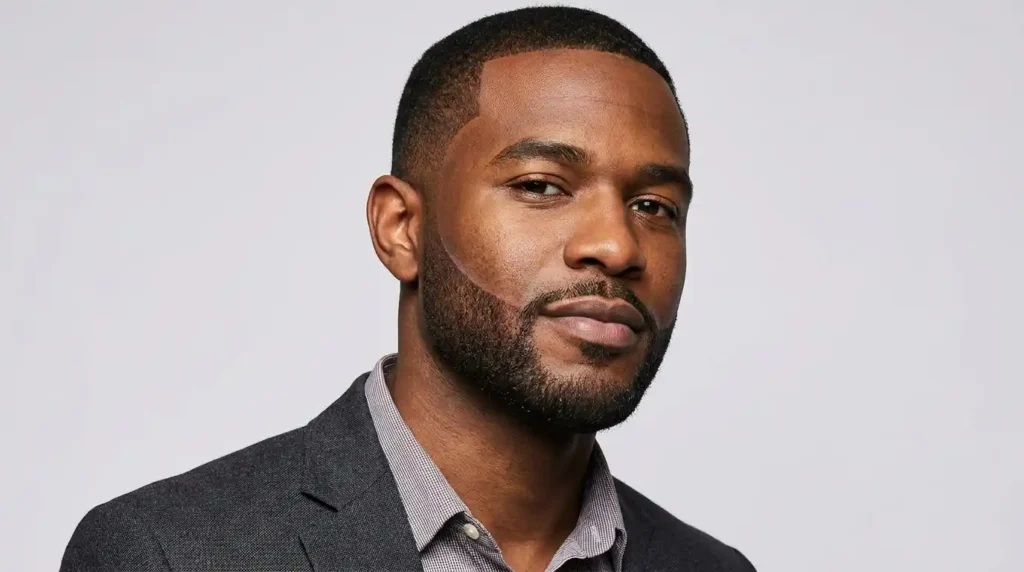
Best for: Balancing professionalism and personality. Works with most face shapes.
Maintenance:
- Trim every 3-4 days to maintain length
- Define cheek and neck lines weekly
- Keep edges sharp with straight razor or trimmer
- Use beard oil for softness
- Brush downward daily
Full Beard (1-2+ months growth)
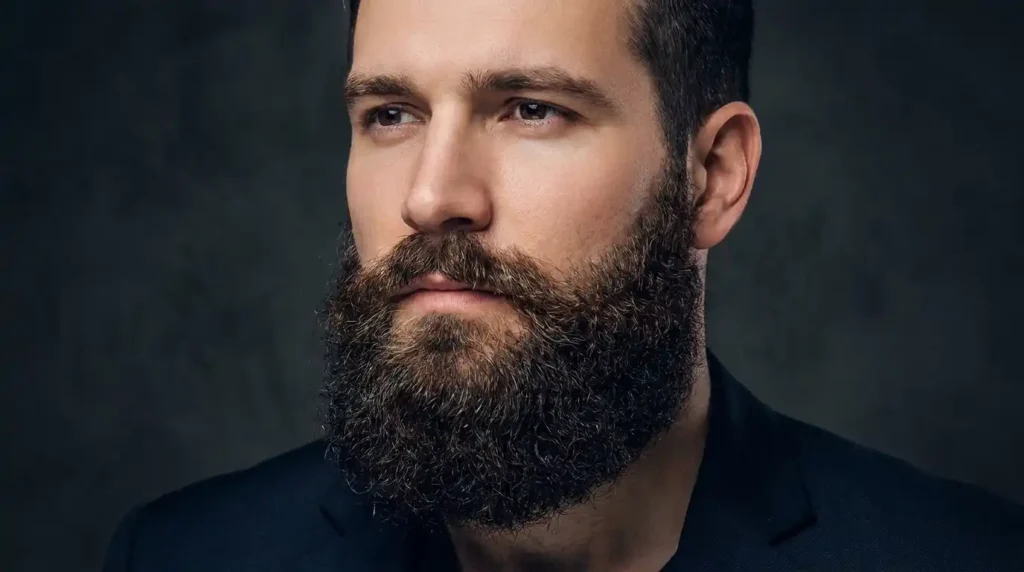
Best for: Men with thick beard growth, confident personality, those who want maximum masculinity and presence.
Maintenance:
- Let it grow 2-3 months minimum for fullness
- Trim every 4-6 weeks for shape
- Use beard oil daily for softness
- Use beard balm for styling
- Brush/comb daily to train direction
- Keep neckline clean
- Condition beard 2-3 times per week
Goatee (Chin + Mustache)
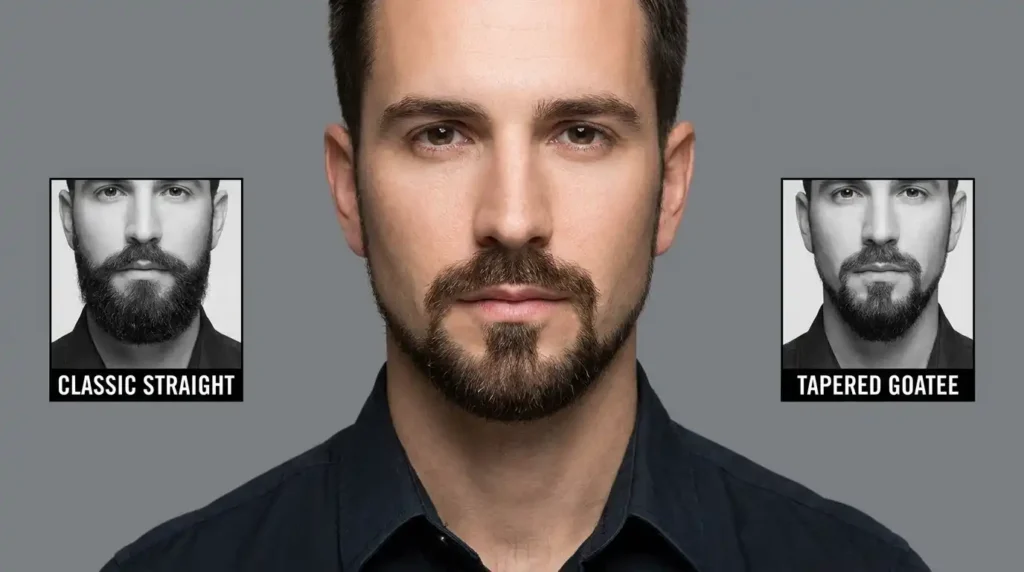
Best for: Men wanting facial hair without full beard commitment. Works well for longer face shapes. Low maintenance relative to full beard.
Variations:
- Classic Goatee – Rectangular shape
- Tapered Goatee – Pointed, narrower at bottom
- Extended Goatee – Longer, more dramatic
Maintenance: Trim every 1-2 weeks, define edges clearly, condition regularly.
Extended Goatee (Chin + Mustache + Sides)

Best for: Heart and oblong faces. Men wanting beard presence without full coverage. Stylish appearance.
Maintenance: Trim every 2 weeks, define cheek line clearly, use beard balm for styling.
Van Dyke (Mustache + Disconnected Chin)
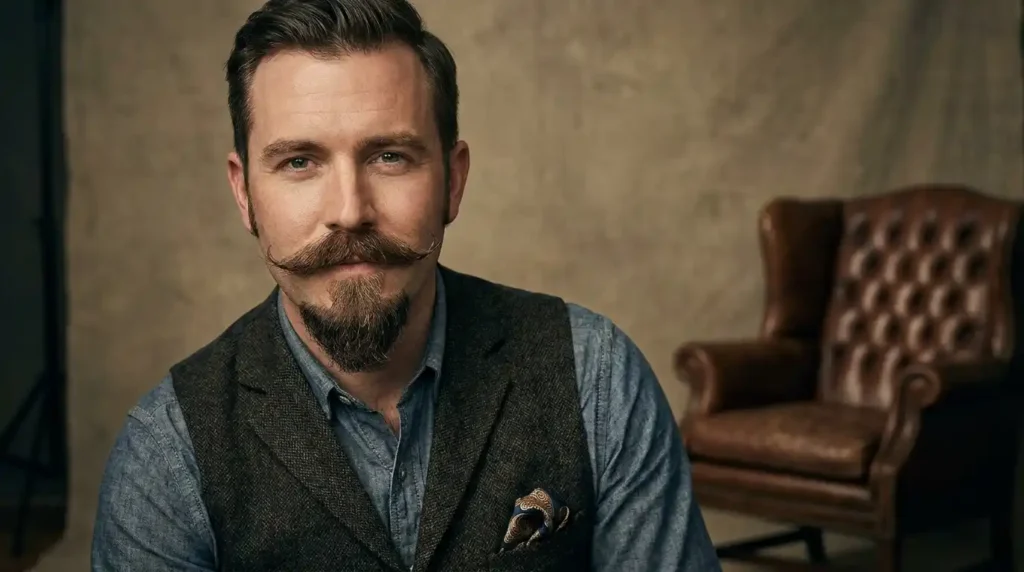
Best for: Confident men, creative fields, those with good mustache growth. Requires grooming commitment.
Maintenance:
- Trim mustache every 1-2 weeks
- Shape and style ends (upturned or straight)
- Trim chin hair separately every 2 weeks
- Keep cheeks and edges clean
- Use mustache wax for styling
Ducktail Beard
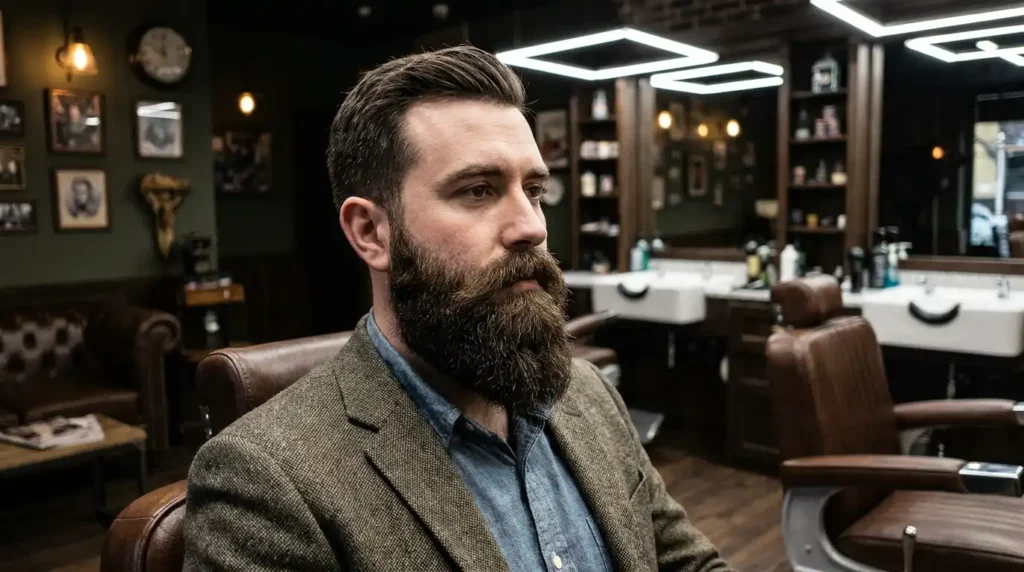
Best for: Square and round faces (adds chin definition). Confident, fashionable men. Requires commitment.
Maintenance:
- Grow 3+ months for proper shape
- Trim edges every 3-4 weeks
- Use beard balm or oil to shape and point the chin
- Brush downward and inward to train the point
- Condition beard 2-3 times per week
Stubble + Connected Mustache

Best for: Men wanting some facial hair definition without full beard commitment. Trendy, effortlessly cool.
Maintenance:
- Maintain stubble by shaving every 3 days
- Trim mustache every 4-5 days to keep it prominent
- Use mustache wax to keep shape defined
- Condition mustache area regularly
Step 3: Beard + Hairstyle Combinations
The best grooming looks combine complementary beard and hair styles.
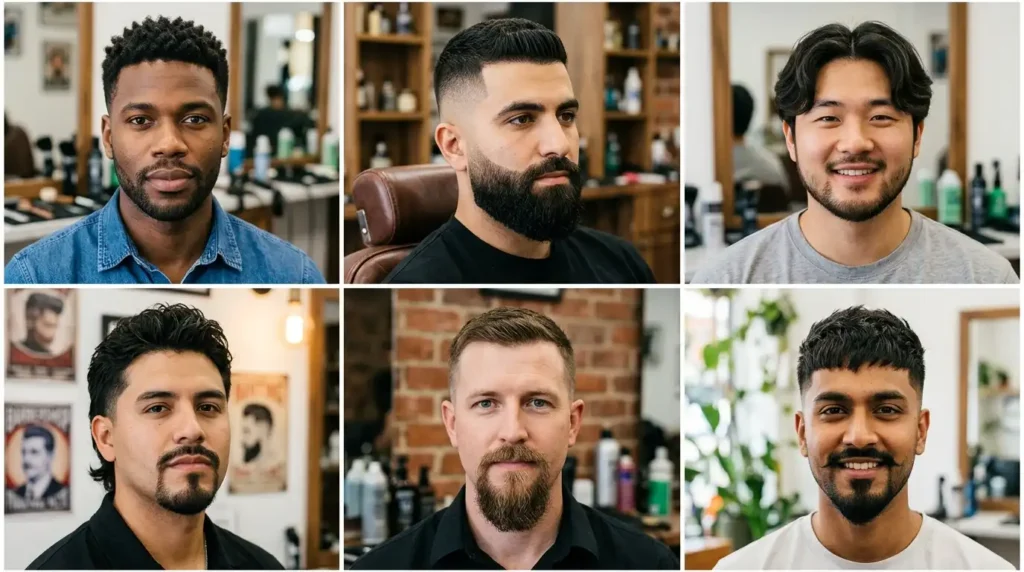
Classic Combinations:
| Hair Style | Beard Style | Best For | Vibe |
|---|---|---|---|
| Textured Crop | 3-day Stubble | Professional + Casual | Modern, effortless |
| Textured Crop | Short Boxed Beard | Professional + Personality | Confident, groomed |
| High Fade | Full Beard | Bold appearance | Masculine, trendy |
| Crew Cut | Clean Shaven | Traditional, timeless | Classic professional |
| Crew Cut | Goatee | Balanced look | Sharp, distinctive |
| Curtain Bangs | Short Boxed Beard | Creative, fashion-forward | Artistic, modern |
| Modern Mullet | Goatee | Bold personality | Daring, trendy |
| Bro Flow | 3-day Stubble | Relaxed, casual | Laid-back, confident |
| French Crop | Van Dyke | Sophisticated | Distinctive, memorable |
Step 4: Beard Care & Maintenance

Essential Beard Products:
Beard Shampoo – Gentler than regular shampoo. Cleanses without stripping natural oils.
Beard Oil – Softens beard, reduces itchiness, adds shine. Use daily, especially after showers.
Beard Balm – Styling product with light hold. Great for shaping and softness.
Beard Conditioner – Deep conditioning 1-2 times per week for longer beards.
Beard Brush/Comb – Train direction, detangle, and distribute oils. Use daily.
Straight Razor or Trimmer – Define edges and neckline. Precision trimming.
Step 5: How to Talk to Your Barber About Beards
Bring Reference Photos – Show:
- Beard length you want
- Cheek line height
- Neck line style (rounded, squared, or angled)
- Mustache style and direction
- How full/dense you want
Be Clear About:
- How often you’ll trim (frequency)
- Your beard growth speed
- Whether you’ll style it (with products)
- How much maintenance you want
- Whether you want edges defined or natural
Ask Your Barber:
- “What length will my beard look like at 2 weeks, 4 weeks, 8 weeks?”
- “How often should I get trims for this style?”
- “What products do you recommend?”
- “How do I maintain the neckline between barber visits?”
FINAL CHECKLIST: Choosing Your Hairstyle & Beard Combination
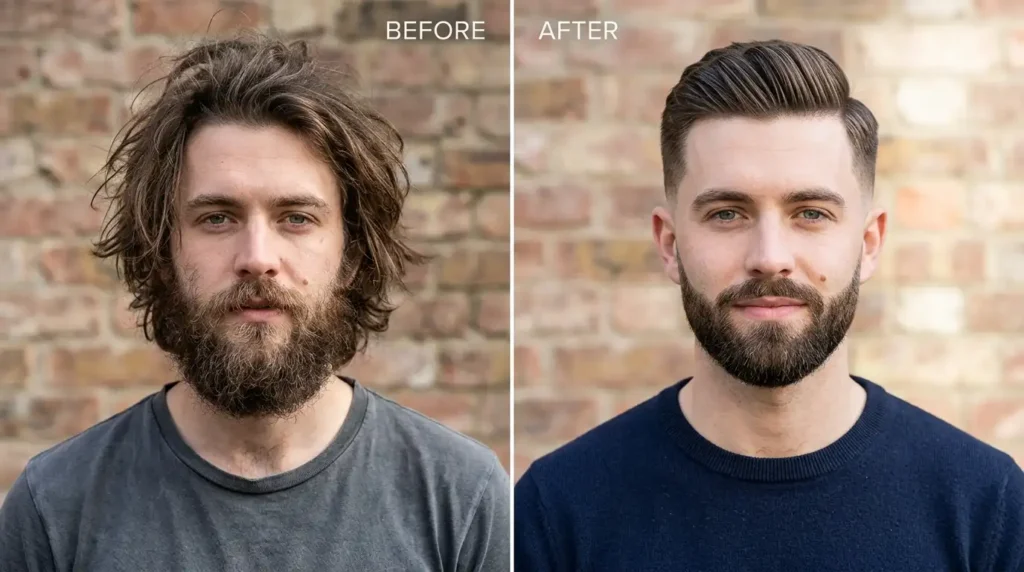
Before you visit your barber, answer these questions:
- [ ] Do I know my face shape?
- [ ] Do I understand my hair type?
- [ ] Have I picked a hairstyle that suits both?
- [ ] Do I have reference photos?
- [ ] Have I chosen a beard style that complements my hair?
- [ ] Am I realistic about maintenance time?
- [ ] Do I understand the fade/beard line terminology?
- [ ] Am I prepared to trim every 2-4 weeks?
- [ ] Have I picked the right products for my style?
Remember: A great haircut and beard combination isn’t about following trends. It’s about understanding your features, choosing styles that work with (not against) your hair and face, and maintaining them consistently. Master these fundamentals, and you’ll always look sharp.
Quick Reference: How Often to Visit Your Barber
| Style | Trim Frequency | Best For |
|---|---|---|
| Buzz Cut | Every 2-3 weeks | Ultra-low maintenance |
| Crew Cut | Every 3-4 weeks | Professional, classic |
| Textured Crop | Every 2-3 weeks | Modern, sharp appearance |
| Fade | Every 2-3 weeks | Trendy, defined lines |
| Medium Length | Every 4-6 weeks | More flexibility |
| Longer Styles | Every 4-6 weeks | Less frequent maintenance |
| 3-day Stubble | Every 3-4 days (shave) | Very low maintenance |
| Short Boxed Beard | Every 3-4 weeks (trim) + weekly maintain | Moderate maintenance |
| Full Beard | Every 4-6 weeks (trim) | Higher maintenance |
| Goatee | Every 1-2 weeks | Moderate maintenance |
| Van Dyke | Every 1-2 weeks | High maintenance |
Conclusion
The right hairstyle and beard combination can transform your appearance, boost your confidence, and make grooming easier every single day. But it all starts with understanding your face shape, hair type, and personal style—then communicating clearly with your barber and maintaining your look at home.
Start with the face shape section. Understand what works for you. Bring photos. Ask questions. And remember: great grooming isn’t complicated. It’s just consistent.