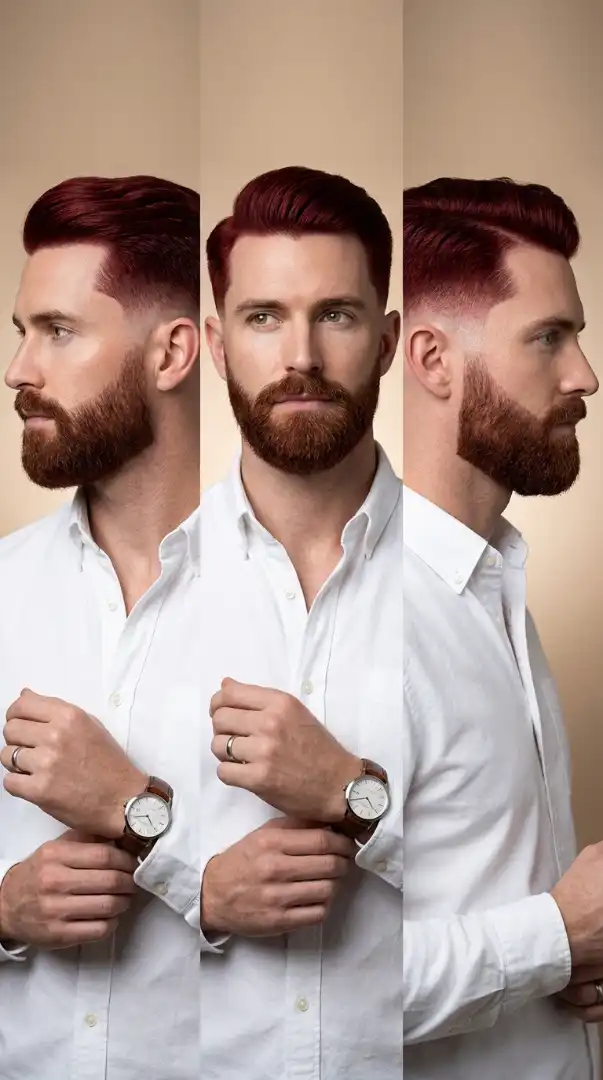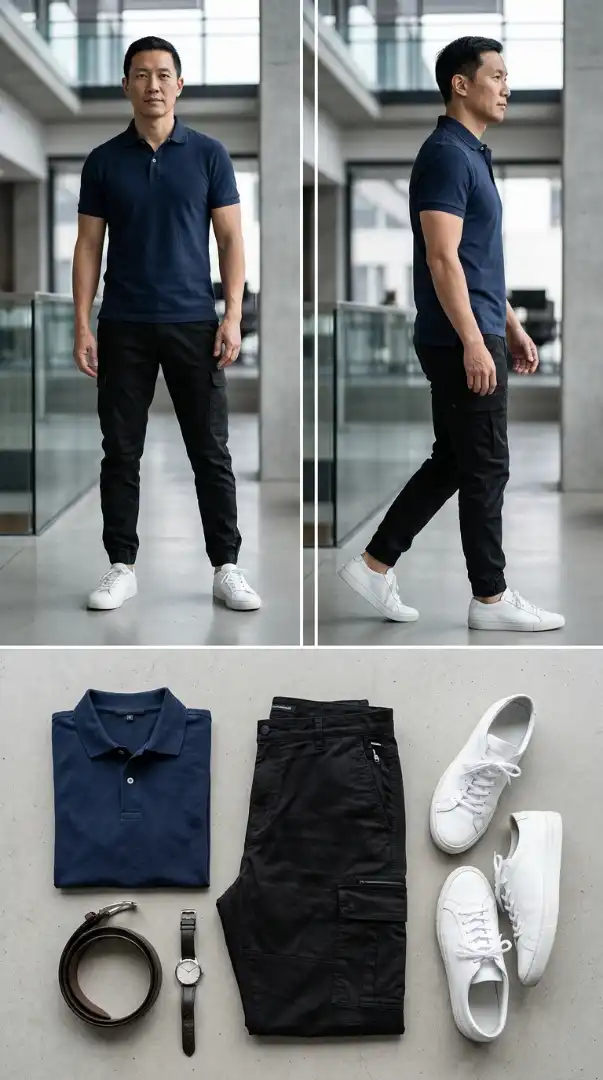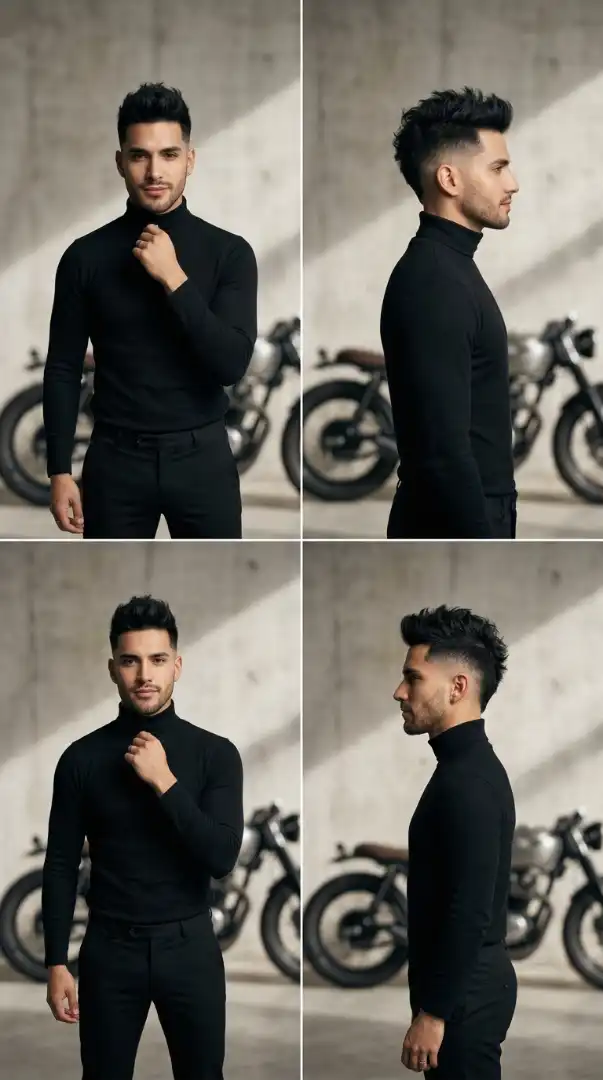

12 Best Hairstyles for Men In This Summer
1 of 12 — The Mediterranean Wave Rider

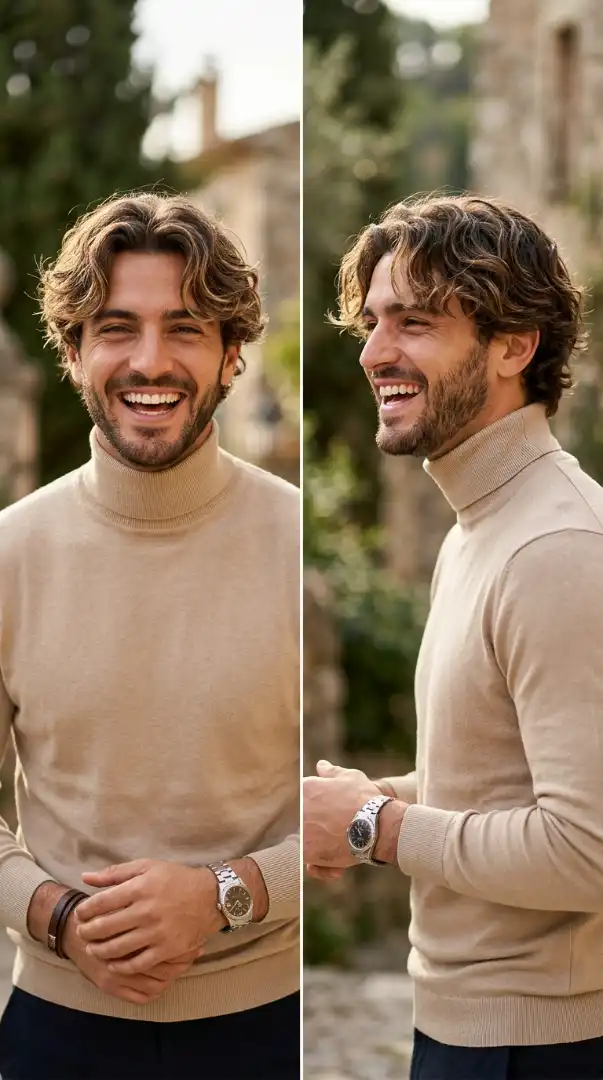
The Mediterranean Wave Rider is engineered specifically for men battling summer heat and coastal humidity without sacrificing style. This cut works brilliantly for Oval and Heart-shaped faces because the textured wave movement adds horizontal width across the cheekbones, balancing narrow jawlines while the swept direction creates diagonal visual flow that flatters angular features. For Round faces, ask your barber to keep the sides slightly shorter (around a #3 guard) to create vertical elongation.
The grooming kit is minimal but strategic. You’ll need a Dyson Supersonic with the diffuser attachment to enhance natural wave pattern without frizz, a Baxter of California Clay Pomade for separation that holds in humidity, and a Mason Pearson boar bristle brush for evening distribution. Daily maintenance runs exactly 4 minutes: towel-dry to 70% damp, apply dime-sized pomade, diffuse on medium heat while scrunching, then air-dry the final 20%. Salon visits every 5–6 weeks to maintain the length integrity. This is a Medium maintenance style — effortless-looking but requiring consistent product application.
The barber script: “I want 3 to 4 inches on top with point-cutting for texture, not blunt. Blend the sides with scissors over comb starting at a #3 guard length equivalent, fading into the top. Keep the natural wave pattern — don’t thin it out. Leave the fringe long enough to sweep across, about two inches past the eyebrow when pulled down. Clean up the neckline and sideburns but keep everything natural, no harsh lines.”
Next up, you’ll discover how a strategic fade completely transforms summer styling when heat becomes unbearable.
FAQs
Q: How do I maintain wavy hair in summer humidity without it getting frizzy?
A: Use a salt spray on damp hair before diffusing, then lock it with a clay pomade that contains beeswax — this creates a humidity barrier while maintaining natural movement. Avoid touching your hair throughout the day, as hand oils break down the product barrier. Refresh with a light mist of water and scrunch if needed, but never comb when dry.
Q: What face shape suits the Mediterranean Wave Rider best?
A: Oval and Heart-shaped faces benefit most because the horizontal wave movement balances narrow jawlines and adds visual width across the cheekbones. Round faces can wear this style by keeping the sides shorter (#3 guard) to create vertical elongation and prevent the waves from adding unwanted width.
Q: How often should I get the Mediterranean Wave Rider trimmed?
A: Every 5–6 weeks to maintain length integrity and prevent the wave pattern from becoming too heavy and losing its natural lift. Between cuts, ask for a “dusting” trim on the ends only to remove split ends without changing the overall shape.
Q: What’s the difference between the Mediterranean Wave Rider and a standard textured crop?
A: The Wave Rider keeps significantly more length (3–4 inches on top versus 1.5–2 inches in a crop) and relies on natural wave pattern rather than forced texture. It’s styled with movement and sweep rather than standing upright, making it more suitable for professional environments and formal occasions.
2 of 12 — The Urban Heat Taper

The Urban Heat Taper is the ultimate warm-weather workhorse for men who demand zero-fuss mornings while maintaining sharp aesthetics. This cut dominates on Square and Diamond face shapes because the mid-fade reduces visual bulk at the temples and cheekbones, while the forward-styled top creates a balanced horizontal line that softens strong jawlines. Oblong faces gain from the horizontal fringe line that breaks up vertical length. The fade placement is critical — starting just above the ear rather than at skin level keeps enough coverage to prevent sun exposure on sensitive scalp skin during summer months.
Your grooming arsenal needs precision tools: Andis Master Cordless clippers for the fade execution, a Wahl Detailer for edge definition that stays crisp in humidity, Uppercut Deluxe Matte Clay for hold without shine, and a Kent 81T pocket comb for morning styling. This is Low maintenance heaven — 90 seconds daily. Wake up, dampen hands, run through hair forward, apply pea-sized clay, shape fringe line with comb. Done. Barbershop visits every 2.5 weeks because fades grow out visibly fast, but the top length tolerance is forgiving.
The barber script: “Mid-fade with a #1 guard at the bottom, blending to skin just above the ear. Keep 2.5 to 3 inches on top, textured with point-cutting. Style it forward with a defined fringe line about an inch above my eyebrows. Sharp lineup on the hairline and temples. Blend my beard into the fade at the sideburns — no gaps. Keep the nape clean and squared off.”
The next style proves that texture doesn’t have to mean high maintenance — even in sweltering heat.
FAQs
Q: How do I ask my barber for a mid-fade?
A: Say “Mid-fade starting with a #1 guard at the bottom, blending to skin just above my ear, with sharp temple edges and a clean lineup.” Specify where you want the fade to END (just above ear) rather than where it starts, as this gives your barber the exact endpoint for the blend.
Q: How often should I get the Urban Heat Taper touched up?
A: Every 2.5 weeks to maintain the fade’s crispness. Fades grow out noticeably within 10–14 days, creating a “fuzzy” appearance that defeats the sharp aesthetic. If you’re budget-conscious, you can stretch to 3 weeks but ask your barber to cut the fade slightly tighter to compensate for growth.
Q: What products do I need for the Urban Heat Taper?
A: One matte clay (like Uppercut Deluxe or American Crew Fiber) and a fine-tooth comb. That’s it. Apply pea-sized amount to damp hair, comb forward to create the fringe line, then let air-dry. The cut does 90% of the work — product just adds control and prevents flyaways.
Q: Which face shape suits the Urban Heat Taper best?
A: Square and Diamond faces benefit most because the mid-fade reduces visual width at the temples while the forward-styled top creates horizontal balance. Oblong faces also work well as the defined fringe line breaks up vertical length and adds perceived width.
3 of 12 — The Coastal Textured Crop

The Coastal Textured Crop is specifically engineered for coily hair types that thrive with strategic moisture management in summer heat. This cut works phenomenally on Round and Oval faces because the height concentration on top creates vertical lift that elongates proportions, while the high skin fade removes bulk from the sides, preventing the “ball” effect that shorter uniform crops create on Round faces. Square faces benefit from the soft curl texture on top that contrasts with angular jawlines.
The grooming toolkit is coily-hair specific: Wahl Magic Clip for precise fade execution on textured hair, Andis GTX T-Outliner for edge detailing, a wide-tooth seamless comb for curl definition without breakage, Cantu Curl Activator Cream for moisture retention in salt air and chlorine, and SheaMoisture Beard Oil with tea tree for the full beard connection. This is Medium-Low maintenance — 3 minutes morning routine. Dampen hair completely, apply quarter-sized curl cream, finger-coil the front section for definition, air-dry or diffuse on low. Barbershop every 3 weeks because the fade integrity is critical to the style’s impact, but the top texture is forgiving between cuts.
The barber script: “High skin fade starting at my temple level, blending into 1.5 inches on top — keep it tight and even. Leave the front section slightly longer, about 2 inches, with forward curl direction. I want definition in the curl pattern, so don’t use thinning shears. Rounded nape taper, not squared — follow my natural head shape. Line me up sharp at the hairline and temples. Blend my beard into the fade — no disconnection.”
What comes next will surprise you — maximum visual impact with genuinely minimal daily effort.
FAQs
Q: How do I maintain a textured crop with coily hair in summer?
A: Apply curl cream to soaking wet hair immediately after showering, finger-coil the front section for 30 seconds, then let air-dry completely. Avoid touching while drying to prevent frizz. At night, use a satin pillowcase or durag to preserve the curl pattern. Refresh with water mist and light cream only if needed — never dry product on dry hair.
Q: What’s the difference between a textured crop and a regular fade?
A: A textured crop maintains 1.5–2 inches of defined curl or wave pattern on top with specific styling direction (usually forward), while a regular fade can have any top length and styling. The crop’s defining feature is the deliberate texture preservation and forward movement, not just the fade on the sides.
Q: Which face shape suits the Coastal Textured Crop best?
A: Round and Oval faces benefit most because the vertical height on top elongates proportions and the high fade removes side bulk. Square faces work well too as the soft curly texture contrasts with angular features. Avoid this cut if you have a very long Oblong face unless the barber keeps the top shorter.
Q: How often should I get the Coastal Textured Crop trimmed?
A: Every 3 weeks to maintain the high fade’s crispness and even curl length on top. The fade grows out noticeably fast, and coily hair can look uneven quickly without regular shaping. Between cuts, keep edges lined up with a personal trimmer if needed.
4 of 12 — The Executive Cool Down

The Executive Cool Down bridges the gap between boardroom expectations and summer survival — a cut that reads “corner office” while functioning like technical athletic wear. This style dominates on Oval and Diamond face shapes because the side-part architecture creates asymmetrical visual interest that complements balanced proportions, while the low fade keeps enough coverage to avoid exposing wide temple areas on Diamond faces. Square faces work well with this cut when the barber adds subtle layering on top to soften the geometric interplay between a boxy jawline and the structured part line.
Your professional grooming station requires premium tools: Oster Fast Feed clippers for consistent fade work, a straight razor for the part line (nothing reads sharper), Baxter of California Hard Cream Pomade for humidity-resistant hold that doesn’t look wet, a boar bristle Kent brush for morning distribution, and premium beard oil with cedarwood for the sculpted beard. This is Medium-High maintenance — 6 minutes daily. Shower, towel-dry to damp, apply pomade to palms and distribute through top section, brush from part line to the right while blow-drying on medium heat with a concentrator nozzle, finish with light hold spray. Barbershop every 2.5–3 weeks because the part line grows in and the fade needs consistent maintenance, but this investment pays dividends in professional presence.
The barber script: “Low fade starting about 2 inches above my ear, blending with a #2 guard at the bottom. I want 3.5 to 4 inches on top with subtle layering for movement. Shave a clean part line on my left side. Style it with a slight pompadour volume at the front, combed to the right. Keep my beard sculpted and short — about 1/4 inch length — and blend it into the fade at the sideburns. Tapered nape, professional finish.”
The next style demolishes the myth that edgy summer cuts can’t be office-appropriate.
FAQs
Q: How do I style a side part that stays in place through summer heat?
A: Apply pomade to damp hair before blow-drying, not after. Use a concentrator nozzle on your dryer and brush the hair in the exact direction you want while applying heat. The combination of heat and product sets the direction. Finish with a 3-second blast of cold air to lock it, then a light mist of hairspray only at the part line.
Q: What’s the difference between a low fade and a mid fade?
A: A low fade starts the skin transition about 2 inches above the ear, keeping more coverage and a conservative appearance. A mid fade starts just above the ear, creating more dramatic contrast. Low fades work better in formal corporate environments while mid fades have a modern streetwear aesthetic.
Q: Which face shape suits the Executive Cool Down best?
A: Oval and Diamond faces benefit most because the side-part creates flattering asymmetry on balanced features. Square faces work well with subtle top layering to soften the angular interplay. Avoid this on very Round faces unless you pair it with a higher fade to add vertical elongation.
Q: How often should I get my side part shaved in for the Executive Cool Down?
A: Every 2.5–3 weeks during your regular fade maintenance appointment. The shaved part line grows in noticeably within 2 weeks, losing definition. If you’re maintaining it at home, use a single-blade straight razor and go with the grain — never against — to avoid irritation.
5 of 12 — The Desert Storm Buzz

The Desert Storm Buzz is the nuclear option for men who prioritize function over every other consideration — this is tactical summer grooming stripped to its combat-ready essence. This cut works universally across all face shapes precisely because it removes hair as a variable, but it particularly enhances Square and Diamond faces by exposing the jawline and cheekbone architecture without competing visual elements. Round and Oval faces should ensure the barber creates sharp temple corners during the edge-up to add angular structure that balances softer features. The uniform #2 length (1/4 inch) hits the sweet spot between completely bald (which shows every scalp imperfection and sunburns instantly) and long enough to style (which defeats the entire purpose).
The grooming kit is laughably minimal: Wahl Senior clippers with a fresh #2 guard, Andis T-Outliner for weekly edge maintenance, Nivea Men SPF 30 face and scalp sunscreen (non-negotiable for exposed scalp), and a clean microfiber towel. This is Ultra-Low maintenance — 30 seconds daily. Wake up, dampen head under tap, towel dry. Done. Home maintenance every 5–7 days with your own clippers runs the #2 over your entire head against the grain, then edge up the hairline and nape with the T-Outliner. Barbershop visits drop to every 6–8 weeks just for professional edge shaping and to ensure even growth pattern.
The barber script: “Full #2 guard buzz over my entire head — even length everywhere. Sharp edge-up with defined temple corners and clean hairline. Make the forehead line straight, not rounded. Clean nape, straight across. No fading, no blending — just uniform #2 and crisp edges.”
Up next, we’re proving that summer styling can be genuinely zero-product and still photograph like a GQ cover.
FAQs
Q: How do I maintain a buzz cut at home without going to the barber?
A: Run a #2 guard over your entire head against the grain (back to front, bottom to top) every 5–7 days in front of a mirror. Use a handheld mirror to check the back. Edge up your hairline and nape with a T-Outliner trimmer, following your natural hairline shape. Clean up with a damp towel and you’re done — total time 8 minutes.
Q: Will a buzz cut work if I have a round face?
A: Yes, if your barber creates sharp geometric temple corners during the edge-up. This adds angular structure that balances rounder features. Avoid rounded edges and curved hairlines — sharp straight lines are your friend. Pair with defined facial hair (even just sharp sideburns) to further enhance facial structure.
Q: What length guard should I use for a summer buzz cut?
A: #2 guard (1/4 inch) is the ideal summer buzz — short enough to stay cool and require minimal maintenance, but long enough to prevent sunburn and hide minor scalp imperfections. #1 is too short and shows every bump; #3 starts to require actual styling.
Q: How often should I get a buzz cut trimmed?
A: If you maintain it yourself at home with clippers, every 5–7 days to keep uniform length. If you rely on barbershop visits only, every 3–4 weeks, though it will look progressively longer. The beauty of the buzz is you can easily maintain it yourself between professional edge-ups every 6–8 weeks.
6 of 12 — The Ivy League Refresh

The Ivy League Refresh is the thinking man’s summer cut — traditional proportions re-engineered for warm weather with strategic length reduction and taper precision. This cut performs exceptionally on Oval and Heart-shaped faces because the side-part asymmetry and subtle lift on top balance narrower jawlines, while the taper keeps the sides clean without the stark contrast of a full fade. Round faces gain from the vertical lift and diagonal lines that create perceived length. Distinguished men embracing their salt-and-pepper should specifically request this cut — the graduated length showcases the gray beautifully while maintaining professional gravitas.
Your refined grooming toolkit: Oster 76 Classic clippers for the taper execution, a quality boar bristle brush for natural wave enhancement, American Crew Grooming Cream for pliable hold without stiffness, Jack Black beard oil with eucalyptus for gray beard conditioning, and a fine-tooth comb for part definition. This is Medium maintenance — 4 minutes daily. Towel-dry hair to 80% damp, apply dime-sized cream through top and crown, brush from right-side part over to left while blow-drying on low heat, shape the part line with comb. Barbershop every 4 weeks because the taper grows out gracefully (unlike fades) and the top length tolerance is forgiving, making this ideal for men with demanding schedules.
The barber script: “Ivy League cut with 2.5 inches on top, tapered down to about 1 inch at the crown. Low taper fade starting an inch above my ear, using scissors over comb — no clipper lines. Natural side part on my right. Keep the wave texture — don’t thin it out. Blend my beard into the taper at the sideburns, and shape my neckline and cheek line clean. Leave my grays — they’re staying.”
The next style will challenge everything you think you know about summer color and maintenance.
FAQs
Q: What’s the difference between an Ivy League cut and a crew cut?
A: An Ivy League maintains 2–3 inches on top with enough length to comb and part, while a crew cut is significantly shorter (under 1 inch) and stands upright without parting. The Ivy League is more versatile and professional, suitable for both business and casual settings, while crew cuts are more athletic and casual.
Q: How do I style an Ivy League cut with wavy hair?
A: Embrace the wave texture instead of fighting it. Apply grooming cream to damp hair, brush from your part over while blow-drying on low heat to set direction without destroying the wave pattern. Let it air-dry the final 20% to preserve natural movement. Avoid heavy pomades that flatten waves.
Q: Which face shape suits the Ivy League Refresh best?
A: Oval and Heart-shaped faces benefit most from the side-part asymmetry and subtle top volume that balances narrower features. Round faces work well too as the vertical lift and diagonal part line create perceived elongation. Square faces should ask for slightly more length on top to soften the geometric interaction.
Q: How often should I get the Ivy League Refresh trimmed?
A: Every 4 weeks for the taper maintenance and length control. Unlike skin fades that need 2-week touch-ups, tapers grow out gracefully. The top length is forgiving, so you can stretch to 5 weeks if needed without looking unkempt — just maintain the part line and beard shape at home.
7 of 12 — The Tokyo Drift Undercut

The Tokyo Drift Undercut is maximum visual impact weaponized for men who understand that summer heat is actually an advantage when your entire cut is designed to keep hair off your skin. This aggressively modern style works spectacularly on Square and Diamond face shapes because the extreme side-swept top creates dramatic diagonal lines that soften angular features, while the skin-shaved sides eliminate bulk entirely at the temples. Oval faces gain edge and personality from the asymmetry. This is NOT for conservative corporate environments — this is statement styling for creative professionals, entrepreneurs, and men who’ve earned the freedom to look however they want.
The grooming arsenal is premium and specific: Wahl Detailer for skin-shave precision on the undercut line, a shaving kit for maintaining the hard part weekly, Hanz de Fuko Claymation for extreme hold that survives humidity, a blow dryer with concentrator nozzle for directional styling, and Viking Revolution beard oil for the stubble. This is High maintenance without apology — 8 minutes daily. Shower, towel-dry to damp, blow-dry while brushing hair from left hard part dramatically to the right using high heat and the concentrator, apply quarter-sized clay pomade and sculpt the sweep with your hands, finish with strong-hold spray. Barbershop every 2 weeks because the undercut grows in visibly and destroys the clean disconnect line that makes this cut work.
The barber script: “Disconnected undercut — skin shave the entire sides and back with a #0, no fade. Shave a hard part on my left side. Leave 4 to 5 inches on top with texture cut for movement. I style it swept dramatically to the right, so cut it to support that direction. Keep the disconnect line sharp and visible — I want that hard contrast. Clean nape, skin-shaved horizontal line.”
Coming up, we’re diving into texture that works WITH summer, not against it.
FAQs
Q: How do I maintain a disconnected undercut between barbershop visits?
A: Use a personal trimmer with no guard (#0) to maintain the skin-shaved sides every 5–7 days. Go against the grain in upward strokes. The hard part line needs weekly maintenance with a straight razor or Detailer trimmer. If you’re not comfortable shaving your own head, this cut requires bi-weekly barbershop visits to stay sharp.
Q: What’s the difference between a disconnected undercut and a regular fade?
A: A disconnected undercut has zero blending — the sides are skin-shaved and the top is full length with a hard visible line where they meet. A fade gradually blends from skin to length with no line. Disconnected undercuts create dramatic contrast and modern edge; fades create smooth professional gradients.
Q: Which face shape suits the Tokyo Drift Undercut best?
A: Square and Diamond faces benefit most from the dramatic side-swept top creating diagonal lines that soften angular features. Oval faces work well too. Avoid this on very Round faces as the extreme top length without side balance can add width. Long Oblong faces should keep the top slightly shorter to avoid over-elongating.
Q: How much product do I need for an extreme undercut sweep?
A: Quarter-sized amount of strong-hold clay pomade (like Hanz de Fuko Claymation or Uppercut Monster Hold) applied to damp hair before blow-drying. The key is blow-drying first to set the direction with heat, THEN adding product — not the reverse. Finish with hairspray for humidity resistance.
8 of 12 — The Nomad Low Maintenance

The Nomad Low Maintenance is natural hair liberation — a cut that celebrates coily texture as a functional advantage in summer heat rather than something to manipulate into submission. This style works universally because the rounded afro shape adapts proportionally to every face shape, but it particularly enhances Oval and Heart-shaped faces by adding horizontal width that balances narrower features. Round faces should keep the afro slightly shorter (1 to 1.25 inches) and ensure clean edge definition to add structure. The strategic genius here is thermal regulation — unlike tight braids or compressed styles, the afro’s coil structure creates air pockets that insulate and ventilate simultaneously.
Your natural hair toolkit is moisture-focused: Wahl Magic Clip (adjustable taper lever essential for coily hair), a wide-tooth wooden comb for detangling without breakage, SheaMoisture Raw Shea Butter Deep Treatment Masque for weekly conditioning, Cantu Shea Butter Leave-In Conditioner for daily moisture, and Honest Amish Beard Balm for the natural beard. This is Low-Medium maintenance — 5 minutes daily for hair, 2 minutes for beard. Morning routine: spray hair lightly with water until damp, apply leave-in conditioner, pick out with wide-tooth comb to shape, let air-dry. Beard: apply balm to damp beard, brush through, done. Barbershop every 5–6 weeks for shape maintenance and edge-ups, but the afro itself is forgiving between visits.
The barber script: “Keep my afro at 1.5 inches uniform length all around — use the adjustable taper lever, not just one guard. Shape it rounded following my natural head shape, not squared off. Clean edge-up on my hairline and temples, but keep the curves natural. Let my beard grow naturally — just shape the neckline and cheek lines clean. I want the natural texture to show, no texturizing or thinning.”
The next style destroys the myth that short hair can’t have personality.
FAQs
Q: How do I maintain a natural afro in summer without drying it out?
A: Focus on moisture retention with daily leave-in conditioner application and weekly deep conditioning treatments. Sleep with a satin pillowcase or bonnet to prevent friction damage. Avoid daily shampooing — rinse with water or use co-wash instead to preserve natural oils. In dry heat climates, mist with water 2–3 times daily.
Q: What products do I need for a short natural afro?
A: Three essentials: leave-in conditioner for daily moisture (like Cantu or SheaMoisture), a deep conditioner for weekly treatments, and a light oil or butter for sealing moisture. Optional but helpful: a spray bottle for water and a wide-tooth wooden comb. Avoid heavy gels or pomades that create buildup.
Q: Which face shape suits the Nomad Low Maintenance best?
A: The rounded afro shape works on all face shapes because it adapts proportionally, but Oval and Heart-shaped faces benefit most from the added width balancing narrower features. Round faces should keep it slightly shorter (1–1.25 inches) with defined edges for structure. Square faces can go fuller to soften angular features.
Q: How often should I get a natural afro shaped?
A: Every 5–6 weeks for professional shaping and edge-ups to maintain the rounded silhouette and clean hairline. Between visits, you can self-maintain edges with a personal trimmer if comfortable, but the overall shape is forgiving and looks good as it grows out naturally
9 of 12 — The French Crop Evolution

The French Crop Evolution updates the classic European short cut with modern texture and strategic fade work that makes it genuinely functional in summer heat. This cut performs brilliantly on Round and Square face shapes because the horizontal blunt fringe creates a strong visual line that breaks up facial roundness and softens angular features, while the mid-skin fade removes side bulk entirely. Oval faces gain edgy European style without sacrificing versatility. The genius of this cut is the blunt fringe weight distribution — keeping density at the forehead creates natural cooling as air circulates underneath, unlike swept-back styles that trap heat against your scalp.
Your European-inspired grooming kit: BaByliss Pro FX Clipper for fade precision, a texturizing scissor for the crop fringe, Reuzel Fiber Pomade for piece-y separation without crunch, a blow dryer for volume enhancement, and Jack Black Beard Lube for the goatee maintenance. This is Medium maintenance with style payoff — 5 minutes daily. Towel-dry to 70% damp, apply nickel-sized fiber pomade to palms, work through the top and fringe with fingers creating separation, blow-dry on medium heat while lifting at the roots for volume, use fingers to direct fringe forward, air-dry the final 20%. Barbershop every 3.5 weeks because the blunt fringe grows past the eyebrow quickly and the mid-fade needs consistent maintenance.
The barber script: “French crop with about 2 inches on top, cut blunt across the fringe at my eyebrow level. Texture the top with point-cutting for separation — I don’t want it solid. Mid-skin fade starting at my temple, blending to skin. Keep some texture suggestion of a side part on my left, but don’t make it a hard line. Shape my goatee clean — defined edges on the chin and mustache connection. Tapered nape.”
Up next, texture meets precision in a way that makes styling optional, not required.
FAQs
Q: How do I style a French crop without making the fringe look too heavy?
A: Use a lightweight fiber pomade (not heavy wax or gel) and apply only to the top section, not the fringe. Blow-dry while lifting at the roots to create air underneath the fringe, which prevents it from sitting flat and heavy on your forehead. Finish by running your fingers through to create separation — never comb a French crop smooth.
Q: What’s the difference between a French crop and a Caesar cut?
A: Both have forward-facing fringes, but a French crop has a blunt horizontal fringe line cut at eyebrow level with textured top, while a Caesar has a shorter, slightly jagged fringe with more uniform length. French crops are more modern and edgy; Caesars are more classic and military-inspired.
Q: Which face shape suits the French Crop Evolution best?
A: Round and Square faces benefit most because the strong horizontal fringe line breaks up facial roundness and balances angular features. Oval faces work well too. Avoid this on very long Oblong faces as the horizontal fringe can make the face appear even longer — choose a swept style instead.
Q: How often should I get the French Crop trimmed?
A: Every 3.5 weeks to maintain the blunt fringe at eyebrow level and keep the mid-fade crisp. The fringe grows noticeably past the eyebrow within 3 weeks, which changes the entire look. If you’re between appointments and the fringe gets too long, you can carefully trim it yourself with scissors — cut slightly longer than you want, as it will appear shorter when dry.
10 of 12 — The Athletic Taper

The Athletic Taper is purpose-built for active men who refuse to compromise training intensity for appearance — this is performance grooming disguised as style. This cut dominates on Square and Diamond face shapes because the low taper maintains enough coverage to soften wide jaw and cheekbone areas while the slightly-forward top styling creates horizontal balance. Round faces benefit from the clean temple corners that add angular structure, while Oval faces can wear this universally. The functional design is brilliant: 1.5 inches is short enough that sweat doesn’t mat it down but long enough that it doesn’t show every scalp blemish, and the forward direction prevents hair from sticking up when you remove a workout headband or hat.
Your active grooming loadout: Andis Master clippers for the low taper precision, a handheld mirror for home edge maintenance between workouts, American Crew Fiber for minimal-product hold that survives sweat, a microfiber gym towel for post-workout cleanup, and a quality electric razor for the clean-shaven maintenance. This is Low-Medium maintenance — 2 minutes daily, 5 minutes post-workout. Morning: dampen, apply tiny amount of fiber, style forward slightly, done. Post-workout: rinse thoroughly, towel-dry, quick reshape with fingers. Barbershop every 3 weeks because active lifestyles mean faster-looking growth from frequent washing, and the low taper needs consistent maintenance to stay sharp.
The barber script: “Athletic taper cut — low fade starting about 2 inches above my ear. Keep 1.5 inches on top, textured for natural movement. Style it slightly forward, not standing up or swept back. Sharp lineup on my hairline with defined temple corners. Clean-shaven nape, tapered following my natural hairline shape. Make it tight enough that I can throw on a headband for workouts without messing it up.”
The final two styles will completely reframe what “summer haircut” means to you.
FAQs
Q: How do I maintain a short haircut when I work out daily?
A: Rinse thoroughly with water after every workout to remove sweat and salt, but only use shampoo 2–3 times per week to avoid stripping natural oils. Keep a microfiber towel in your gym bag for immediate post-workout cleanup. Apply minimal product (pea-sized fiber or cream) to damp hair daily — less is more when you’re washing frequently.
Q: What’s the best haircut for men who wear workout headbands or hats?
A: Short cuts with slight forward styling (like the Athletic Taper at 1.5 inches) work best because they spring back after compression. Avoid slicked-back styles that flatten under headbands or very short buzz cuts that show every hat line. The forward direction prevents the “stuck up” look when you remove the headband.
Q: Which face shape suits the Athletic Taper best?
A: Square and Diamond faces benefit most from the low taper maintaining coverage that softens wide jaw areas while the forward styling adds balance. Round faces gain structure from sharp temple corners. Oval faces can wear this universally. Very long Oblong faces should keep the top slightly shorter to avoid adding vertical length.
Q: How often should I get the Athletic Taper trimmed?
A: Every 3 weeks if you’re active with frequent washing, as daily sweat and rinsing make growth appear faster. If you’re less active or wash less frequently, you can stretch to 4 weeks. The low taper is more forgiving than higher fades but still needs regular maintenance to stay crisp.
11 of 12 — The Textured Pompadour

The Textured Pompadour rewrites summer styling rules by leveraging natural wave pattern as a structural advantage rather than fighting it flat — this is volume that actually helps thermal management by creating air circulation at the scalp. This cut performs spectacularly on Oval and Heart-shaped faces because the upward sweep and volume add width at the crown, balancing narrower jawlines and creating ideal facial proportions. Square faces benefit from the soft textured movement contrasting with angular features. The counterintuitive genius: while this looks high-maintenance, the 4.5-inch length and natural wave means you’re working WITH your hair’s tendency to lift in humidity, not against it.
Your premium pompadour arsenal: Wahl Magic Clip for high fade execution, a round brush (medium barrel) for blow-dry styling, Layrite Super Hold Pomade for humidity-resistant structure, a blow dryer with concentrator and cool-shot button, premium beard oil with sandalwood for the medium beard, and a wide-tooth comb for initial rough-drying. This is High maintenance with high reward — 10 minutes daily. Shower, towel-dry to 60% damp, apply quarter-sized pomade to palms and work through top section, rough-dry with fingers while directing hair up and back on high heat, use round brush to create lift and shape while concentrating heat at roots, finish with cool shot to set, use fingers to create piece-y separation. Barbershop every 3 weeks because the high fade requires consistent maintenance and the top needs regular texturizing to prevent weight accumulation.
The barber script: “Modern textured pompadour with 4.5 to 5 inches on top — I want wave texture and separation, not smooth. High fade starting at my temple level, blending to skin. Cut it to support upward and backward styling. Lots of point-cutting and texturizing on top — I want movement, not weight. Keep my beard at about 3/4 inch with natural shape, just clean up the neckline and cheek lines. Let the auburn highlights show through the texture.”
One style remains — the most unexpected summer solution you’ll see today.
FAQs
Q: How do I style a pompadour that doesn’t fall flat in humidity?
A: Use a strong-hold pomade designed for humidity resistance (like Layrite Super Hold) and apply to damp hair before blow-drying, not after. The combination of product + heat sets the style. Blow-dry with a round brush while directing hair UP and BACK, focusing heat at the roots to set lift. Finish with a 5-second cold shot to lock the style, which closes the hair cuticle and improves hold.
Q: What’s the difference between a pompadour and a quiff?
A: Both styles lift the hair upward at the front, but a pompadour sweeps backward continuously from front to crown with volume throughout, while a quiff has forward-facing volume that then falls back. Pompadours are more dramatic and vintage-inspired; quiffs are more modern and casual.
Q: Which face shape suits the Textured Pompadour best?
A: Oval and Heart-shaped faces benefit most from the crown volume adding width that balances narrower features. Square faces work well with the textured movement softening angular lines. Avoid this on very Round faces as the added top volume can create width without vertical elongation — choose a side-swept style instead.
Q: How often should I get a pompadour trimmed?
A: Every 3 weeks for the high fade maintenance and to keep the top from accumulating weight that kills lift. Ask your barber to regularly re-texturize the top with point-cutting — pompadours need this more frequently than other styles because the product buildup between washes can make hair feel heavier.
12 of 12 — The Minimalist Edge-Up

The Minimalist Edge-Up is zen simplicity meeting maximum function — this is the philosophical endpoint of summer grooming when you realize that less truly is more. This cut works universally because it removes hair as styling variable entirely, but it particularly enhances Square and Diamond faces by exposing the full bone structure — strong jawlines, defined cheekbones, and angular features become the style. Oval faces maintain ideal proportions. Round faces should ensure ultra-sharp geometric temple corners during the edge-up to add angular structure that balances softer features. The fundamental truth this cut reveals: your facial structure IS your style when hair doesn’t compete for attention.
Your minimalist toolkit is surgical in its precision: Wahl Detailer Pro for weekly edge maintenance, a quality handheld mirror for home upkeep, Kiehl’s Facial Fuel SPF 20 for exposed scalp protection (non-negotiable), a clean exfoliating scalp brush for shower use, and Nivea Men Sensitive Skin balm for post-shave care. This is Ultra-Low maintenance approaching zero — 20 seconds daily. Literally just exist. That’s it. Weekly home maintenance: 5 minutes with the Detailer edging up your hairline, temples, and nape to maintain geometric precision. Monthly barbershop visits for professional edge shaping and to ensure #1 guard stays uniform across the entire head — this cut is forgiving and looks intentional as it grows between visits.
The barber script: “Full #1 guard over my entire head — uniform 1/8 inch length everywhere. Precision edge-up with sharp geometric temple corners, straight hairline across my forehead, and clean horizontal line across the back. No fading, no blending, no variation — just even #1 and sharp edges. Make the lines architectural, not soft.”
You’ve now seen the complete spectrum of summer solutions — from zero-maintenance zen to high-impact statement styling, all engineered for heat, humidity, and real life.
FAQs
Q: How short is a #1 guard buzz cut?
A: A #1 guard cuts hair to 1/8 inch (3mm) — short enough to show scalp visibility but long enough to provide minimal sun protection and hide minor scalp imperfections. It’s shorter than a #2 (1/4 inch) which most people call a standard buzz cut, but not as extreme as a #0 skin shave.
Q: Can I maintain an edge-up at home between barber visits?
A: Yes, with a quality Detailer trimmer and handheld mirror. Follow your existing hairline shape — never create a lower hairline than what your barber established. Go slowly along your temples, across your forehead, and at your nape in small strokes. Clean up with a damp towel. Do this weekly to maintain sharp lines between monthly barbershop visits.
Q: Which face shape suits the Minimalist Edge-Up best?
A: Square and Diamond faces showcase this cut best because it exposes strong bone structure. Oval faces maintain balanced proportions. Round faces can wear this with ultra-sharp geometric temple corners for added angular structure. Very Oblong faces should consider if they want to emphasize length — this cut removes horizontal visual breaks.
Q: How often should I get the Minimalist Edge-Up trimmed?
A: Monthly barbershop visits for professional edge precision and to run the #1 guard for consistent length. Between visits, maintain the edge-up weekly at home with a personal Detailer trimmer. The #1 length grows out gracefully and still looks intentional at 4 weeks — unlike fades that look grown-out at 2 weeks.