13 Stylish Medium Length Haircuts For Men: 13 Editor-Picked Cuts That Command Respect
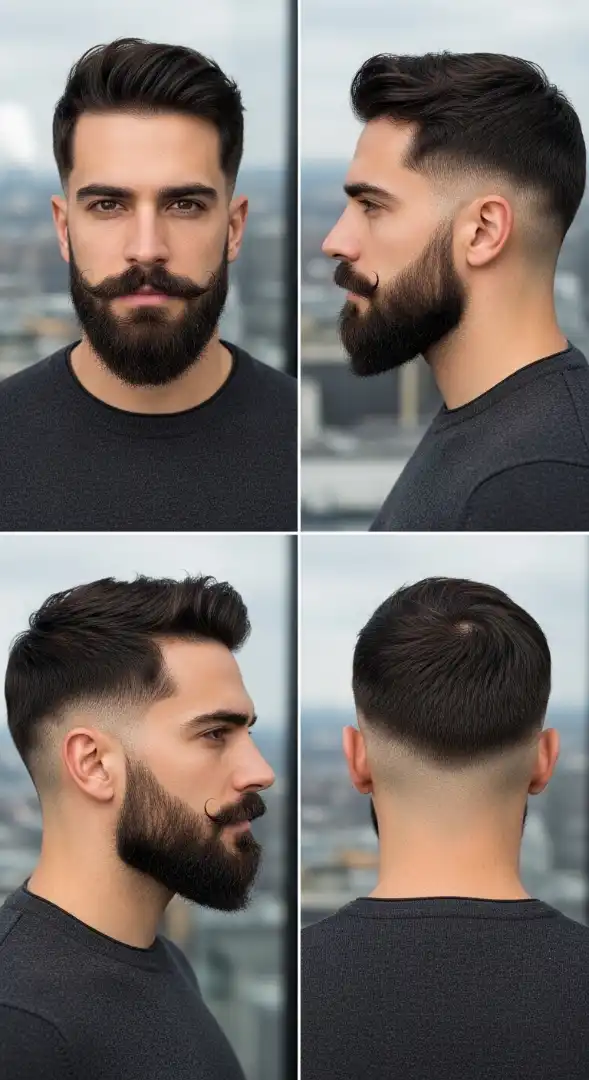
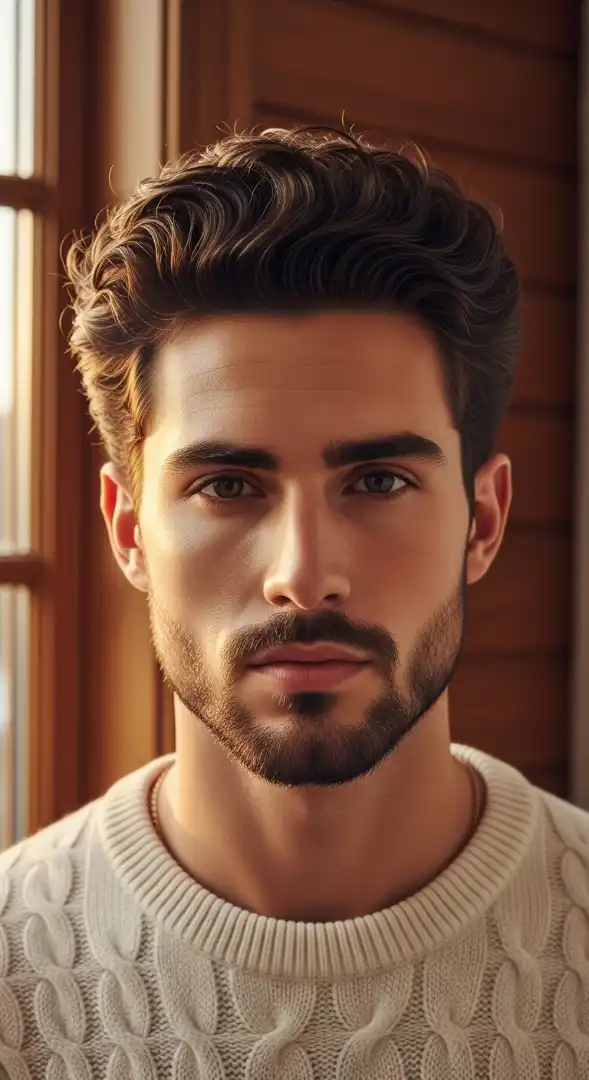
1 of 13 — The Mediterranean Flow Master

Expert Analysis: Medium Flow Styling
This sophisticated medium-length cut represents the sweet spot between professional polish and relaxed European style. The 4-5 inch layered top creates natural movement without requiring aggressive product application, while the subtle taper on the sides maintains clean lines without the harsh contrast of modern fades.
Best Face Shapes for This Style
The Mediterranean Flow Master excels on oval and diamond face shapes. The center part creates visual balance by drawing the eye horizontally across the face, which counteracts the narrowness of diamond faces. For oval faces, the added width at the temples from the swept waves creates ideal proportions. The medium length softens angular jawlines while the natural wave pattern prevents the style from adding unwanted height to already-elongated faces. Square faces benefit from the softening effect of the textured waves, which reduces the prominence of strong jaw angles.
Professional Grooming Requirements
Essential tools for maintaining this cut: Andis Master clipper for perimeter cleanup, Wahl Detailer for neckline precision, and a boar bristle brush for daily wave training. Product arsenal includes Uppercut Deluxe Sea Salt Spray for texture enhancement, Layrite Natural Matte Cream for hold without shine, and Beardbrand Utility Oil for stubble conditioning. A wide-tooth Kent comb is non-negotiable for detangling without disrupting wave pattern. Invest in a microfiber towel to prevent frizz during the drying phase.
Maintenance Reality Check
This is a medium-maintenance style requiring salon visits every 4-5 weeks to maintain the layered structure and prevent the dreaded triangle effect. Daily commitment: 8-12 minutes for proper styling. Morning routine involves damp application of sea salt spray, blow-drying with fingers for volume direction, then finishing with matte cream worked through mid-lengths. Evening beard oil application takes 2 minutes. Weekly deep conditioning prevents the dryness that kills wave definition. Not ideal for rushed morning routines or frequent travelers without styling access.
Barber Communication Script
“I want a medium-length textured cut with the top left at 4 to 5 inches. Keep it longest at the crown and layer progressively shorter toward the hairline. Use point-cutting technique throughout for natural texture — no blunt lines. The sides should be a low taper starting with a number 3 guard at the temple, blending up into the top length using scissor-over-comb work. Leave the sides long enough to sweep back — not a disconnect. Clean up the neckline with a number 1 taper, but keep it soft, not blocked. For the beard, trim to 5mm length and blend the sideburns into the taper seamlessly. I want to be able to center-part this and let it flow naturally to both sides.”
If you’re ready to commit to European sophistication, the next style takes medium length into bolder territory with structured volume.
Frequently Asked Questions
How often do I need to wash medium-length wavy hair like this?
Wash every 2-3 days maximum to preserve natural oils that define wave pattern. Over-washing strips essential sebum, causing frizz and loss of texture. Use sulfate-free shampoo on wash days and co-wash (conditioner only) on alternate days. Mediterranean-textured hair thrives on this schedule because it maintains the slight weight that keeps waves from becoming unruly. Apply leave-in conditioner to damp hair post-shower to seal cuticles.
What’s the difference between this style and a regular medium-length cut?
This style features intentional layering using point-cutting technique, creating internal texture that prevents the flat, triangle-shaped bulk common in standard medium cuts. Regular cuts often use blunt scissor work, resulting in uniform weight that hangs lifelessly. The Mediterranean Flow Master incorporates graduated layers that remove weight strategically while maintaining density at the crown, enabling natural wave formation. The taper integration also differs — this connects subtly to longer sides rather than creating a hard disconnect.
Can I pull my hair back into a bun with this length?
At 4-5 inches, you’re in the awkward transition zone where a full bun isn’t quite achievable but a half-up style or low man bun works well. Use a fabric hair tie (never elastic rubber bands that cause breakage) and embrace the textured, slightly messy aesthetic. Some shorter layers will escape, which actually enhances the relaxed Mediterranean vibe. Full bun capability requires 6+ inches of length. Consider this style the foundation — grow it out another 2-3 months if bun versatility is your goal.
What products prevent this style from looking greasy by midday?
Oil buildup happens when you use too much product or apply it incorrectly. Work with damp hair (60% dry), never soaking wet or completely dry. Emulsify matte cream between palms thoroughly before application — start at the back and work forward, keeping product away from roots. Use sea salt spray as your primary product for texture and only add cream sparingly to ends for definition. Layrite Natural Matte Cream and American Crew Fiber are formulated to absorb oil rather than contribute shine. Avoid pomades entirely.
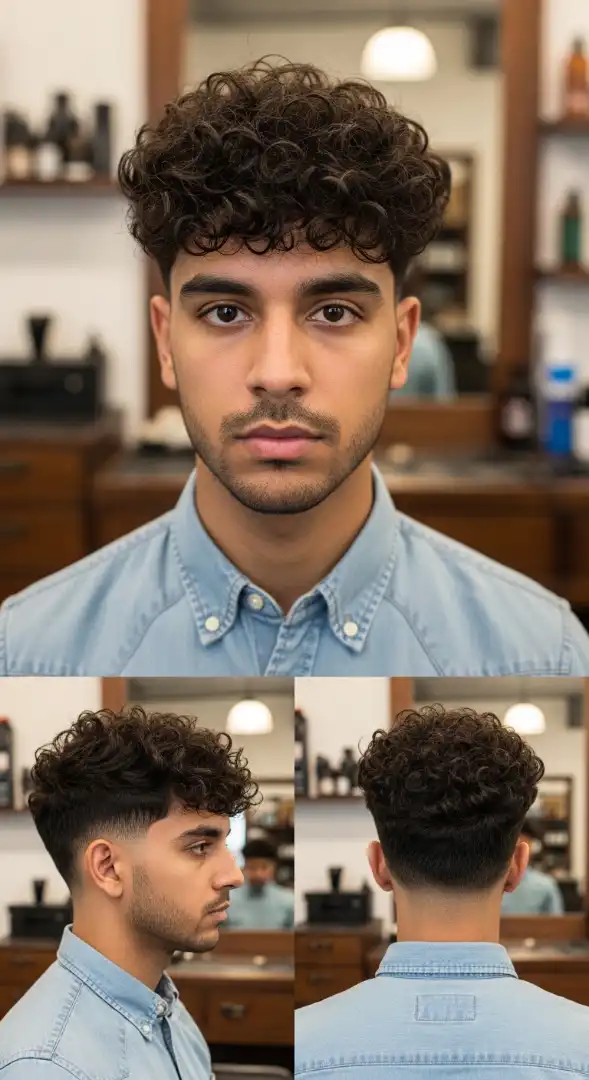
2 of 13 — The Textured Quiff Commander
Expert Analysis: Power Quiff Construction
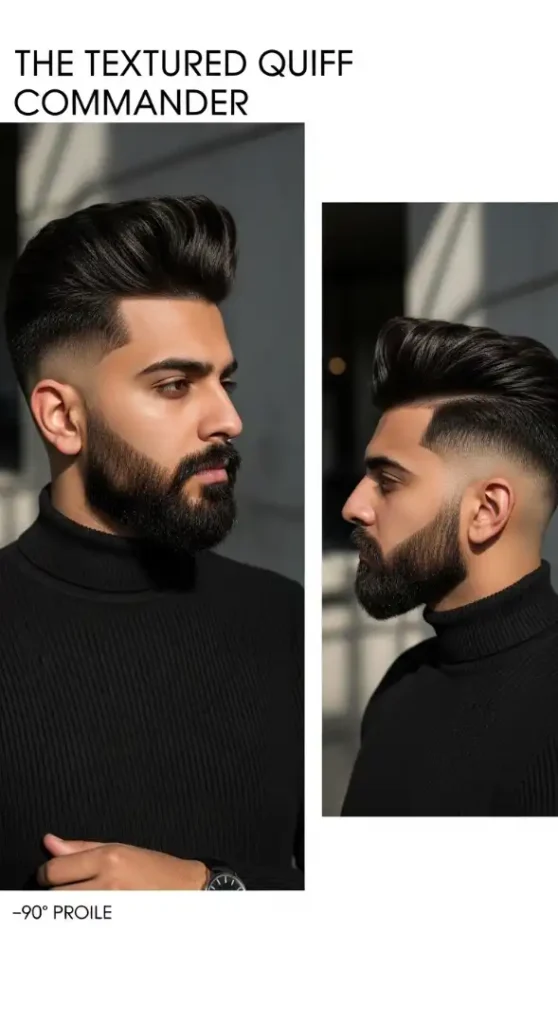
The Textured Quiff Commander bridges the gap between classic pompadour formality and modern textured movement. This style makes an immediate impression in boardrooms and creative spaces alike, projecting authority without the rigidity of traditional slick-back styles. The 5-inch front length provides architectural height while the strategic texturing prevents the dated “helmet hair” effect that plagued 1950s quiffs.
Ideal Face Shape Compatibility
This style is engineered specifically for round and square face shapes. The vertical lift created by the quiff adds 2-3 inches of visual height, elongating round faces by drawing the eye upward away from cheek width. The strong upward sweep creates diagonal lines that soften the horizontal emphasis of square jawlines. Diamond faces gain balance as the voluminous top matches their wider cheekbone area. Avoid if you have an oblong face — the added height will exaggerate length, creating disproportionate appearance. Heart-shaped faces can work this style but need slightly less height at the front to prevent top-heaviness.
Essential Grooming Arsenal
Foundation tools: Wahl Magic Clip for the high fade execution, Andis T-Outliner for edge definition and beard shaping, a round boar bristle brush (2.5-inch barrel minimum) for blow-drying volume. Product lineup demands precision: Suavecito Matte Pomade for the initial lift, American Crew Fiber applied after for separation and hold, and a strong-hold hairspray like Kenra Volume Spray 25 for all-day lock. Beard maintenance requires Scotch Porter Beard Balm and a Kent beard comb for the connected beard blend. A blow dryer with concentrator nozzle attachment is non-negotiable — diffused air will never achieve the directed lift this style requires.
Time and Financial Investment
High-maintenance territory. Plan on visiting your barber every 3 weeks to maintain the fade crispness and prevent awkward grow-out phases where the taper loses definition. Daily styling commitment: 15-20 minutes, non-negotiable. Morning routine: towel-dry to 70% dampness, apply matte pomade to roots, blow-dry upward and back using the round brush, working in 2-inch sections from back to front. Once dry, emulsify fiber between palms and piece out texture. Finish with hairspray. The connected beard requires 5 minutes of daily oil application and combing. Budget approximately $60-80 per cut if you’re seeing a skilled fade specialist. This is not a low-effort style.
Barber Chair Instructions
“I want a textured quiff with about 5 inches of length at the front, tapering down to 3 inches at the crown. Leave the top dense enough to support volume — don’t over-thin it. Create a strong side part on my left side. The sides need a high fade starting with a skin fade at the temple line, blending into a number 2 guard at the parietal ridge, then scissor-blend into the top. Keep the fade tight and crisp — I want clean contrast. Use point-cutting on top to create separation and texture, but maintain enough weight for the quiff to hold its shape. For the beard, keep it at 10mm length, square off the bottom line, and blend the sideburns directly into the fade with no gap. Clean up the cheek line to match my natural growth pattern but slightly lower.”
The next style drops the formality while keeping the medium length drama.
Frequently Asked Questions
How do I get my quiff to stay up all day without going flat?
The secret is in the blow-drying phase, not just product. Apply matte pomade to damp roots, then blow-dry upward and back using a round brush, over-directing the hair past where you want it to land. This creates “memory” in the hair shaft. Let it cool completely in the exaggerated position before applying fiber for texture. The cooling phase allows the hydrogen bonds in the hair to reset in the lifted position. Finish with strong-hold hairspray on the underside of the quiff for invisible support. Reapplication isn’t needed if executed correctly.
What’s the difference between a quiff and a pompadour?
A pompadour sweeps all the hair straight back uniformly with a smooth surface finish, typically requiring heavy pomade for a wet-look shine. A quiff lifts the front section upward and slightly back while maintaining texture and separation throughout, using matte products for a modern dry finish. Pompadours are symmetrical; quiffs often incorporate a side part for added dimension. Think Elvis (pompadour) versus modern David Beckham (quiff). The quiff allows for more creative styling variation day-to-day, while pompadours demand consistency.
Can I achieve this style with naturally thin or fine hair?
Yes, but with modifications. Fine hair actually holds lifted styles better because it’s lighter, but you’ll need volumizing products applied to roots before blow-drying. Use a texturizing spray like Ouai Wave Spray on damp hair, then proceed with the standard blow-drying technique. Avoid heavy products that weigh fine hair down — opt for mousse at roots and lightweight fiber cream for texture. Request slightly shorter length (4 inches vs 5 inches) to prevent limpness. Fine hair shows fade work beautifully, so the contrast sides will be sharp.
How often should I trim my connected beard to match this haircut?
Every 7-10 days for beard maintenance between haircuts. Use a quality trimmer like the Philips Norelco 9000 set to 10mm. The key is maintaining the blend point where beard meets sideburn meets fade — this area grows fastest and loses definition quickly. Keep the cheek line and neckline cleaned up weekly with your T-Outliner. The bottom edge can go 2-3 weeks between reshaping. Apply beard oil daily to maintain texture that complements the matte hair finish rather than clashing with shine.
Pinterest Pin Pack
Pin Title: 13 Commanding Quiffs Every Professional Should Master This Season
Pin Description: Master the modern textured quiff with this comprehensive guide featuring exact blow-drying technique, product layering strategy, and barber communication script. Perfect for professionals who need commanding presence in any room. Works best on round and square face shapes. Includes high fade execution tips and daily 15-minute styling routine breakdown. Save this before your next cut.
Hashtags: #QuiffHaircut #MensHairstyles #TexturedQuiff #MensGrooming #FadeHaircut #Barbershop #MensStyle #BarberLife #ModernQuiff #HighFade #ProfessionalStyle #MensHairInspo #GroomingTips #MENXSTYLE #BusinessCasual #SharpStyle #ExecutiveGrooming #MensHaircut #FadeCut #TexturedHair
CTA Line: Screenshot this styling roadmap — your barber needs to see these angles before cutting.
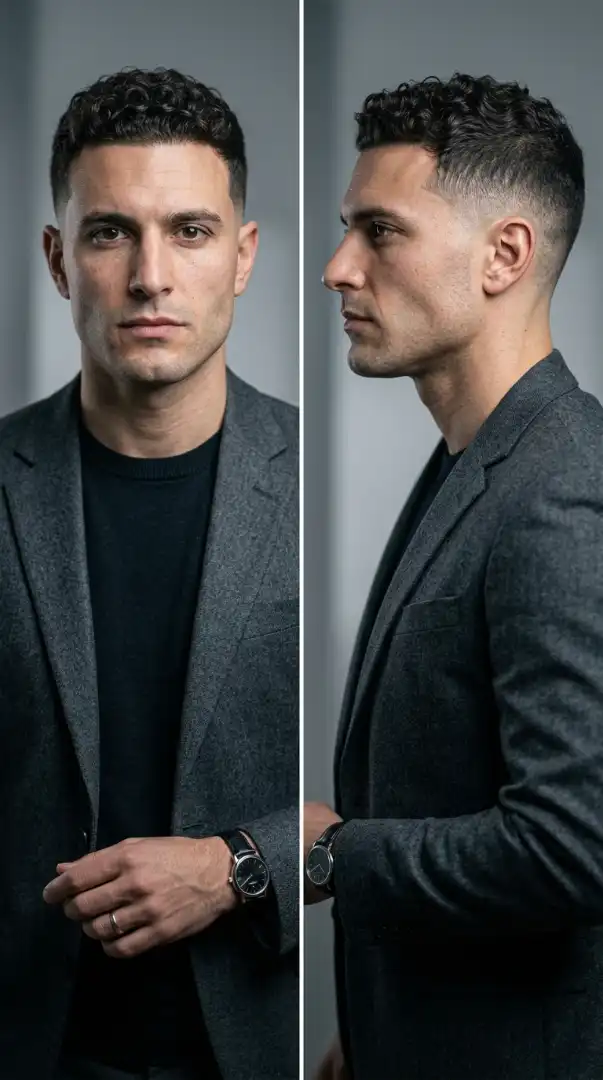
3 of 13 — The Layered Fringe Rebel
Expert Analysis: Forward Movement Styling
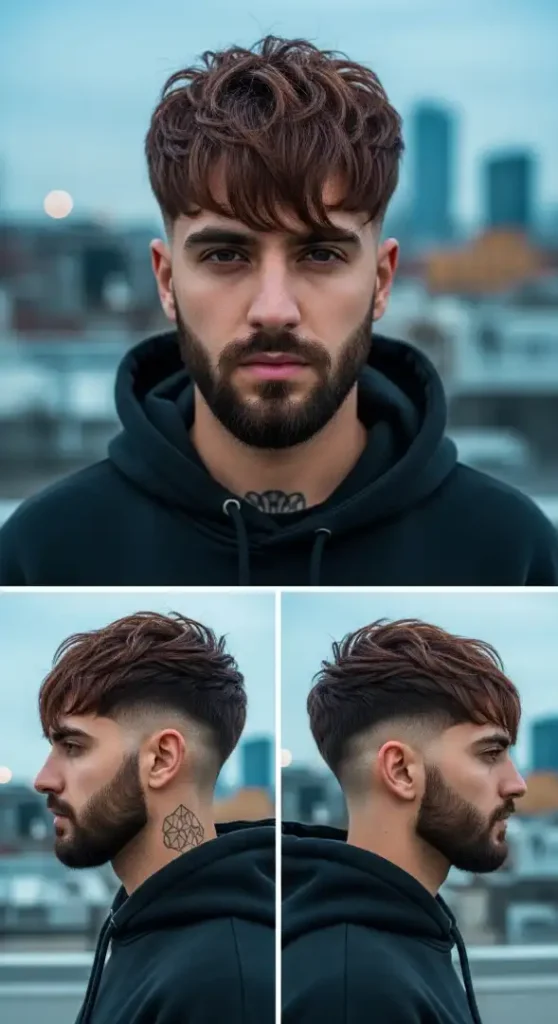
The Layered Fringe Rebel challenges the backward-swept dominance in men’s styling by embracing intentional forward weight. This cut thrives in creative industries where individuality outranks corporate conformity. The choppy layers create dimension that prevents the flat, heavy appearance of traditional bangs while the strategic length stops just shy of obscuring vision — functional rebellion rather than impractical statement.
Face Shape Strategy
This style is a weapon for oblong and rectangular faces. The horizontal line created by the fringe cuts visual height, balancing elongated proportions by adding width at the forehead. The forward weight also softens prominent foreheads, making them less dominant. Oval faces work well because the style doesn’t disrupt their natural balance — the fringe adds interest without creating disproportion. Avoid if you have a short or round face — the forward fringe will compress facial proportions further, making the face appear wider and shorter. Diamond faces can pull this off if the fringe is kept slightly longer to avoid emphasizing narrow chin points.
Required Grooming Tools
Core equipment: Andis Master clipper for mid fade precision, BaByliss Pro FX Trimmer for beard detail and edge work, a vented paddle brush for blow-drying without excessive smoothing. Product regiment centers on texture: Hanz de Fuko Claymation for matte separation, Bumble and bumble Surf Spray for pre-styling volume, and a light-hold hairspray like Oribe Superfine for movement retention without stiffness. Beard maintenance requires Honest Amish Beard Balm and a dual-sided comb (wide teeth for detangling, fine teeth for shaping). Investing in quality scissors for home trim touch-ups between cuts extends the style life — Matsui Precision Shears in 6-inch length work well for fringe maintenance.
Maintenance Breakdown
Medium-maintenance classification. Barber visits every 4 weeks keep the fringe from growing past functional length and the mid fade from washing out. Daily styling time: 10-15 minutes. Morning routine: spray damp hair with surf spray, rough-dry with paddle brush pushing hair forward and to the side, apply claymation by scrunching into mid-lengths and ends (avoid roots or you’ll lose volume), then use fingers to piece out separation. The beard needs 3 minutes daily for balm application and shaping. Weekly fringe trim maintenance at home (just the tips to prevent eye obstruction) extends barbershop visit intervals. This style tolerates rushed mornings better than structured quiffs — messy execution actually enhances the aesthetic.
Barber Execution Script
“I want a forward-moving layered fringe with choppy texture. Leave the front at eyebrow length and layer progressively shorter toward the back, ending at about 4 inches at the crown. Use point-cutting and slide-cutting techniques to remove weight and create separation — I want visible individual layers, not a blunt fringe. Side-sweep the fringe slightly to my right. The sides should be a mid fade starting with a number 1 guard at the temple, blending up into a number 3 at the parietal ridge, then scissor-over-comb into the top length. Leave enough length on the sides that they can push forward slightly — not slicked back. Taper the neckline with a number 0.5, keeping it soft and natural. For the beard, maintain 8mm length, keep the neckline clean but not too high, and blend the sideburns directly into the fade. I want the beard to flow naturally into the haircut without any hard lines.”
If forward momentum speaks to your style, the next cut doubles down on volume with architectural precision.
Frequently Asked Questions
How do I prevent my fringe from looking greasy by afternoon?
Start with less product than you think you need — over-application is the primary culprit. Apply texture products to 70% dry hair, never soaking wet or completely dry. Focus application on mid-lengths and ends, avoiding the root area entirely where sebaceous glands produce natural oil. Use a sea salt spray as your base product for texture without weight, then add clay sparingly only where you need hold. Wash your hair every other day maximum to avoid stripping natural oils that actually help prevent overproduction. Blot with blotting papers designed for skin if emergency midday fixes are needed.
Can this style work with straight hair or does it require waves?
Straight hair can absolutely pull off this style — it just requires different product strategy. Straight hair will naturally fall forward with gravity assist, so you’ll need less styling effort. The key is requesting the same choppy layering to prevent a blunt, heavy curtain effect. Use volumizing mousse at roots and a texturizing spray throughout to create artificial separation that wavy hair gets naturally. Blow-dry with your head flipped forward to build lift, then flip back and direct forward with your fingers. Straight hair actually shows the layer work more dramatically.
What’s the difference between this layered fringe and traditional bangs?
Traditional bangs are cut bluntly across a single horizontal line with uniform length and density, creating a heavy, solid appearance that requires frequent trims to prevent eye obstruction. The layered fringe uses graduated cutting techniques with multiple length variations throughout, removing internal weight while maintaining length. This creates movement, texture, and a less maintained appearance. Traditional bangs say “intentionally styled,” while layered fringes say “effortlessly cool.” The maintenance schedule differs too — traditional bangs need trimming every 2-3 weeks, while layered fringes tolerate 4-week intervals because the irregular lengths disguise growth.
How do I style this if I want to push my hair back for formal events?
Apply a light pomade like Uppercut Deluxe or Suavecito Original to damp hair, then blow-dry back using a round brush or your hand. The layering will create texture even when pushed back rather than the slick uniformity of an undercut. Use a stronger hold product at the hairline to prevent the fringe from falling forward throughout the event. The mid fade sides actually work better for pushed-back styling than high fades because there’s more length to work with. The key is working with your hair’s forward growth pattern rather than fighting it — slight forward momentum even when pushed back adds character.
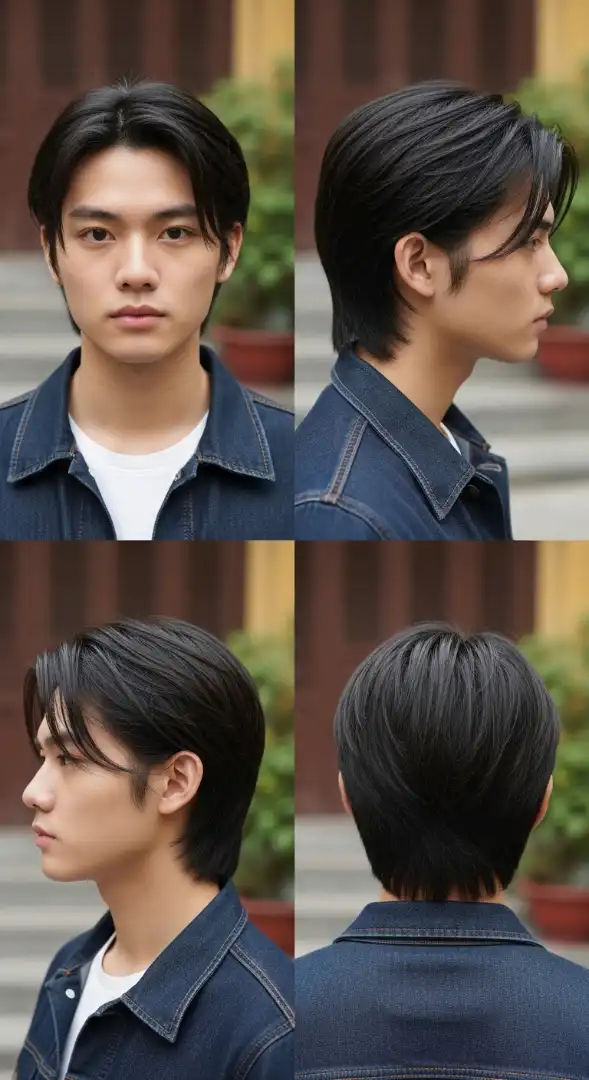
4 of 13 — The Executive Side Part
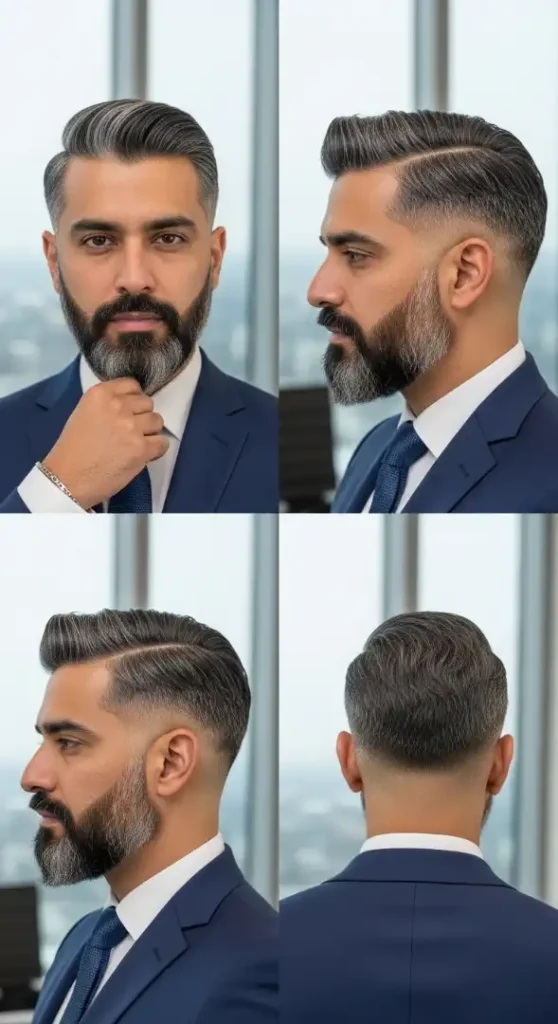
Expert Analysis: Corporate Authority Styling
The Executive Side Part represents timeless professional grooming adapted for contemporary business environments. This style communicates competence, attention to detail, and respect for traditional standards while incorporating modern taper techniques that prevent the dated “insurance salesman” stereotype. The salt and pepper coloring adds gravitas — this is the cut of someone who’s earned their position.
Optimal Face Shape Alignment
This style universally flatters most face shapes due to its adaptable nature. Square faces benefit from the diagonal line created by the side part, which breaks up the horizontal emphasis of the jawline. The swept volume adds asymmetry that softens angular features. Oval faces maintain their ideal proportions with this balanced style. Round faces gain the illusion of length from the side part’s vertical line and the subtle height in the swept hair. Diamond faces see their wider cheekbones balanced by the fuller swept side. The only challenge comes with oblong faces — keep volume moderate to avoid adding unwanted height, and consider a slightly lower part placement to create horizontal visual interest.
Professional Grooming Toolkit
Foundation equipment: Oster Classic 76 clipper for precise taper work, Wahl Peanut trimmer for beard line maintenance and edge detail, a fine-tooth Kent comb for perfect part placement and combing. Product selection emphasizes control with natural finish: American Crew Classic Grooming Cream for medium hold and slight shine appropriate for professional settings, Uppercut Deluxe Pomade for stronger hold when needed, and a finishing spray like Paul Mitchell Freeze and Shine for all-day hold without crunch. Beard grooming requires Scotch Porter Beard Serum and precision trimming scissors for maintaining the corporate-length beard that complements rather than dominates.
Time Investment Analysis
Low to medium maintenance. Barbershop visits every 3-4 weeks maintain the taper’s clean lines and prevent the top from losing its ideal length for side-swept styling. Daily routine: 8-12 minutes. Morning execution: apply grooming cream to towel-dried hair, comb from part line to the opposite side with firm strokes, blow-dry on low heat following the comb direction to set the style. Once dry, apply a small amount of pomade for additional hold if needed. The side part placement should be re-established daily with a comb — consistency in placement is key to the polished appearance. Beard maintenance takes 3 minutes for serum application and combing. This style tolerates busy mornings well once the routine is established.
Barber Communication Blueprint
“I want a professional side part with the top at 4 inches, keeping maximum length at the part line and graduating slightly shorter as it moves across. Create a sharp, clean part on my left side — use the recession at my temple as the natural starting point. Comb everything to the right side. The sides should be a low taper starting with a number 3 guard at the temple, blending down to a number 2 at the ear, then number 1.5 at the neckline. Use scissor-over-comb technique for the blend into the top — I want seamless transition, no shelf. Keep the taper conservative and professional. Neckline should be rounded and natural, not blocked or squared. For the beard, maintain 6mm length throughout, create a clean cheek line that follows my natural growth pattern but slightly lower for definition. Keep the neckline just above the Adam’s apple. Blend the sideburns directly into the taper so there’s no gap or hard line.”
The next style maintains professional polish while introducing modern texture for younger executives.
Frequently Asked Questions
How do I maintain this style when traveling for business?
Pack a travel-sized grooming cream, a fine-tooth comb, and a small blow dryer (hotel dryers often lack concentrator nozzles needed for precise styling). The key is establishing the side part immediately after towel-drying — don’t let your hair air dry without direction or it will set in the wrong pattern. Apply product to damp hair, comb firmly from part to opposite side, then blow-dry following that direction. In a pinch, you can skip blow-drying if you’ve applied enough product to set the style as it air dries. Keep a backup comb in your briefcase for midday touchups.
What’s the difference between this and a traditional slick-back?
A slick-back combs all hair uniformly backward from the hairline with heavy product creating a smooth, wet-look finish. The Executive Side Part incorporates a defined side part and sweeps hair laterally across the head rather than straight back, using moderate product for a more natural, less severe appearance. Slick-backs project old-school formality appropriate for black-tie events, while side parts communicate modern professional competence suitable for contemporary business environments. The side part also offers more styling flexibility — you can adjust volume and texture day-to-day.
Can I pull off this style with a receding hairline?
Absolutely — in fact, this style is ideal for managing recession. The side part placement should incorporate your temple recession rather than fight it. Position the part at or slightly behind the recession point so the swept hair flows naturally from a stable hairline rather than trying to cover receded areas. The salt and pepper coloring actually enhances this strategy by normalizing age-related hair changes rather than attempting to hide them. Avoid creating a part too far forward or you’ll emphasize rather than work with the recession.
How much product creates the right level of shine for professional settings?
Start with a dime-sized amount of grooming cream for the entire top section — less is more. You want subtle sheen that suggests health and grooming attention, not excessive shine that looks greasy or dated. The product should be barely visible. If you can see product buildup or your hair looks wet after styling, you’ve used too much. Emulsify thoroughly between palms before application and focus on roots for control, then lightly work through to ends. Add more only if needed for hold, never for shine.
5 of 13 — The Wavy Volume Beast
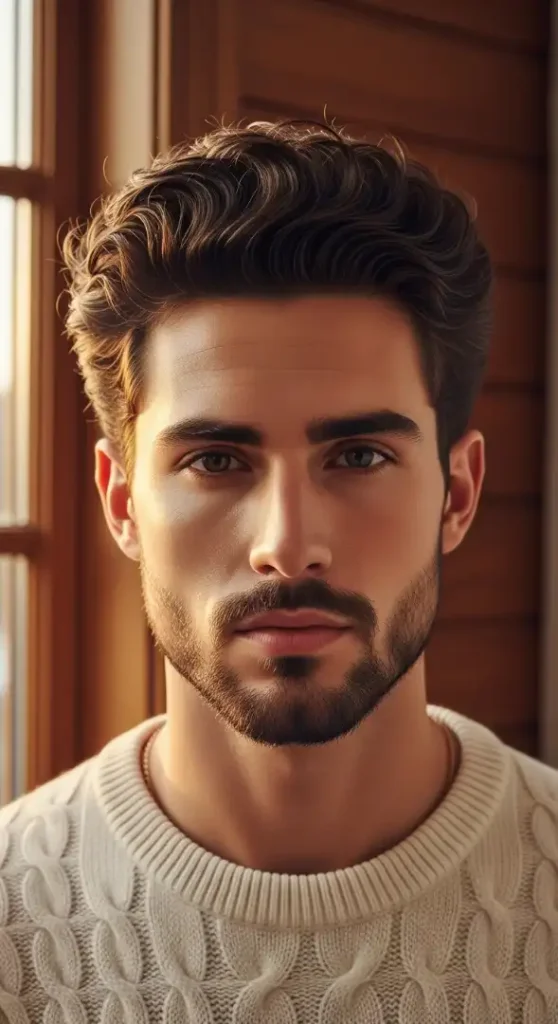
Expert Analysis: Natural Volume Maximization
The Wavy Volume Beast celebrates natural texture rather than fighting it. This cut is engineered for men with naturally wavy to curly hair who’ve spent years trying to flatten their texture into submission. By embracing and enhancing the natural wave pattern with strategic length and minimal product, this style projects effortless confidence and masculine energy without appearing overly styled or manufactured.
Face Shape Recommendations
This high-volume style works exceptionally well for diamond and heart-shaped faces. The full, wide top section balances narrower chin points characteristic of both shapes, creating more proportional overall appearance. The natural volume adds width at the crown that diamond faces need to balance their wider cheekbones. Oval faces can wear this style successfully because they accommodate volume without distortion. Square faces benefit from the softening effect of the textured waves, which reduces the severity of angular jaw lines. Avoid if you have a round face — the added width at the sides will emphasize facial roundness. Long or oblong faces should proceed with caution; the volume adds height that can exaggerate length, though keeping the sides slightly shorter can mitigate this effect.
Essential Product Arsenal
Core tools: Wahl Senior clipper for undercut precision, Andis ProFoil Shaver for clean edge work, a wide-tooth shower comb for detangling without disrupting wave pattern. Product strategy focuses on enhancement rather than control: Bumble and bumble Curl Defining Creme for wave definition, Sea Salt Spray for texture without crunch, and a light curl cream like DevaCurl SuperCream for moisture and frizz control. Avoid heavy pomades or gels that weigh waves down or create stiff, crunchy texture. A microfiber towel or cotton t-shirt for drying prevents frizz that regular towels cause. The stubble beard requires minimal maintenance: a quality trimmer like Philips OneBlade and basic beard oil for conditioning.
Realistic Maintenance Expectations
Medium maintenance classification. Salon visits every 5-6 weeks maintain the shape and prevent the triangle effect that plagues growing wavy hair. Daily styling time: 5-10 minutes — this is one of the lower-maintenance styles on this list because you’re working with natural texture rather than forcing hair into unnatural shapes. Morning routine: apply curl defining cream to soaking wet hair, scrunch upward to encourage wave formation, then air dry or diffuse on low heat. The key is minimal manipulation — let your waves do the work. Refresh on non-wash days with a light misting of sea salt spray and gentle scrunching. This style actually improves slightly as natural oils accumulate, so washing every 2-3 days yields better results than daily washing.
Barber Instruction Manual
“I want to maximize my natural wave texture with a cut that’s 5 to 6 inches throughout the top and crown — keep it uniform length so waves form consistently. Don’t thin it out too much; I need enough density for the waves to have body. Use point-cutting on the ends to remove any blunt weight that might drag the waves down. The sides should be an undercut fade starting with skin at the temple line, blending into a number 2 guard at the parietal ridge where it meets the top. Keep the fade smooth but not too high — I want the contrast to frame the volume, not compete with it. Square off the neckline and keep it clean with a number 1 taper. For the beard, just clean up the cheek line and neckline to keep it looking maintained but natural — I’m keeping the stubble short intentionally.”
Next up is a style that channels vintage cool with modern execution.
Frequently Asked Questions
How do I prevent frizz with naturally wavy hair like this?
Frizz is caused by moisture imbalance and friction. Never use regular cotton towels to dry your hair — the rough texture raises the cuticle and creates frizz. Switch to microfiber towels or an old cotton t-shirt, and scrunch water out rather than rubbing. Apply curl-defining products to soaking wet hair immediately after showering when the cuticle is still smooth and receptive. Avoid touching your hair while it air dries — every touch disrupts the wave pattern and creates frizz. Sleep on a silk or satin pillowcase to reduce nighttime friction. Weekly deep conditioning masks restore moisture balance.
Should I comb or brush wavy hair like this style?
Never brush dry wavy hair — it will destroy the wave pattern and create frizz. Use a wide-tooth comb in the shower while conditioner is in your hair to detangle gently. After styling, use only your fingers to adjust or refresh. If you must use a comb on dry hair, use a very wide-tooth pick and work only on the roots for lift, never through the lengths. Many guys with this style don’t own a brush at all — it’s simply not necessary and often counterproductive. The waves need to clump naturally, and combs/brushes separate those clumps.
Can I get this style if my waves are looser or tighter than shown?
Yes, the principles adapt across the wave spectrum. Looser waves (2A-2B) will need more product to encourage definition and may require diffusing to set. Tighter waves (2C-3A) will naturally have more volume and may need slightly shorter length (4-5 inches) to prevent excessive bulk. The key modification is product choice: looser waves need stronger hold curl creams, while tighter waves need more moisture-focused products. Consult with a stylist experienced in curly/wavy texture to adjust the length proportions for your specific wave pattern.
How often should I wash high-volume wavy hair?
Every 2-3 days maximum for most guys, potentially extending to 4-5 days as your scalp adjusts to less frequent washing. Wavy hair is naturally drier than straight hair because oils from the scalp don’t travel down the S-shaped hair shaft as easily. Over-washing strips essential oils and leads to more frizz and dryness. Use sulfate-free shampoo when you do wash, and consider co-washing (conditioner only) on alternate days. Your waves actually look better on day 2-3 hair when natural oils have accumulated slightly. Refresh with water mist and product reactivation rather than washing.
6 of 13 — The Slick Modern Pompadour
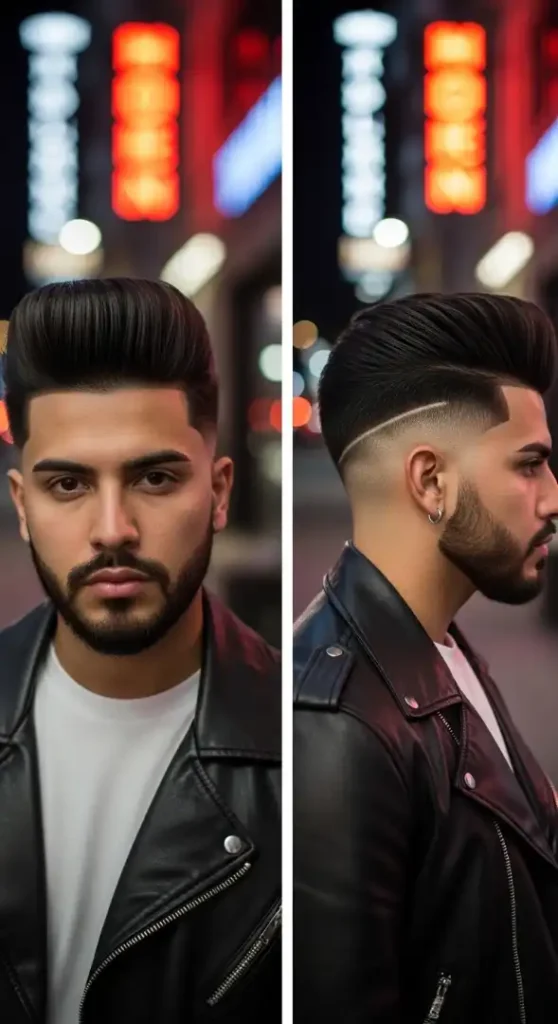
Expert Analysis: Elevated Rockabilly
The Slick Modern Pompadour resurrects vintage cool through contemporary execution. This isn’t your grandfather’s greaser style — the high skin fade and precise line work modernize the classic silhouette while maintaining its inherent swagger. The smooth, shiny finish makes an unapologetic statement: this is a man who invests time in his appearance and isn’t afraid to stand out.
Face Shape Strategy
This style is engineered specifically for round and square face shapes. The dramatic vertical height at the front visually elongates round faces by drawing the eye upward, creating the illusion of length that balances facial width. The backward sweep reduces perceived face width by eliminating horizontal volume at the sides. Square faces benefit from the smooth curves of the pompadour shape, which soften angular jaw lines through visual contrast. Oval faces can pull this off but risk over-elongating proportions — keep height moderate (3-4 inches vs 4-5 inches). Completely avoid if you have an oblong or rectangular face — the added height will exaggerate facial length to unflattering extremes. Diamond faces can work this style if the height is kept slightly lower to avoid emphasizing narrow chin points.
Required Grooming Equipment
Professional-grade tools essential: Wahl Magic Clip for the high fade precision work, Andis T-Outliner for sharp line work at the fade edges and beard shaping, a fine-tooth styling comb for pompadour shaping. Product regiment centers on hold and shine: Suavecito Original Pomade (firm hold, high shine) as the foundation, Layrite Superhold for extra grip on longer sessions, and Got2b Glued Spray for emergency reinforcement. A blow dryer with concentrator nozzle is mandatory for the initial backward shaping — air drying will never achieve the height this style requires. The box fade beard demands precision: maintain with a quality trimmer at 3-4mm length, and use beard balm like Honest Amish Classic for shaping the squared-off bottom line.
Maintenance Investment
High maintenance territory — be realistic about commitment level before requesting this cut. Barber visits every 2 weeks to maintain the high skin fade’s sharpness and the line work’s precision. The fade loses definition quickly; by week 3 it looks grown out and sloppy. Daily styling time: 20-25 minutes, non-negotiable. Morning routine: apply pomade generously to damp hair, blow-dry backward and upward using the styling comb as a guide to create the shape and height, apply second layer of pomade once dry for surface smoothness and shine, finish with strong-hold hairspray. The beard requires 5 minutes daily for trimming stray hairs that disrupt the box shape and applying balm for shaping. Budget $80-100 per cut from a skilled barber specializing in skin fades. This is not a low-effort style.
Barber Execution Blueprint
“I want a modern pompadour with 4 inches of length at the front, gradually getting shorter toward the crown — ending around 3 inches at the back of the top. Keep the top dense; don’t thin it out or the pompadour won’t hold shape. No part line — I’ll be slicking everything straight back. The sides need a high skin fade starting right at the temple line, going completely bald at the bottom and blending into the top. I want sharp, clean line work where the fade meets the top — crisp and defined, not soft. Use a foil shaver for the bottom of the fade to get it completely smooth. Taper the neckline to skin and keep it squared, not rounded. For the beard, keep it at 3mm length, square off the bottom line completely horizontal from jaw point to jaw point, and connect the sideburns directly into the fade with no gap. The cheek line should be crisp and follow my natural line but slightly lower for definition.”
The next style trades polish for intentional texture and lived-in cool.
Frequently Asked Questions
How do I keep my pompadour from falling flat throughout the day?
The secret is in layering products and using the right blow-drying technique. Apply firm-hold pomade to damp hair (not soaking wet), then blow-dry backward and upward using a comb to direct the hair past where you ultimately want it to sit — overdirect it. This creates stronger lift. Once completely dry and cool, apply a second thin layer of pomade just to the surface for shine and add control. Finish with strong-hold hairspray on the underside of the pompadour (lift it up and spray underneath). The cooling phase is critical — if you apply finishing products while hair is still warm, they won’t set properly.
What’s the difference between a pompadour and a quiff?
A pompadour sweeps all hair uniformly straight back from the hairline with the highest point at the front, gradually sloping down to the crown. There’s no side part, and the style creates a smooth, unified shape. A quiff lifts the front section upward and slightly back while often incorporating a side part, and it typically features more texture and separation rather than a smooth surface. Pompadours are sleeker and more formal, using heavier pomade for shine. Quiffs are more casual and textured, using matte products. Think 1950s Elvis (pompadour) versus modern David Beckham (quiff).
Can I achieve this with naturally curly or wavy hair?
Yes, but it requires more blow-drying effort and stronger-hold products. The key is straightening the hair during the blow-drying phase using high heat and constant combing/brushing tension to temporarily relax the wave or curl pattern. Naturally textured hair actually holds pompadour shape better once styled because it has more grip. However, humidity will cause the natural texture to return, making the style less stable in humid climates. Consider using a flat iron after blow-drying for maximum smoothness if you have pronounced waves or curls. Stronger pomades with more wax content (like Murray’s or Sweet Georgia Brown) provide better hold for textured hair.
How often do I need to maintain the high skin fade?
Every 2 weeks maximum for optimal appearance. The high skin fade is one of the fastest-growing fade styles because the contrast between the bald portion and the longer top is so dramatic. By week 2, you’ll notice the bottom is no longer truly “skin” — stubble becomes visible. By week 3, the fade looks grown out and the style loses its modern edge. Some guys get weekly touch-ups if they’re maintaining absolute precision for special events or professional requirements. Between cuts, you can use a personal trimmer to clean up the very bottom edge and neckline, but leave the actual fade blending to your barber.
7 of 13 — The Messy Textured Crop
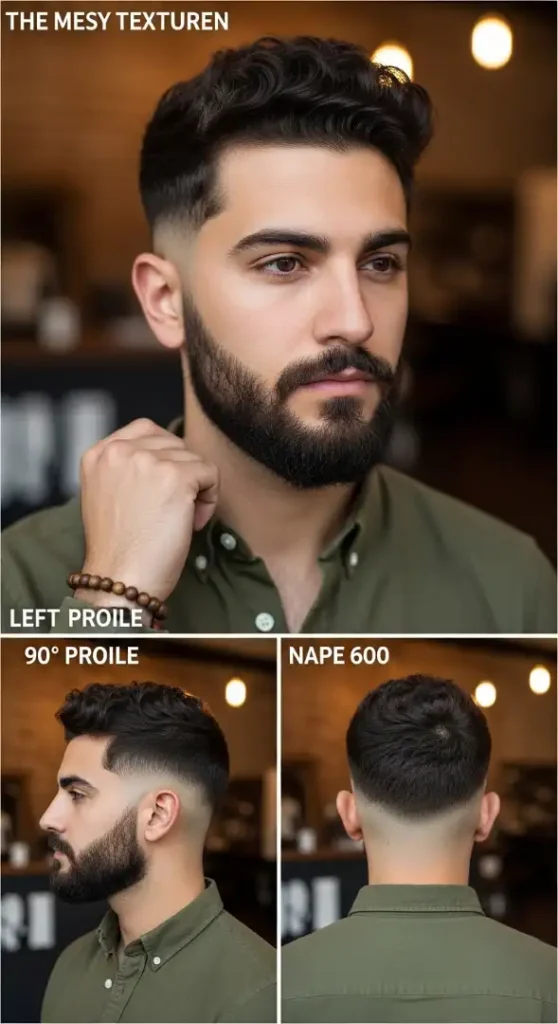
Expert Analysis: Low-Effort Maximum Impact
The Messy Textured Crop represents the antithesis of high-maintenance styling. Designed for natural texture and embracing inherent coil patterns, this cut projects confident nonchalance. The intentionally disheveled appearance paradoxically requires expert cutting technique — the “messy” look is carefully engineered through strategic layering and texturing that allows hair to fall naturally into attractive disorder.
Face Shape Optimization
This versatile style flatters nearly all face shapes with minor adjustments. Round faces benefit from the cropped length that doesn’t add width while the textured top creates vertical interest. The forward-and-up movement draws the eye toward the hairline, elongating the face. Square faces gain softening from the organic, irregular texture that contrasts with angular jaw lines. Oval faces maintain their balanced proportions — this style simply adds character without disrupting natural harmony. Diamond faces see their wider cheekbones balanced by the voluminous textured top. The only consideration for oblong faces is keeping the height moderate to avoid exaggerating length, which is naturally controlled by the short crop length. Heart-shaped faces should ensure slightly more length at the sides to balance narrower chins.
Essential Tool Kit
Minimal equipment required — part of this style’s appeal: Andis Master clipper for the mid fade, BaByliss Pro Trimmer for neckline cleanup, fingers (your primary styling tool). Product philosophy emphasizes texture without visible product: Hanz de Fuko Claymation for separation, Bumble and bumble Sumotech for piecey texture, and a sea salt spray if you need additional volume. For coily hair specifically, a moisturizing curl cream like Cantu Curl Activator prevents dryness while maintaining definition. The full natural beard requires weekly maintenance: trim to desired length (10-15mm typically), apply quality beard oil like Viking Revolution or Mountaineer Brand, and comb daily with a boar bristle brush to train growth direction and distribute oils.
Time Reality Check
Low maintenance heaven. Barber visits every 4-5 weeks maintain the crop shape and keep the mid fade from washing out completely. Daily styling time: 3-7 minutes — among the fastest styles in this collection. Morning routine: towel dry to 70% dampness, apply small amount of clay to palms and work through hair using fingers to create separation and piece out sections, then simply walk away. No blow dryer necessary for most guys unless you want to enhance volume. The natural texture does the work; you’re just guiding it. Coily hair benefits from leaving some moisture in rather than drying completely. Beard maintenance is 2-3 minutes for oil application and combing. Perfect for minimalists and busy schedules.
Barber Communication Script
“I want a short textured crop with about 3 inches of length on top, keeping it uniform throughout without creating a specific part. Use point-cutting and slide-cutting techniques heavily to remove weight and create intentional texture — I want piece-y separation, not a blunt solid shape. Leave my natural coily texture intact; don’t try to thin it out too much or it’ll lose body. The sides should be a mid fade starting with a number 2 guard at the temple line, blending down to a number 1 at the ear, then to a 0.5 at the neckline. Use scissor-over-comb work for the blend into the top. Keep the neckline rounded and natural with a number 1 taper. For the beard, just clean up the cheek line to follow my natural growth pattern and keep the neckline about one finger-width above my Adam’s apple. I want the beard to look full and natural, just maintained.”
The next style introduces vintage-inspired structure for those ready to embrace bold statement cuts.
Frequently Asked Questions
How do I style coily hair to look intentionally messy rather than unkempt?
The key distinction is intentional piece-y separation versus undefined frizz. Apply texturing product (clay or curl cream) to damp hair, then use your fingers to create small clumps and twists rather than running product through uniformly. Focus on creating varied directions and heights — some sections forward, some up, some to the side. The randomness should look deliberate because the individual pieces are defined. Avoid touching your hair repeatedly after styling, as this disrupts the pieces and creates frizz. The difference between messy and unkempt is definition — you should see individual textured sections, not a fuzzy cloud.
What’s the maintenance difference between a textured crop and a buzz cut?
Both are short, but textured crops maintain enough length (2.5-3.5 inches) to create styling variation and show texture, while buzz cuts are uniform length (typically under 0.5 inches) with no styling options. Textured crops require product and brief daily styling; buzz cuts need zero styling. Maintenance schedules differ: buzz cuts need trimming every 1-2 weeks to maintain uniformity, while textured crops can go 4-5 weeks. Textured crops offer personality and versatility; buzz cuts offer ultimate convenience. Choose based on whether you want styling flexibility or maximum simplicity.
Can I grow this style out into medium length smoothly?
Yes — this crop is an ideal foundation for growing to medium length because it’s already layered and textured. The growth phase will be more manageable than growing from an undercut or fade, which creates awkward length disparities. During the grow-out (months 2-4), the textured layering prevents the bulky triangle effect. Use the same products but increase the amount as length increases. At 4-5 inches, you’ll transition naturally into the wavy volume style or layered fringe territory depending on your desired direction. Maintain the fade on the sides during growth to keep a shaped appearance.
How do I prevent coily hair from getting too dry with daily product use?
Coily hair is naturally drier because scalp oils don’t travel down the tightly-curled hair shaft easily. Combat dryness by: 1) washing hair only 2-3 times per week with sulfate-free shampoo, 2) using leave-in conditioner after every wash, 3) choosing water-based styling products rather than alcohol-heavy ones that strip moisture, 4) weekly deep conditioning treatments, and 5) sleeping on a satin or silk pillowcase to reduce friction. Avoid heavy products that build up and require frequent washing. Light oils like jojoba or argan can be added to damp hair before styling products.
8 of 13 — The Vintage Ivy League
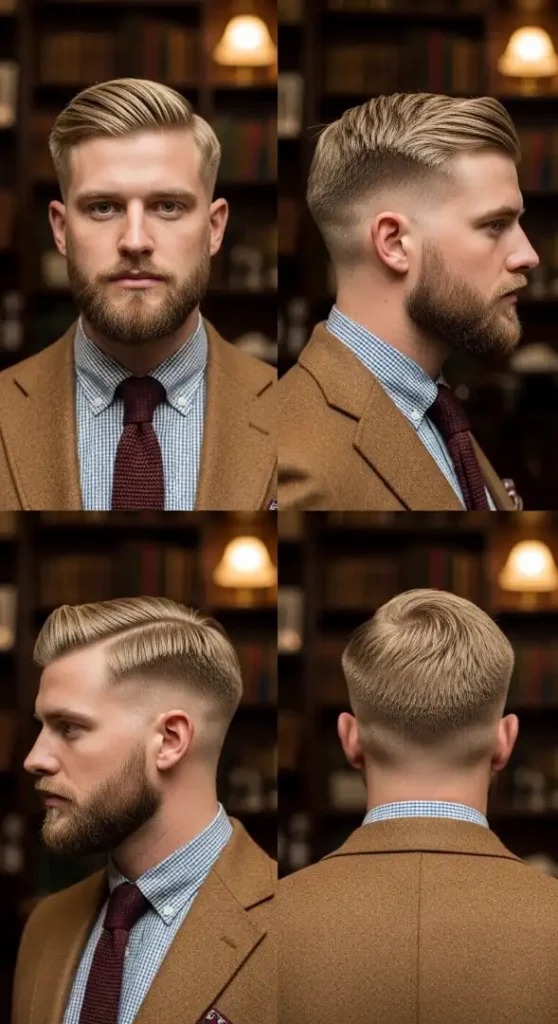
Expert Analysis: Heritage Meets Modern
The Vintage Ivy League represents American barbering heritage at its finest. This conservative cut bridges generations — equally appropriate for a corporate attorney, university professor, or young professional building credibility. The short, tapered length provides clean professionalism while the side part adds distinguished character. This style communicates tradition, reliability, and attention to classic standards.
Face Shape Universality
The Ivy League’s conservative proportions work across nearly all face shapes with minimal modification. Round faces benefit from the side part’s diagonal line, which breaks up circular emphasis and adds definition. The modest height provides slight elongation without drama. Square faces gain softening from the smooth, graduated taper that avoids harsh contrasts. Oval faces maintain their ideal proportions — this classic style simply enhances natural balance. Diamond faces see the moderate top volume balance their wider cheekbone area without creating top-heaviness. Oblong faces should request slightly less length on top (2 inches vs 2.5 inches) to avoid emphasizing facial length. Heart-shaped faces work well with this style’s balanced proportions.
Traditional Grooming Tools
Classic equipment reflecting the style’s heritage: Oster Classic 76 clipper for taper precision, straight razor for neckline definition (though modern trimmers substitute acceptably), a fine-tooth pocket comb in tortoiseshell or metal, boar bristle brush for daily grooming. Product selection emphasizes traditional formulations: Baxter of California Clay Pomade for medium hold without shine, Uppercut Deluxe Matte Pomade as alternative, and classic bay rum aftershave or witch hazel for post-shave conditioning. The groomed beard requires quality trimming scissors, a precision trimmer like Wahl Peanut, and traditional beard oil or balm — preferably sandalwood or cedarwood scented for classic masculine fragrance.
Maintenance Philosophy
Low to medium maintenance with traditional barbershop rhythm. Schedule visits every 3-4 weeks to maintain the taper’s graduation and prevent the top from exceeding ideal length. This cut requires consistent maintenance for optimal appearance — letting it grow out disrupts the classic proportions. Daily styling time: 5-8 minutes. Morning routine: apply pomade to towel-dried hair, create the side part with your comb using firm deliberate strokes, comb hair from part to opposite side with downward angle to create controlled side sweep, gently brush for final smoothing. The beard requires 3-4 minutes for trimming stray hairs and applying oil or balm for maintained appearance.
Barber Communication Framework
“I want a traditional Ivy League cut with about 2.5 inches of length on top, keeping it longest at the front and graduating shorter toward the crown. Create a clean side part on my left side, positioned at the natural recession point at my temple. The sides should be a low taper starting with a number 3 guard at the temple, blending down to number 2 at the ear, then number 1.5 at the bottom. Use scissor-over-comb technique for smooth graduation throughout — no visible lines or shelves, very traditional execution. Block the neckline horizontally rather than rounding it — clean and classic. Keep the taper conservative throughout; I want traditional barbershop proportions, not modern fade work. For the beard, maintain 5mm length, clean crisp lines on the cheek and neck, blend sideburns naturally into the taper. Overall aesthetic should be refined and professional.”
The next style breaks from tradition with contemporary edge and urban energy.
Frequently Asked Questions
What makes an Ivy League cut different from a regular crew cut?
An Ivy League maintains enough length on top (2-3 inches) to comb to the side with a part, while crew cuts are uniformly short (1 inch or less) throughout without enough length for side-swept styling. Ivy Leagues offer styling versatility; crew cuts offer pure simplicity. The taper work is similar, but Ivy Leagues preserve the traditional side part aesthetic associated with mid-century American collegiate style. Crew cuts stand straight up or forward; Ivy Leagues comb deliberately to the side.
Can I style this with a more modern textured look instead of smooth combing?
Absolutely — the Ivy League length is ideal for textured interpretation. Use matte clay instead of traditional pomade, apply to damp hair, and use your fingers to create piece-y separation rather than combing smooth. The side part can remain but appears more casual. This modern variation maintains the classic’s professional appropriateness while adding contemporary edge. Request the same cut but specify you want some texturing through point-cutting to facilitate the messy-textured finish.
Is this style too conservative for creative industries?
Context matters. In advertising, design, or tech startups where casual is standard, this traditional style might read as overly formal unless you modernize the execution with texture or slight length addition. However, even in creative fields, client-facing roles and leadership positions benefit from the credibility this classic style projects. Consider it your “important meeting” haircut that you can texture-up for daily office casual. The refined beard helps modernize the overall appearance and prevents looking dated.
How do I prevent my side part from looking too severe or rigid?
The key is product choice and application technique. Avoid high-shine pomades that create the wet, severe look of 1940s executives. Use matte or low-shine products that provide hold with natural finish. Don’t comb with excessive tension — use firm but relaxed strokes. Allow slight natural volume rather than plastering hair flat to the head. Modern Ivy Leagues have more texture and movement than their historical counterparts. A small amount of sea salt spray mixed with your pomade adds contemporary looseness while maintaining the side-swept direction.
9 of 13 — The Urban Disconnected Undercut
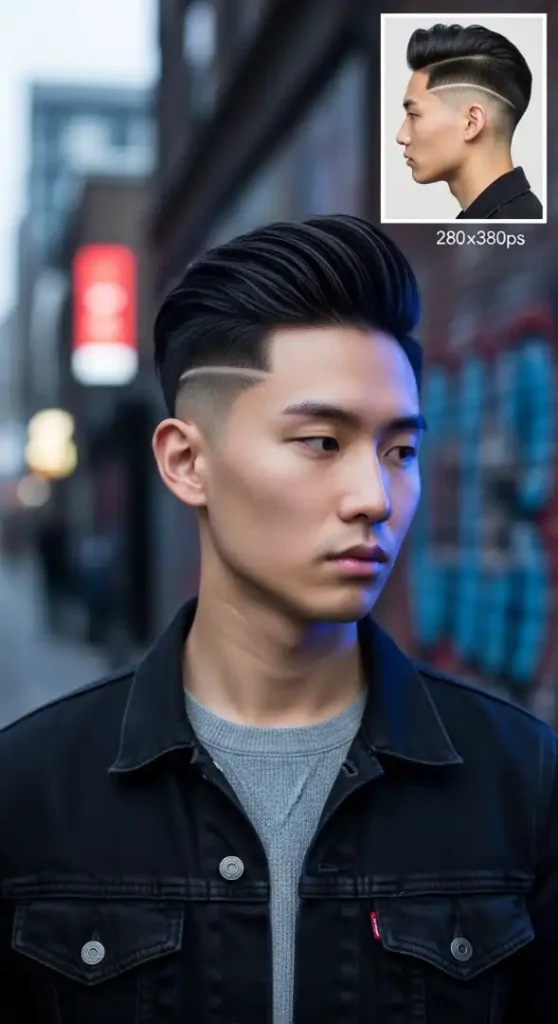
Expert Analysis: Maximum Contrast Statement
The Urban Disconnected Undercut makes zero apologies for its bold aesthetic. This is not a subtle style — the intentional disconnect between long top and shaved sides creates dramatic visual contrast that demands attention. Popular in creative industries, urban fashion scenes, and among younger professionals in non-traditional fields, this cut projects confidence and individual style over corporate conformity.
Face Shape Considerations
This high-contrast style works exceptionally well for oval and square face shapes. Oval faces accommodate the dramatic proportions without distortion — the style adds character without disrupting natural balance. Square faces benefit from the volume and movement in the top section, which draws attention upward away from angular jaw lines while the clean-shaven sides don’t add competing horizontal emphasis. Round faces should approach with caution — the shaved sides remove width that could help elongate, but the voluminous top can compensate if styled with height rather than width. Avoid if you have a very long or oblong face — the high-volume top will exaggerate facial length. Diamond and heart-shaped faces work well as the full top balances narrower lower face proportions.
Specialized Grooming Equipment
Precision tools essential: Wahl Senior clipper with #1 guard for the undercut maintenance, Andis T-Outliner for maintaining the disconnect line with razor precision, a vent brush for styling the heavy top section. Product philosophy centers on control and texture: Hanz de Fuko Quicksand for matte texture with strong hold, Baxter of California Clay Effect for thick hair control, and a medium-hold hairspray for longevity. Thick straight Asian hair specifically benefits from pre-styling with blow dryer and round brush to create initial direction and slight wave that prevents the heavy straight appearance. Home maintenance requires a quality mirror setup to monitor the disconnect line weekly.
Maintenance Reality
Medium to high maintenance depending on how precisely you want to maintain the disconnect. The undercut portion requires attention every 2-3 weeks to keep the sides truly short and the disconnect line sharp. However, the style tolerates some growth better than fades — by week 3, it’s grown but still identifiable as an undercut. Many guys maintain the sides themselves between barber visits using clippers at home, which extends professional cut intervals to 4-5 weeks. Daily styling time: 12-18 minutes. Morning routine: apply product to damp hair, blow-dry the top section back and to the side creating volume and direction, apply second layer of clay or quicksand for texture and hold, use fingers to create intentional piece-y movement. The dramatic disconnect requires regular checking in mirrors to ensure the line remains clean.
Barber Instruction Protocol
“I want a disconnected undercut with 4 to 5 inches of length on top, keeping it uniform throughout without tapering or graduating. The top should start right at the parietal ridge — that’s where the disconnect line will be. Below that line, take the sides completely short using a number 1 guard all over, going right down to the neckline. There should be no blending, no fade, no gradient — I want a sharp horizontal line where the long top meets the short sides. The disconnect line should be crisp and clean, almost like a shelf. For the back, continue the number 1 guard all the way up to where the top section begins. Keep the neckline squared with the same guard length. I’m clean-shaven so all focus is on the hair. Use texturing throughout the top to remove some weight and allow for styling movement.”
The next style introduces color and length variation for those ready to push boundaries further.
Frequently Asked Questions
How do I maintain the disconnect line sharp between barber visits?
You have two options: professional touch-ups every 2-3 weeks, or home maintenance between visits. For home maintenance, you need a quality clipper, a #1 guard, and ideally two mirrors to see all angles. Carefully clipper the sides and back below the disconnect line, working in upward strokes. The key is identifying exactly where that line sits — mark it mentally or with a washable marker the first time so you replicate it consistently. Avoid touching the top section. Many guys find the back most challenging; consider having a partner help or sticking to professional maintenance for full precision.
Can I tie the top section back or does the length need to stay down?
At 4-5 inches, you’re at minimum length for a very small ponytail or top knot. The disconnect actually makes this easier because there’s clear separation between what pulls back (the top) and what stays short (the sides). Use a fabric hair tie and embrace the small bun aesthetic if that appeals. Many guys style it down for professional settings and tie it back casually. Growing the top to 6-8 inches over the next few months provides better bun capability while maintaining the undercut contrast.
What’s the difference between this disconnected undercut and a regular undercut?
A regular undercut blends the transition between long top and short sides using taper or fade techniques — there’s gradual length transition creating smooth flow. A disconnected undercut maintains a sharp visible line with zero blending — the long hair literally sits on top of the short sides like a separate layer. Disconnected versions are bolder and more dramatic; regular undercuts are slightly more conservative and professional. Both are undercuts, but the disconnect is the extreme version making the boldest statement.
Will this style work with my thick wavy hair instead of straight Asian hair?
Yes, and wavy texture actually adds interesting dimension to the top section that straight hair doesn’t provide naturally. Thick wavy hair may require slightly more product to control but will create natural movement and texture. Request the same disconnect but ask your barber to thin the top section slightly more than they would for straight hair to prevent excessive bulk. Use curl-enhancing products to embrace the wave rather than fighting it with straightening. The contrast between textured wavy top and clean shaved sides creates even more visual interest.
10 of 13 — The Mediterranean Taper Flow

Expert Analysis: Romantic Masculine Aesthetic
The Mediterranean Taper Flow embodies European casual elegance — the effortless style of Mediterranean coastal towns where grooming suggests confidence rather than vanity. This style works in warm climates and relaxed professional environments where rigid corporate standards don’t apply. The flowing length and natural wave pattern project artistic sensibility and cultural sophistication.
Face Shape Harmony
This flowing style flatters oval, diamond, and heart-shaped faces particularly well. Oval faces maintain their ideal proportions while the flowing hair adds romantic character. Diamond faces benefit from the width the flowing sides create at the temples, balancing their wider cheekbones and narrower forehead and chin. Heart-shaped faces see their narrower chins balanced by the side volume from the flowing hair. The center part creates symmetry that enhances naturally balanced facial structures. Square faces can pull this off if the waves are emphasized to soften angular jaw lines. Avoid if you have a round face — the side volume will emphasize facial width. Oblong faces should keep length moderate (3.5 inches max) to prevent adding unwanted height that exaggerates facial length.
Curated Grooming Tools
Mediterranean-inspired tools and products: Wide-tooth wooden comb for detangling without disrupting natural wave pattern, boar bristle brush for oil distribution and gentle smoothing, quality trimmer like Philips Series 7000 for beard maintenance. Product philosophy emphasizes natural enhancement: Moroccan Oil Treatment for shine and frizz control, sea salt spray for beachy texture, and lightweight mousse if additional wave definition is needed. The shaped beard requires precision scissors for length control, beard oil with Mediterranean scents (cedarwood, sandalwood, bergamot), and a beard balm for shaping the defined lines while maintaining natural texture.
Time Investment Assessment
Low to medium maintenance with European relaxed approach. Barbershop visits every 5-6 weeks maintain the shape and low taper without fighting the natural flow of the style. The beauty of this cut is its tolerance for growth — slightly longer actually enhances the Mediterranean aesthetic. Daily styling time: 8-12 minutes. Morning routine: apply Moroccan oil to damp hair focusing on mid-lengths and ends, scrunch sea salt spray through for texture, create the center part with fingers rather than a comb for soft natural appearance, then air dry or diffuse on low heat maintaining natural wave pattern. The beard requires 3-4 minutes for oil application and occasional scissor trimming of stray hairs. This style embraces lived-in texture — slight imperfection is part of the appeal.
Barber Direction Manual
“I want a Mediterranean flow cut with about 4 inches of length throughout the top, maintaining wave-friendly uniform length that allows natural movement. Keep the layering subtle — I need enough weight for the waves to flow rather than just sit. Don’t thin it out aggressively. The sides should be a very low taper, starting with a number 3 guard at the temple and only graduating down to a number 2 at the bottom — I want to maintain significant side length that flows with the top, not a stark contrast. Use scissor-over-comb technique for a soft, gradual taper that preserves the flow aesthetic. Keep the neckline natural and slightly longer, tapering with a number 2. For the beard, maintain it at 8-10mm length, shape the cheek line to follow my natural pattern with slight definition, keep the bottom line shaped but not too squared — I want it to look natural and masculine. Connect the beard smoothly into the low taper on the sides.”
The next style introduces structured creativity for the design-minded professional.
Frequently Asked Questions
How do I achieve the beachy Mediterranean wave texture naturally?
Mediterranean waves come from a combination of natural texture, salt-enhanced definition, and air drying. After washing, apply Moroccan oil to seal cuticles and prevent frizz, then spray generously with sea salt spray while hair is still quite damp. Scrunch upward in sections to encourage wave formation, then either air dry completely or diffuse on low heat with minimal air flow. The key is not manipulating your hair excessively as it dries — let the waves form naturally. Avoid brushing once dry. In coastal areas, actual ocean water provides the best results; sea salt sprays replicate this effect inland.
Can I achieve this style if I have straight hair instead of natural waves?
You can approximate it, but it requires more product and technique work. Use a texturizing spray or mousse on damp hair, then braid or twist sections before bed and sleep on them to create artificial wave pattern. Unravel in the morning, apply sea salt spray, and scrunch. Alternatively, use a large-barrel curling iron or wand to create loose waves, then break them up with your fingers and sea salt spray. The result won’t have the organic natural appearance of actual wavy hair but can achieve a similar flowing texture with effort.
How do I prevent this longer hair from looking unkempt rather than intentionally styled?
The distinction lies in the condition and subtle shaping of the hair. Unkempt hair looks dry, frizzy, and shapeless. Intentionally styled Mediterranean flow looks healthy, conditioned, with defined wave patterns and deliberate flow direction. Maintain hair health through weekly conditioning treatments, regular trims to remove split ends, and daily moisturizing products. The center part should be deliberate even if soft. The beard shape provides structure that signals intentional grooming. Clean shirt collars and overall appearance also contribute to the “styled casual” versus “neglected” perception.
What’s the difference between this Mediterranean style and a surfer flow?
Both embrace natural texture and flowing length, but Mediterranean flow maintains more structured shape through low taper sides and shaped beard, presenting a more refined European aesthetic. Surfer flow typically has minimal or no taper, creating more wild untamed appearance, and often appears with minimal facial hair or full natural beard. Mediterranean incorporates more grooming precision while maintaining effortless appearance; surfer style is genuinely low-effort. Think coastal Italian resort versus California beach. Both are valid; choose based on desired formality level.
11 of 13 — The Sharp Corporate Taper
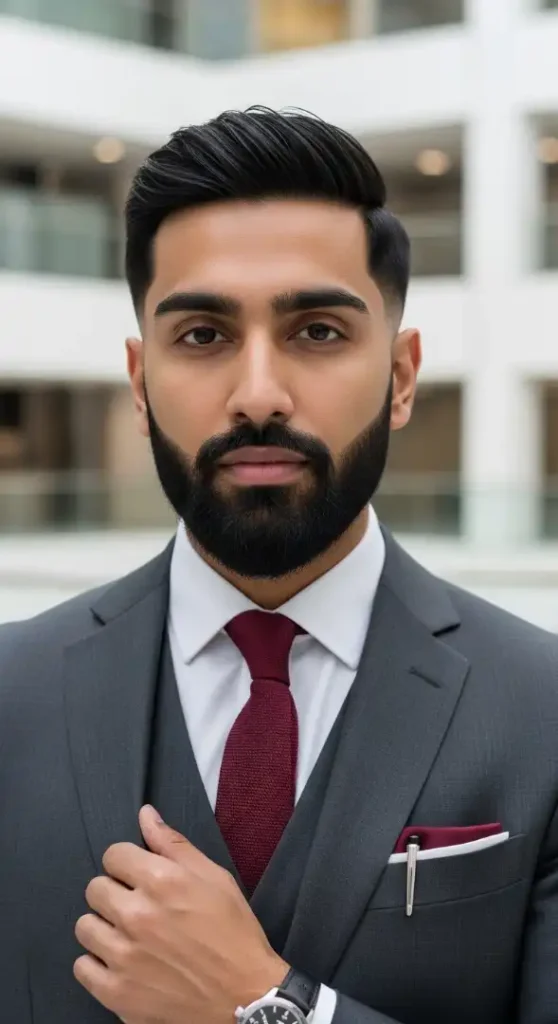
Expert Analysis: Executive Command Presence
The Sharp Corporate Taper represents modern business grooming standards at the highest level. This is the haircut of CEOs, senior executives, and professionals where appearance directly correlates to perceived competence. Every element projects precision, discipline, and attention to detail — qualities that build trust in high-stakes business environments. The mid-taper provides contemporary edge while maintaining conservative professionalism.
Universal Face Shape Appeal
The Sharp Corporate Taper’s balanced proportions work across virtually all face shapes with minimal adjustment. Round faces benefit from the forward-textured top creating vertical interest and the mid-taper removing side width, producing elongating effect. Square faces gain softening from the subtle texture while maintaining the sharp professional lines that complement angular features. Oval faces maintain their ideal proportions — this style enhances without disrupting. Diamond faces see their cheekbone width balanced by the controlled top volume. Oblong faces should request slightly less height (2.5 inches vs 3 inches) to avoid emphasizing length. Heart-shaped faces work excellently — the fuller top balances narrower chin points naturally.
Professional Tool Suite
Executive-grade equipment reflecting the style’s standards: Wahl Magic Clip or Andis Master for precision mid-taper work, T-Outliner for line work and beard definition, Kent fine-tooth comb in genuine horn or acetate, Mason Pearson brush for finishing polish. Product selection emphasizes controlled professional finish: American Crew Forming Cream for texture with medium hold, Baxter of California Clay Pomade as alternative, and light finishing spray for all-day hold without stiffness. The corporate beard requires: Philips Series 9000 trimmer for consistent length control, Beardbrand Utility Oil in professional fragrance profile (avoid overly sweet or cologne-heavy scents), precision scissors for detail work.
Maintenance Schedule
Medium maintenance with executive discipline. Barber appointments every 3 weeks maintain the mid-taper’s sharp lines and top length in optimal range. This cut doesn’t tolerate extended neglect — professional appearance deteriorates noticeably by week 4. Daily styling commitment: 10-14 minutes. Morning routine: apply forming cream to towel-dried hair, use fingers to create subtle forward texture directing hair toward the hairline, shape with slight lift at the front without creating height, blow-dry on medium heat with fingers continuing to direct texture, finish with brush for surface smoothing and shine. The corporate beard requires 4-5 minutes: apply oil, comb thoroughly, trim any stray hairs disrupting clean lines, verify cheek and necklines remain sharp.
Barber Communication Protocol
“I want a sharp corporate taper with 3 inches of length on top, keeping it uniform throughout with subtle layering for texture — not blunt but not overly textured. I want to be able to style it with forward direction and slight texture, no strong side part. The sides should be a mid-taper starting with a number 2.5 guard at the temple, blending down to number 1.5 at the ear, then number 1 at the bottom. The taper line should be clean and visible but not stark — professional precision, not street-style fade. Use scissor-over-comb blending for smooth graduation. Keep the neckline tapered and natural, not blocked. For the beard, maintain 6mm length throughout, create sharp cheek lines that are natural but defined, keep the neckline one finger-width above the Adam’s apple with clean horizontal line. Blend the sideburns seamlessly into the taper. Overall aesthetic: modern executive, not trendy street style.”
The next style introduces artistic expression for creative professionals who’ve earned style autonomy.
Frequently Asked Questions
How do I balance professional appearance with subtle personal style?
The key is incorporating contemporary elements within conservative framework. This Sharp Corporate Taper achieves balance through the subtle texture rather than slick uniformity — it’s modern but not trendy. Maintain clean sharp lines (taper precision, beard definition) which signal discipline and professionalism, while the textured top adds contemporary personality. Avoid extremes: no bright colors, no extreme length contrasts, no trendy patterns or designs. Professional style is about refinement and quality, not elimination of personality. Well-fitted suits and quality grooming products also communicate you understand professional standards while maintaining individual style.
What product creates texture without looking messy or undone?
Use cream or clay products with medium hold rather than strong-hold wax or gel. Apply to damp (not wet, not dry) hair — 60-70% dry is ideal. Emulsify thoroughly between palms before application. Use fingers to create directional texture rather than combing smooth. The texture should look intentional and controlled — individual pieces visible but overall shape maintained. Avoid excessive product; start with dime-sized amount and add more only if needed. The goal is enhanced natural texture, not visibly styled hair. Matte or natural finish products (never high-shine) maintain professional appearance while showing texture.
How formal is too formal for a corporate haircut in modern business?
Modern corporate environments, even conservative industries like finance and law, have shifted away from the ultra-formal slicked-back styles of previous generations. The Sharp Corporate Taper represents current standards: clean, professional, attention to detail, but with subtle contemporary texture rather than rigid formality. Overly formal styles (perfect slick-backs, zero texture, excessive shine) can actually signal you’re out of touch with current business culture. Match your industry and company culture: tech and creative lean more casual, finance and law more structured, but all appreciate clean precision with subtle modern elements.
Should beard length match hair length proportionally?
Not necessarily — beard and hair serve different aesthetic purposes. The 6mm corporate beard in this style provides masculine definition and maturity without overwhelming the haircut. Longer beards can work with this length hair if trimmed with precision and maintained with equal care. The key is ensuring equal attention to detail — a sharp haircut with unkempt beard signals inconsistency. Both should reflect the same standard of grooming. Generally, shorter, well-defined beards complement corporate hair better than long full beards which can clash with the controlled aesthetic.
12 of 13 — The Creative Director’s Blend
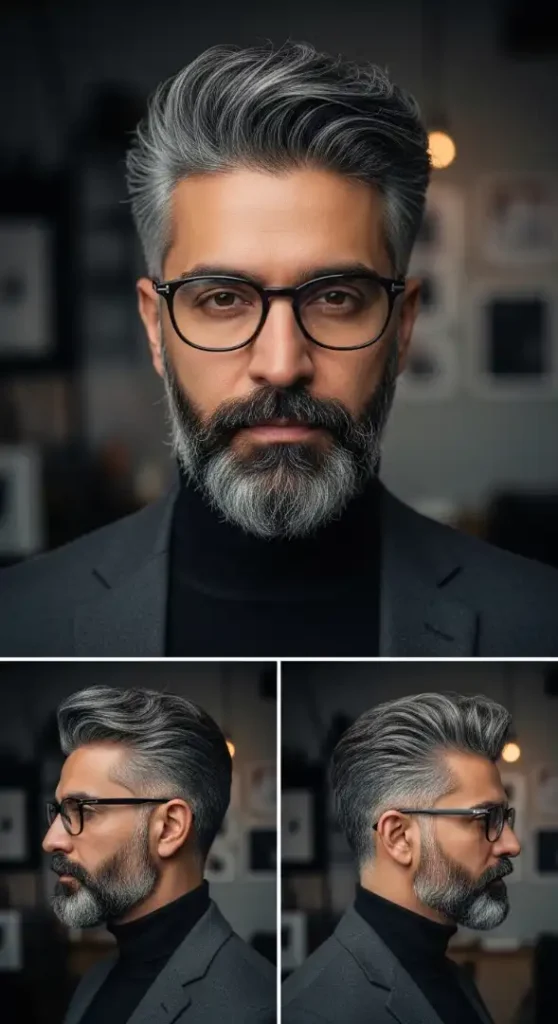
Expert Analysis: Earned Distinction
The Creative Director’s Blend represents the sweet spot where experience meets creative freedom. Salt-and-pepper hair isn’t hidden or dyed — it’s celebrated as a mark of earned authority and confidence. This style works in creative industries, consulting, architecture, and any field where maturity and creativity are both valued. The artistic beard and natural texture signal someone who’s senior enough to make their own grooming decisions.
Face Shape Wisdom
Salt-and-pepper styling adds perceived maturity and authority that works across face shapes, though strategic cutting remains important. Oval faces maintain their balanced proportions while the gray dimension adds distinguished character. Square faces benefit from the wavy texture softening angular lines while the gray coloring adds gravitas that makes strong jaws appear powerful rather than harsh. Diamond faces see their wider cheekbones balanced by the fuller wavy top — the gray draws the eye upward. Round faces gain elongation from the pushed-back styling creating vertical interest. Oblong faces should keep length moderate and emphasize side volume to add width. Heart-shaped faces benefit from the fuller beard balancing narrower chins.
Distinguished Grooming Arsenal
Sophisticated tools matching the style’s maturity: Wahl Legend clipper for low fade precision, Brio Beardscape for beard artistic shaping, Mason Pearson brush for daily grooming and natural oil distribution. Product philosophy emphasizes texture and health for aging hair: O’Douds Matte Paste for natural hold, Uppercut Deluxe Matt Clay alternative, and leave-in conditioner to combat dryness that comes with graying hair. Purple/silver shampoo weekly prevents yellowing of gray hair. The artistic beard requires: quality beard oil with nourishing ingredients (argan, jojoba, vitamin E), beard butter for shaping varying lengths, and precision scissors for maintaining intentional length variation.
Realistic Maintenance
Low to medium maintenance with creative flexibility. Barber visits every 4-5 weeks maintain overall shape, though this style tolerates growth well — slight overgrowth actually enhances the creative aesthetic. Daily styling time: 10-15 minutes. Morning routine: work matte paste through damp hair using fingers to create natural pushed-back direction, embrace the natural wave pattern without forcing specific shapes, allow some gray pieces to catch light naturally. The artistic beard requires 5-7 minutes: apply beard oil and butter, comb through, verify intentional length variations remain distinct (longer at chin, shorter at cheeks, medium sides), trim strays disrupting the artistic intention. This style rewards confident lack of precision — slight imperfection signals creative authority.
Barber Direction Blueprint
“I want a distinguished creative cut that works with my salt-and-pepper coloring. Keep the top at about 4.5 inches with layering that enhances my natural wave pattern — remove weight but maintain volume. No strong part; I push it back naturally with slight side movement. The sides should be a low fade starting with a number 3 guard at the temple, gradual blending down to number 2 at the ear, number 1 at the neckline. Keep the fade subtle and creative, not corporate sharp. I want enough side length to flow with the top. Natural rounded neckline tapering with number 1.5. For the beard, I want an artistic approach with intentional length variation: keep it longer at the chin point (12-15mm), shorter on the cheeks (8mm), medium on the sides (10mm). The gray patches should be visible and celebrated. Clean but not overly defined lines — creative professional, not corporate executive.”
The final style pushes medium length to maximum impact with bold contemporary execution.
Frequently Asked Questions
Should I embrace or hide my gray hair?
Embrace it confidently — gray hair signals experience, maturity, and in creative fields, the authority to make unconventional decisions. The key is maintenance and styling to ensure gray hair looks distinguished rather than unkempt. Use quality products, regular conditioning, purple shampoo to prevent yellowing, and intentional styling. Gray hair styled with care reads as confident leadership; gray hair neglected reads as giving up. The Creative Director’s Blend demonstrates how gray becomes an asset when properly maintained. Dyeing gray hair in creative industries can actually signal insecurity about aging.
How do I prevent salt-and-pepper hair from looking dull or yellowish?
Gray hair lacks melanin, making it porous and susceptible to environmental discoloration. Combat yellowing with purple or silver shampoo once or twice weekly — the purple pigments neutralize yellow tones. Don’t overuse or hair can take on purple tint; once weekly is sufficient for most guys. Use moisturizing conditioner every wash since gray hair tends toward dryness. Avoid chlorine (swimming pools) and heavy smoke exposure which accelerate yellowing. A weekly clarifying shampoo removes buildup that dulls gray hair. Quality leave-in products with UV protection prevent environmental damage.
Can I pull off this creative style in a conservative industry?
It depends on your seniority and role. Senior professionals with established credibility and client relationships can adopt creative styling that junior staff cannot — you’ve earned flexibility. Client-facing roles in conservative industries require more careful balance: keep the cut’s overall proportion conservative (moderate length, clean lines) while incorporating subtle creative elements (textured styling, artistic beard shaping). The salt-and-pepper element actually helps in conservative industries because it signals maturity and experience rather than rebellion. Internal roles have more flexibility than external-facing positions.
What’s the best way to transition from corporate conservative to creative distinguished?
Gradual evolution prevents shocking colleagues and clients. Start with your next haircut: request slightly more length than usual (3.5-4 inches vs 2.5-3 inches) and more texture. Let your beard grow slightly longer. On subsequent visits, increase length incrementally, add more artistic beard shaping, introduce more relaxed styling. The transition happens over 3-4 cuts spanning 12-16 weeks. This approach signals intentional evolution of personal style rather than midlife crisis impulse decision. Your confidence in the new style matters more than the style itself.
13 of 13 — The Architect’s Medium Crown
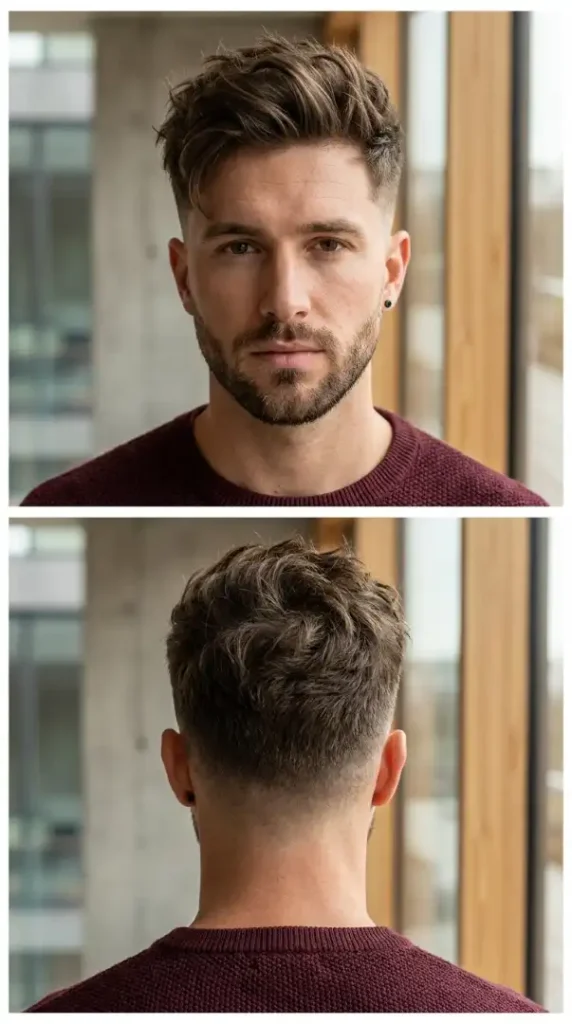
Expert Analysis: Structural Volume Mastery
The Architect’s Medium Crown represents the pinnacle of medium-length styling — maximum impact through intentional structure. This cut bridges the gap between conservative short cuts and flowing long styles by creating architectural volume at the crown while maintaining clean contemporary sides. Perfect for design professionals, architects, creative consultants, and modern professionals in progressive industries where individual style signals creative thinking.
Strategic Face Shape Application
This voluminous crown style excels for round, square, and diamond face shapes. Round faces gain dramatic vertical elongation from the 5-inch crown height, drawing the eye upward and creating the illusion of length that balances facial width. The mid-skin fade removes side width that would emphasize roundness. Square faces benefit from the textured, irregular crown shape softening angular jaw lines through visual contrast — organic messy texture opposes geometric facial structure. Diamond faces see their wider cheekbones balanced by the substantial crown volume matching that width at the top. Oval faces maintain balance — the style adds contemporary character without disrupting natural proportions. Avoid if you have oblong or rectangular faces — the crown height will exaggerate facial length creating disproportionate appearance.
Advanced Grooming Technology
Contemporary professional tools: Wahl Magic Clip for the mid-skin fade precision, Andis ProFoil Shaver for skin-level finish at the fade bottom, ceramic-coated vented brush for heat-styling without damage, Dyson Supersonic or equivalent professional blow dryer. Product strategy emphasizes texture and hold: Hanz de Fuko Quicksand for maximum texture with matte finish, Baxter of California Hard Cream for additional hold on thick hair, pre-styling with sea salt spray for foundation texture. The designer stubble requires daily maintenance: Philips OneBlade or similar precision trimmer maintaining exact 3-4mm length, facial moisturizer to prevent dryness and irritation, weekly exfoliation to prevent ingrown hairs.
Honest Maintenance Assessment
High maintenance — be completely realistic about time commitment. Barber visits every 2.5-3 weeks to maintain the mid-skin fade’s sharp contrast and prevent the crown from exceeding optimal length. The dramatic difference between long top and skin sides means growth shows quickly. Daily styling time: 15-20 minutes mandatory. Morning routine: apply sea salt spray to damp hair for foundation texture, blow-dry with fingers pushing upward and to the side creating lift and direction, work Quicksand through cooled hair using finger-twisting motion to create piece-y separation, adjust individual sections for architectural shape. Some sections forward, some up, some to the side — controlled chaos. The stubble requires 3-4 minutes daily trimming to maintain exact length and clean neckline.
Precise Barber Instructions
“I want an architectural crown cut with about 5 inches of length throughout the entire top section from hairline to crown. Keep the density — don’t thin it out too much or I’ll lose the volume I need for structure. Use point-cutting throughout for texture and piece-y separation, but maintain enough weight for the hair to hold lifted shapes. No defined part; I’ll be styling it with intentional messy direction. The sides need a mid-skin fade starting completely bald at the temple area, blending up into a number 2 guard at the parietal ridge, then scissor-blending into the top section. I want sharp visible contrast between the long crown and the short sides — that’s the architectural element. Clean sharp fade line work, not soft graduation. Taper the neckline down to skin with clean rounded shape. For the beard, keep it as designer stubble at 3-4mm — clean cheek line following natural growth, neckline just above the Adam’s apple. Overall: modern, architectural, maximum contrast.”
This final style represents bold confidence — medium length pushed to its architectural limits with contemporary execution that commands attention in any room.
Frequently Asked Questions
How do I create the “architectural” structure rather than just messy volume?
Architecture requires intentional direction and shape, not random chaos. After blow-drying for initial volume, work product through in sections. Use your fingers to twist small amounts of hair creating defined pieces, then direct those pieces in varying angles — some forward toward the hairline, some upward at the crown, some swept to the side. The key is visible individual textured sections with deliberate direction rather than uniform styling. Think sculptural — you’re creating a three-dimensional shape with intention. Take a photo from above to see the crown shape and adjust sections that don’t contribute to the overall architectural form.
Can this style work in corporate conservative environments?
This depends heavily on your industry and seniority. In progressive tech companies, startups, creative agencies, and design firms, this style fits perfectly. In traditional corporate environments like finance, law, or accounting, this style would likely be considered too bold unless you’re senior enough to have earned styling flexibility. The high contrast between long crown and skin fade reads as contemporary and fashion-forward rather than conservative. Consider your company’s unwritten dress code and whether you’ve observed anyone in senior positions with similar bold styling before committing.
How long does the blow-drying and styling actually take once you master the technique?
With practice, the morning routine compresses from 20 minutes initially to about 12-15 minutes once you’ve developed muscle memory for the movements. The blow-drying phase is 5-7 minutes creating the lift and basic direction. Product application and architectural shaping is 5-7 minutes working through sections. Final adjustments are 2-3 minutes looking from different angles and refining shape. This assumes you’re starting with towel-dried (not soaking wet) hair. Total time commitment rivals the slick pompadour and textured quiff as one of the higher-maintenance styles in this collection.
What happens during the grow-out phase if I want to transition to longer length?
The architectural crown is actually an ideal foundation for growing to long flow styles or man bun territory. As the crown grows from 5 inches to 7-8 inches, maintain the same texturing technique but add length incrementally. You’ll pass through a slightly awkward phase around 6-6.5 inches where the hair wants to fall rather than hold lifted shapes — push through this phase with stronger-hold products. Once you reach 7+ inches, you enter long-flow territory where weight helps the hair flow naturally. Continue the mid-skin fade during growth to maintain shape, or let the sides grow simultaneously if transitioning to all-over long style.